
Lieferung heute & morgen

Qualitätsgarantie

Willkommens-Angebote freischalten: KOSTENLOSE Lieferung | Bis zu 80 % RABATT | Kostenlose 30-Tage-JoyPlus-Testphase
App herunterladen
A baby's skin is especially delicate and more permeable than an adult's. Therefore, selecting the right care products, particularly for the sensitive diaper area, is a crucial decision for many parents. The market for sensitive baby wipes is vast, and the differences often lie in the details. This article serves as a guide to help you make an informed decision based on objective product features. We will examine the ingredients, material properties, and certifications relevant for caring for sensitive baby skin.
To find the right product for your child's needs, a few criteria can help guide your selection. A conscious choice is based less on brand promises and more on verifiable facts.
The ingredients list provides the best insight into a product's compatibility. For wipes for sensitive skin, minimalist formulas are often an excellent choice.
Manufacturer claims about skin compatibility offer additional guidance. Dermatological tests or seals can indicate suitability for sensitive skin.
The texture of the wipe itself plays a role in its cleaning effectiveness and how it feels on the skin. Thicker, softer materials can absorb dirt more effectively and require less wiping, which reduces mechanical irritation. Materials based on cellulose or plant fibres are also often biodegradable.
Here is a selection of products that are well-suited for caring for sensitive skin due to their specific properties. The descriptions are based on information provided by the manufacturer.
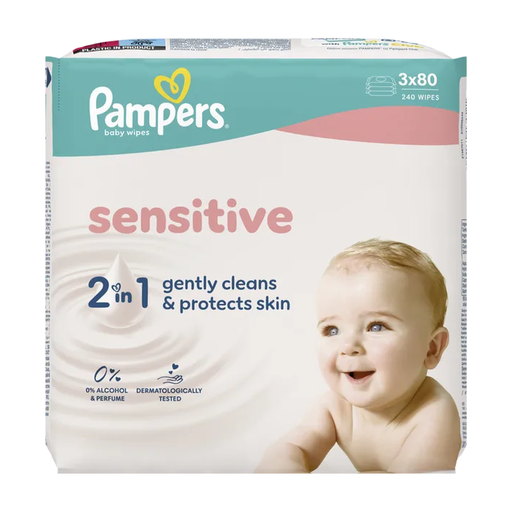
Why it stands out: This wipe's special formula is designed to maintain the skin's natural pH balance more effectively than cleaning with cotton and water. Its skin compatibility has been confirmed by dermatologists from the Skin Health Alliance.
Benefits:
Best for: Parents of newborns and babies with very sensitive skin who are looking for a dermatologically confirmed option to support the skin's natural protection.
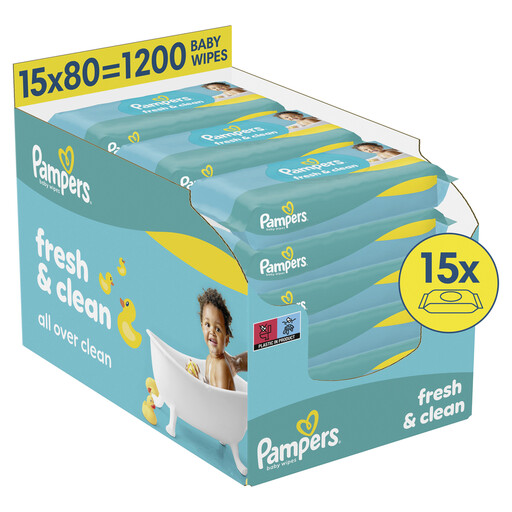
Why it stands out: These wipes offer a versatile cleaning solution with a subtle scent. According to the manufacturer, they are suitable not only for the diaper area but also for hands and face.
Benefits:
Best for: Parents looking for a versatile solution for cleaning the diaper area, hands, and face who prefer a subtle scent.

Why it stands out: These wipes are distinguished by their material thickness and high moisture content. The manufacturer states they are three times thicker than many standard wipes and are made from 100% biodegradable, plastic-free cellulose. The OEKO-TEX certification (Number 25.HUS.21538 Hohenstein) confirms they are free from harmful substances.
Benefits:
Best for: Eco-conscious parents and those who prefer exceptionally thick and moist wipes for an efficient clean with fewer wiping motions.
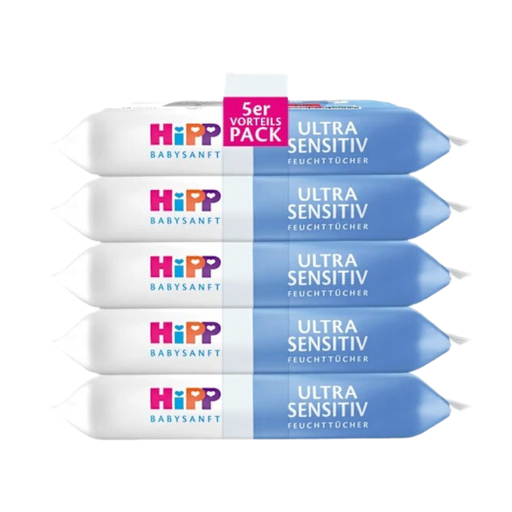
Why it stands out: With a formula of 99% water and a very short ingredients list, these wipes are specifically designed for the needs of highly sensitive and allergy-prone skin. The manufacturer states they are also suitable for skin prone to eczema.
Benefits:
Best for: Parents of babies with extremely sensitive skin or skin prone to eczema who want the purest, most water-based option possible.
Every baby's skin has individual needs, and sometimes the situation calls for a different product. If you'd like to explore a wider range of cleaning wipes for various purposes, you can find more products in our All-Purpose Cleaning Wipes category.
For wipes for newborns, an exceptionally gentle formulation is crucial. Look for a high water content, no perfume, dyes, or alcohol, and a pH-balanced value. Products with the shortest and most transparent ingredients list are often a great choice.
Water-based wipes are often an excellent option for sensitive skin. Since water is the main component, the potential for irritation from additional chemical ingredients is minimized. They cleanse gently while providing moisture without stressing the skin.
Generally, yes. Sensitive baby wipes are usually formulated to be mild enough for the entire body. Many manufacturers explicitly state their suitability for the face and hands. However, it is always wise to check the product packaging for specific usage instructions, especially for very sensitive or allergy-prone skin.