
Lieferung heute & morgen

Qualitätsgarantie

Willkommens-Angebote freischalten: KOSTENLOSE Lieferung | Bis zu 80 % RABATT | Kostenlose 30-Tage-JoyPlus-Testphase
App herunterladen
Choosing the right wipes for a baby's delicate skin can be a challenge for parents. The market is vast, and the differences are often in the details. This guide will help you understand the key criteria for making an informed decision that meets your child's needs and your standards for quality and value. We will introduce a selection of products and provide practical tips for your purchase.
To make the right choice, it's helpful to be familiar with a few basic product features. The following points offer a guide for your purchasing decision.
The skin of newborns and infants is especially sensitive. Therefore, the composition of the cleansing lotion is a crucial factor. Wipes without perfume and alcohol are often the preferred choice, as these additives can irritate and dry out the skin. Products labelled as sensitive wipes typically avoid known allergens and fragrances. An exceptionally gentle option are wipes with 99% water, which reduce cleaning to the essentials and are ideal as baby wipes for newborns. Look for dermatologically confirmed skin compatibility to minimise the risk of skin irritation.
The wipe material affects both the feel of cleaning and the environmental footprint. Many wipes are made of a non-woven fabric, the composition of which can vary. Biodegradable wipes, made from plant-based fibres like cellulose and which are plastic-free, are becoming increasingly important. These products help reduce plastic waste. In addition to biodegradability, the thickness and tear-resistance of the wipe are also relevant. A thicker, more durable wipe can make cleaning more efficient, as fewer wipes are often needed per nappy change.
Baby wipes are a staple consumable in daily life with a baby. Buying a bulk pack of wipes can be both practical and economical. Value packs with 10, 15, or more individual packs reduce the frequency of shopping trips and often lower the price per wipe. This ensures you always have a sufficient supply on hand, whether at home or on the go.
Based on the criteria mentioned above, we have compiled a selection of products that cater to different needs.
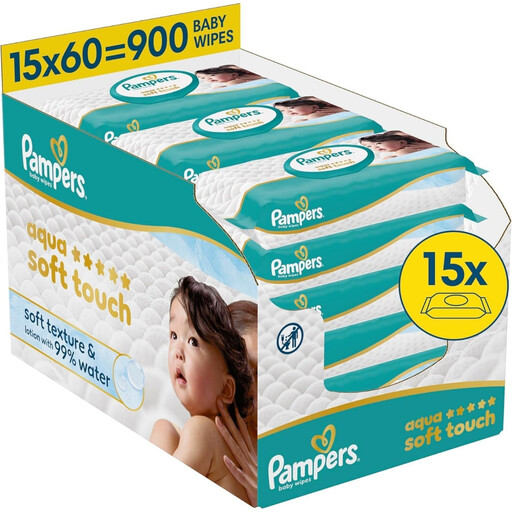
What Makes This Product Stand Out These Pampers wipes are formulated with a lotion that consists of 99% water. According to the manufacturer, the special formula helps restore the skin's natural pH balance and protect it from redness. The wipe itself is plastic-free and features a soft honeycomb texture for gentle cleaning.
Pros:
Best For: Parents looking for an exceptionally water-based and gentle wipe for the sensitive skin of newborns and infants.
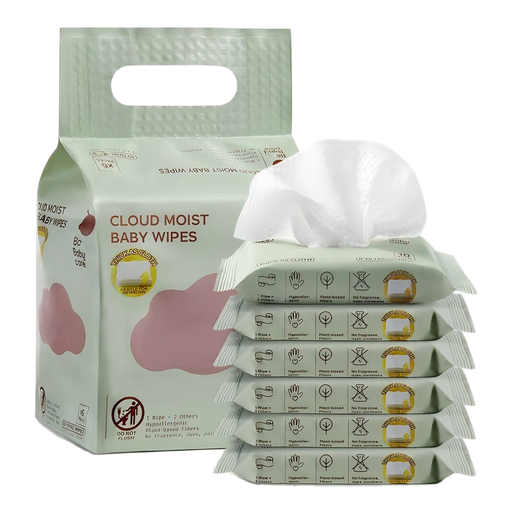
What Makes This Product Stand Out The Bc Babycare wet wipes are distinguished by their material and texture. According to the manufacturer, they are made from 100% biodegradable, plastic-free plant fibres. The wipes are described as being extra thick and moist, which allows for a thorough clean with fewer wipes. The product is certified according to OEKO-TEX (Number 25.HUS.21538 Hohenstein).
Pros:
Best For: Eco-conscious parents who value sustainable, thick, and extra-moist wipes to reduce consumption.
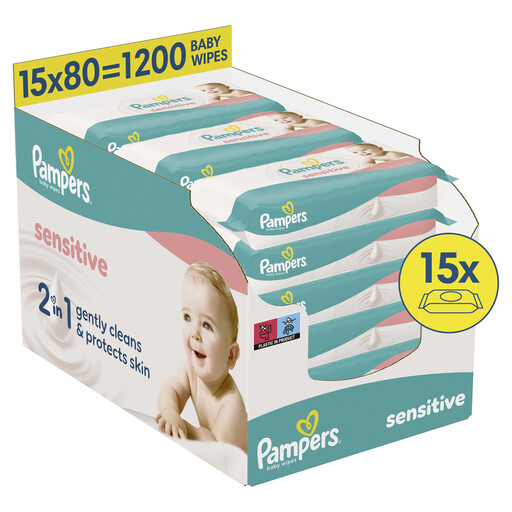
What Makes This Product Stand Out This bulk pack of wipes with 1200 count is designed for long-term supply. The Pampers Sensitive wipes are specially designed for sensitive skin and, according to the manufacturer, also contain 0% alcohol and perfume. The formula is intended to help protect the skin's natural pH balance. They are versatile and also suitable for hands and face.
Pros:
Best For: Value-conscious families who need a large supply of proven, sensitive wipes for daily and versatile use.
After stocking up on baby essentials, many parents are also looking for suitable gifts for older siblings or the next children's birthday party. If you need inspiration for creative toys, take a look at our selection of Toys for 5-Year-Old Boys.
For baby wipes for newborns, a minimalist formula is key. Ideally, the wipes should have a very high water content (e.g., 99%) and be free of alcohol, perfume, and dyes. A dermatological confirmation of skin compatibility provides additional reassurance for the particularly sensitive skin in the first few months of life.
No, not all baby wipes are biodegradable. Many conventional wipes contain plastic fibres (like polyester) that do not decompose. If environmental aspects are important to you, look specifically for products labelled as biodegradable wipes or "plastic-free." These are typically made from materials like cellulose or viscose. Always dispose of wipes, even biodegradable ones, in the general waste and never in the toilet.
Unopened packs of baby wipes generally have a long shelf life, often up to 36 months from the manufacturing date. You can find the exact expiration date on the packaging. After opening a pack, it is recommended to use it within about 4 to 6 weeks to prevent the wipes from drying out. Store the packs in a cool, dry place and seal them carefully after each use.