
Lieferung heute & morgen

Qualitätsgarantie

Willkommens-Angebote freischalten: KOSTENLOSE Lieferung | Bis zu 80 % RABATT | Kostenlose 30-Tage-JoyPlus-Testphase
App herunterladen
Choosing the right baby wipes can be a challenge for parents. The market is vast, and marketing claims are often confusing. Many products seem identical at first glance, but the differences are in the details—details that can be crucial for your child's sensitive skin. As a Joybuy Product Recommendation Officer, I'm here to help you separate fact from marketing hype. In this guide, we'll highlight the most common pitfalls and show you what to look for when making your choice.
Before you decide on a product, it's helpful to know the most common marketing traps that can lead to unsuitable purchases.
To avoid a bad purchase, you should base your decision on objective product features. The following three parameters are particularly important.
An infant's skin barrier is not yet fully developed, making a minimalist formula essential.
The wipe material affects both the cleansing experience and the environmental impact.
Practical aspects are also relevant for daily use.
Instead of making a one-size-fits-all recommendation, we have identified products that suit the different needs of parents.
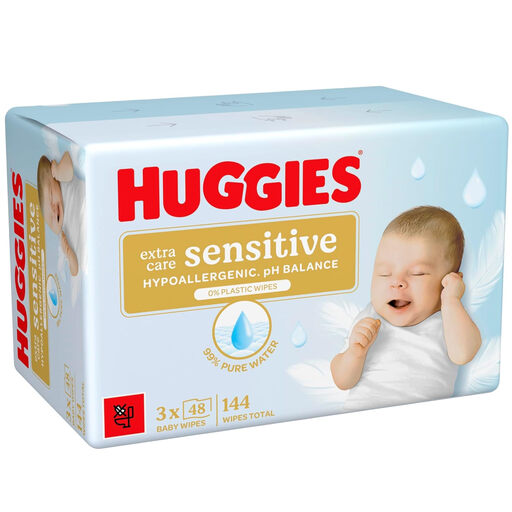
Why This Fits Their Persona: Ideal for parents seeking maximum purity and minimal ingredients for their newborn's skin right from day one. The formula is stripped back to the essentials.
This product bypasses the "99% water" illusion with a transparent, minimalist formula and avoids the "hidden plastic" trap by being explicitly labelled "plastic-free".
According to the manufacturer, it consists of 99% pure water and is free from fragrance, alcohol, and Phenoxyethanol. The wipe material is based on skin-friendly natural fibres.
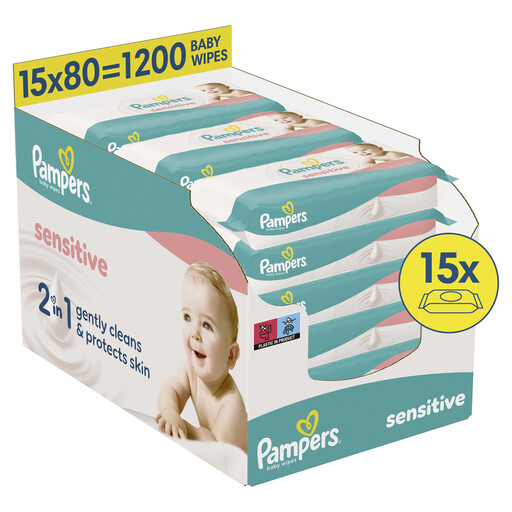
Why This Fits Their Persona: Perfect for families with high usage who are looking for a reliable, skin-friendly solution in an economical bulk pack of wipes.
It goes beyond a simple "Sensitive" label. According to Procter & Gamble, the formula helps restore the skin's natural pH and is endorsed by dermatologists from the Skin Health Alliance.
The formula is fragrance and alcohol-free. The bulk pack of 1200 wipes offers excellent value for money and reduces the frequency of shopping trips.
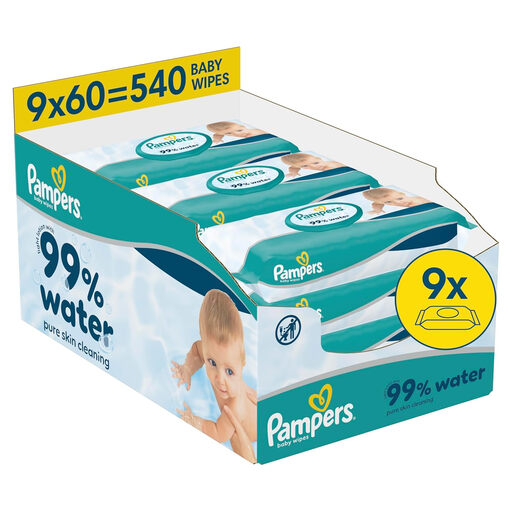
Why This Fits Their Persona: A balanced choice for parents who want a water-based, gentle clean while also valuing sustainability with a plastic-free wipe.
This product is transparent about its composition (99% water) and its material (0% plastic in the wipe). It combines two of the most important purchasing criteria in one product.
The combination of a lotion with 99% water and a plastic-free wipe offers a gentle clean and an eco-conscious material choice. Free from alcohol and fragrance.
We have compiled a complete, real-time list of products that fully satisfy these strict selection criteria and UK safety regulations.
Proper storage is simple but important. Always close the package securely immediately after taking out a wipe. A firm plastic lid is more effective than a simple adhesive strip. Store the pack in a cool, dry place away from direct sunlight. To slow down the drying of the top wipes, you can store the pack upside down.
No, baby wipes should never be flushed down the toilet, even if the packaging doesn't say otherwise. Unlike toilet paper, they do not break down in water. They can cause severe blockages in sewer pipes and at wastewater treatment plants. Always dispose of used wipes in the household waste.
The main difference lies in the product's focus. Sensitive wipes are generally formulated for sensitive skin, which often means they are free from fragrance and alcohol. However, the exact composition can vary widely. 99% water wipes focus on a minimalist, water-based lotion. The features often overlap, but a "99% water" wipe is not automatically suitable for all sensitive skin, and a "sensitive" wipe does not necessarily have a high water content. It is always advisable to check the full list of ingredients.