
Lieferung heute & morgen

Qualitätsgarantie

Willkommens-Angebote freischalten: KOSTENLOSE Lieferung | Bis zu 80 % RABATT | Kostenlose 30-Tage-JoyPlus-Testphase
App herunterladen
The selection of baby wipes is vast, and the packaging often makes big promises. However, not every product delivers. As a parent, you want a safe, skin-friendly, and convenient solution for daily care. Yet, many buyers fall into common traps that lead to skin irritation or unnecessary expenses. This guide will show you what to look for to make the right choice for your child.
Before we dive into key product features, let's highlight the most common marketing claims and product shortcomings that often mislead parents.
To make an informed decision, you should focus on a few crucial product features. These objective parameters will help you distinguish true quality from mere marketing.
The skin of newborns and infants is particularly sensitive. Therefore, the ideal formula is as minimalist as possible.
The wipe's material affects not only how it feels on the skin but also its cleaning efficiency and environmental impact.
Instead of making a one-size-fits-all recommendation, we have identified products tailored to the specific needs of parents.
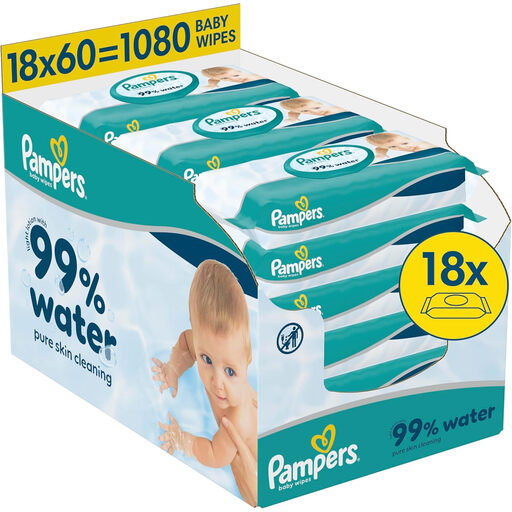
Why This Fits Their Persona: Ideal for the highly sensitive skin of newborns. The minimalist formula focuses on the essentials: a gentle clean using almost nothing but water.
Bypasses the 'Sensitive' trap with a transparent, ultra-minimalist ingredients list. The absence of alcohol and perfume isn't a marketing gimmick here; it's the core of the product.
According to the manufacturer, it features a light lotion with 99% water and the wipe itself is plastic-free. The formula is dermatologically tested and suitable for use from day one.
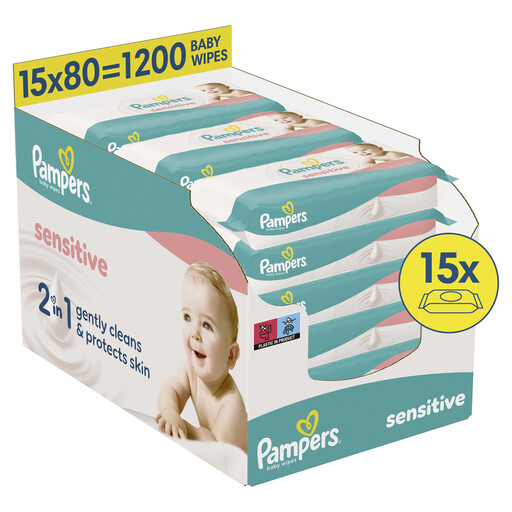
Why This Fits Their Persona: For families with high usage who want to cut costs without compromising on skin-friendliness. The bulk pack ensures a long-lasting supply.
Directly counters the 'small pack' trap. Buying 1200 wipes at once significantly reduces the cost-per-wipe and the hassle of frequent shopping.
Combines the economic benefit of a bulk pack with a trusted formula. According to the manufacturer, it is free of perfume and alcohol and helps restore the skin's natural pH balance.
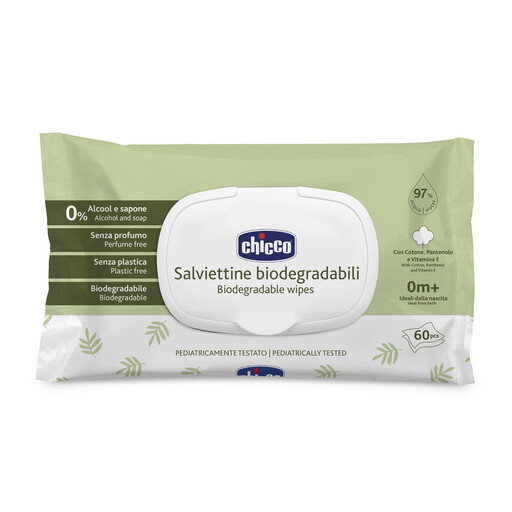
Why This Fits Their Persona: For parents who prioritise sustainability and want to reduce their ecological footprint without giving up a gentle care formula.
Addresses the 'Biodegradable' trap with clear material specifications. The product uses degradable fibres, though disposal in household rubbish is still recommended.
According to the manufacturer, the wipe material is made from 100% biodegradable natural fibres. The formula is soap- and alcohol-free and enriched with panthenol and vitamin E.
We have compiled a complete, up-to-date list of products that fully meet these strict selection criteria and all relevant safety standards.
1. Can baby wipes be flushed down the toilet? As a rule, no. Even many biodegradable wipes are not suitable for flushing, as they decompose too slowly and can clog plumbing and sewer systems. Always dispose of wipes in the household rubbish unless the packaging explicitly states they are "flushable".
2. How long do wipes last after being opened? Most manufacturers recommend using an opened pack within one to three months. Be sure to reseal the package tightly after each use to prevent the wipes from drying out and to inhibit potential bacterial growth. A good adhesive seal or a plastic lid is a key feature here.
3. Are 99% water wipes really the better choice for newborns? For the extremely sensitive skin of a newborn, a minimalist formula is often the most gentle and best-tolerated option. Wipes with 99% water omit many additional ingredients, thereby reducing the risk of irritation. They offer a very gentle clean that is close to using a washcloth dipped in water, but with the convenience needed for travel and quick diaper changes.