
Lieferung heute & morgen

Qualitätsgarantie

Willkommens-Angebote freischalten: KOSTENLOSE Lieferung | Bis zu 80 % RABATT | Kostenlose 30-Tage-JoyPlus-Testphase
App herunterladen
As a Joybuy Product Recommendation Officer, I see the sheer number of options available for baby products every day. The selection is particularly vast for baby wipes, and marketing promises can often be difficult to decipher. Many parents buy products that later prove to be unsuitable for their child's sensitive skin or impractical for daily use.
This guide is designed to help you navigate the common pitfalls and make an informed decision based on objective criteria—for gentle care without compromise.
Before we look at the key features, let's shed light on two common marketing traps that often lead to disappointment:
To avoid buyer's remorse, focus on the following three objective parameters. They will provide a reliable basis for your decision.
A baby's skin is significantly thinner and more permeable than an adult's. Therefore, the ingredients should be as minimalist and mild as possible.
The quality of the wipe material is crucial for cleaning performance and how it feels on the skin.
Every baby's skin is different. The right choice depends heavily on the individual skin type.
Instead of making a one-size-fits-all recommendation, we have matched products based on different requirements and lifestyles.
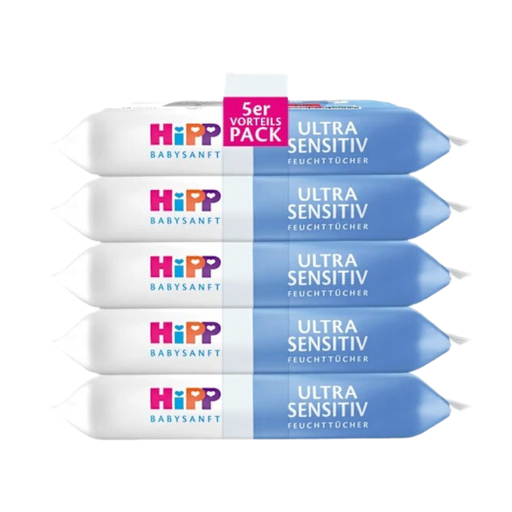
Why This Fits Their Persona: Ideal for parents seeking maximum skin compatibility from the very beginning. The minimalist formula is specially tailored to the needs of newborns and allergy-prone skin.
This product bypasses the "Natural & Gentle" trap with a transparent, extremely short ingredients list. It contains 99% water and completely avoids perfume and alcohol.
According to the manufacturer, it is suitable for eczema-prone skin. The formula is reduced to the essentials to minimise the risk of irritation.
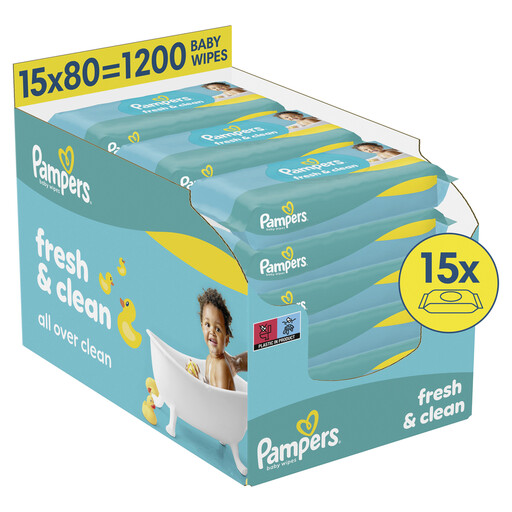
Why This Fits Their Persona: Perfect for families with high consumption who want to save costs and shopping trips by buying in bulk, without sacrificing brand quality.
This bulk pack avoids the wipe-count fallacy because Pampers wipes offer reliable thickness and tear-resistance. You need fewer wipes per cleanup, making the pack even more cost-effective.
Very large volume (1200 wipes) for a long-lasting supply. The formula is dermatologically tested, alcohol-free, and also suitable for hands and face.
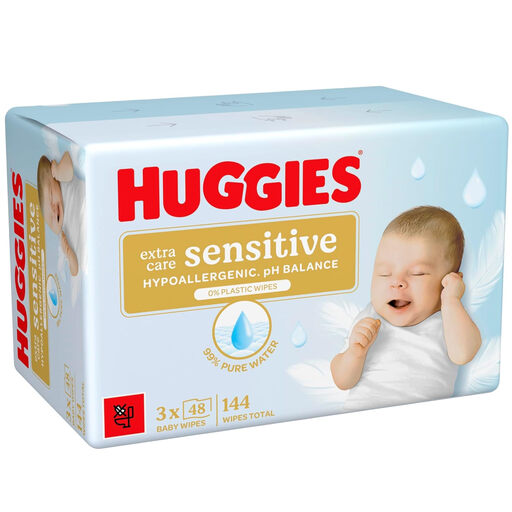
Why This Fits Their Persona: For parents who value sustainability but don't want to compromise on skin compatibility. This product combines a pure formula with eco-friendly materials.
This wipe proves that eco-friendly doesn't mean lower quality. It is tear-resistant and gentle, avoiding the "thin wipe" fallacy while also being plastic-free.
The wipe is explicitly declared as plastic-free and, according to the manufacturer, is made from skin-friendly natural fibres (69% pulp). The 99% water formula is hypoallergenic and clinically tested.
We have compiled a complete, up-to-date list of products that fully meet these strict selection criteria and German safety regulations.
Yes, many baby wipes are suitable for cleaning the face and hands. Look for products explicitly marked as "suitable for face and hands." Wipes without perfume and with a pH-neutral value are particularly recommended to avoid irritation in the sensitive facial area.
The key is the seal. Packs with a sturdy plastic lid (pop-up closure) generally retain moisture better than those with a simple adhesive label. Always close the pack tightly immediately after use. Store the wipes in a cool place and avoid direct sunlight or proximity to heaters.
Yes, plastic-free wet wipes have a lower environmental impact. Conventional wet wipes often contain synthetic fibres like polyester, which are not biodegradable and contribute to the microplastic problem. Wipes made from plant-based fibres (e.g., cellulose, viscose, cotton) can decompose under the right conditions. Important: Even biodegradable wet wipes should never be flushed down the toilet, as they can clog sewage systems. They always belong in the household waste.