
Lieferung heute & morgen

Qualitätsgarantie

Willkommens-Angebote freischalten: KOSTENLOSE Lieferung | Bis zu 80 % RABATT | Kostenlose 30-Tage-JoyPlus-Testphase
App herunterladen
The range of baby wipes is vast, and manufacturers' promises are often lofty. But what's really behind terms like "extra gentle" or "natural"? As a parent, you want to make a safe, skin-friendly choice for your child without falling for marketing hype. Many products don't deliver on their claims and can lead to skin irritation or unnecessary expense.
This guide will help you identify the key features and avoid the three most common pitfalls when buying wet wipes, so you can make an informed decision for your baby's delicate skin.
To avoid a bad purchase, you should focus on objective and verifiable criteria. These three aspects are crucial for the quality and skin-friendliness of wet wipes.
A baby's skin, especially a newborn's, is up to five times thinner than an adult's and therefore particularly permeable. A minimalist and transparent ingredient list is the most important quality indicator.
For particularly sensitive skin, sensitive wipes with a short list of ingredients, primarily consisting of water and a mild preservative, are the best option.
The material of the wipe determines not only how it feels on the skin but also its functionality and environmental impact.
Good packaging protects the wipes from drying out and makes them easier to handle.
Based on the criteria above, we have put together some products for different user profiles.
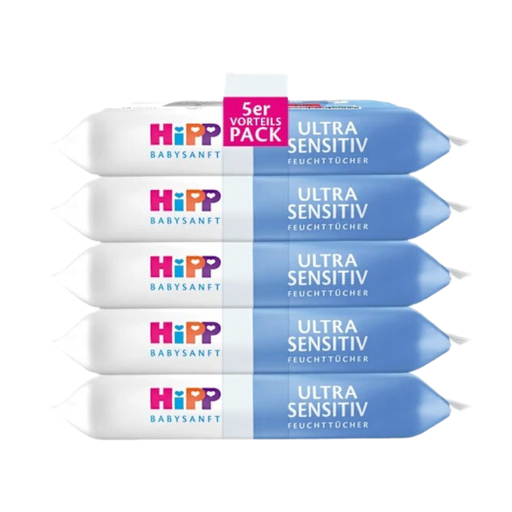
Why This Fits Their Persona: Ideal for parents seeking maximum safety and skin compatibility from day one. The minimalist formula is specially designed for the needs of newborns and skin prone to eczema.
This product avoids the '99% water' trap with a transparent, extremely short ingredient list (water and mild cleansing agents) that contains no perfume or alcohol.
Made with 99% water and is free from perfume, alcohol, and parabens. According to the manufacturer, it is also suitable for caring for skin with eczema.
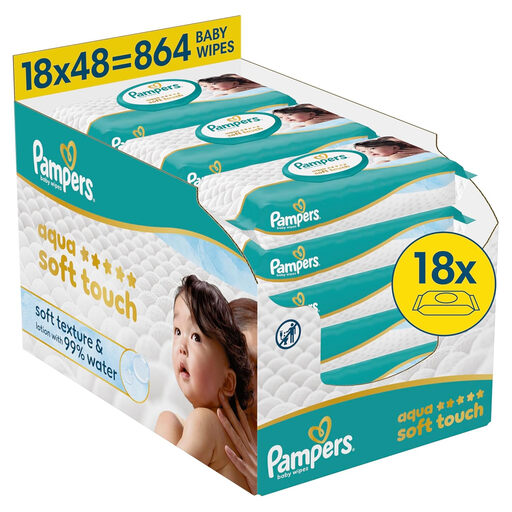
Why This Fits Their Persona: Perfect for families who want to stock up to save money and always have enough wipes on hand. This bulk pack offers solid value for money for daily use.
Despite the low price per wipe, there's no compromise on quality. The wipes are plastic-free, and the lotion is based on 99% water, with no alcohol or perfume—a solid, transparent offering.
The bulk pack of 864 wipes ensures a long-lasting supply. The wipe material is plastic-free, and the formula helps restore the skin's natural pH balance, according to the manufacturer.

Why This Fits Their Persona: For parents who prioritise sustainability without compromising on skin compatibility. These wipes combine a gentle formula with eco-friendly materials.
This product goes beyond vague 'natural' promises and delivers concrete, verifiable facts: it is made from 100% biodegradable plant-based fibres and is OEKO-TEX certified.
The wipes are plastic-free and biodegradable. The OEKO-TEX certification (No. 25.HUS.21538 Hohenstein) confirms they are free from harmful substances, which is a benefit for sensitive skin.
We have compiled a complete, real-time list of products that fully satisfy these strict selection criteria and UK safety regulations.
Yes, wet wipes also have an expiry date. Unopened, they usually last for two to three years. Once opened, they should be used within a few months, as the preservatives can lose their effectiveness and the wipes can dry out or become contaminated with germs. The expiry date is typically printed on the packaging.
Even if some wipes are advertised as "flushable," they should always be disposed of in the household waste. Unlike toilet paper, they do not break down quickly enough in water. They can clog pipes and pumping stations at sewage treatment plants, leading to expensive repairs and environmental problems. Biodegradable wipes also only decompose under landfill conditions, not in the sewage system.
No, wipes made of pure water wouldn't exist, as water without preservatives would quickly become contaminated with germs. Products advertised as water wipes for babies typically contain 99% or more water, plus a very small amount of mild cleansing agents and preservatives (e.g., Sodium Benzoate, Citric Acid) to keep the product safe and stable. The key is the selection of mild and harmless additives.