
Lieferung heute & morgen

Qualitätsgarantie

Willkommens-Angebote freischalten: KOSTENLOSE Lieferung | Bis zu 80 % RABATT | Kostenlose 30-Tage-JoyPlus-Testphase
App herunterladen
Baby wipes are part of the daily nappy-changing routine for many families. However, baby wipes differ significantly in their carrier material, lotion, closure and pack size. A large number of wipes or the label "Sensitive" alone tells you little about how suitable they actually are.
This buying guide from the Joybuy Product Recommendation Officer shows you which details matter before you buy, and which product features suit different everyday situations.
The label 99 percent water wipes usually describes the water content or a water-based lotion. Even these products can contain additional ingredients such as acidity regulators, humectants or preservatives. Checking the full ingredients list therefore remains important.
For example, the Pampers 99% Water range contains, according to the product information, Aqua, Citric Acid, Sodium Citrate and Sodium Benzoate. The "99 percent water" claim does not replace the need to examine the ingredients.
Terms like hypoallergenic wipes or "for sensitive skin" are used differently by different brands. They do not automatically mean that every baby will tolerate the wipes equally well. For sensitive or irritation-prone skin, the following details are useful:
If redness or discomfort occurs, stop using them. Wipes are intended for external cleaning and do not replace medical advice.
Biodegradable wipes can be made from plant-based fibres and break down under suitable conditions. However, this does not mean they belong in the toilet. Even biodegradable wipes can block pipes. After use, they should go in the household waste, unless the packaging states otherwise for local disposal.
For newborns and babies with sensitive skin, clear product information is helpful. A short formula can make selection easier, but it is not the only proof of tolerance. Look for a combination of:
Some products are intended for hands and face, others specifically for external cleaning during nappy changes. Always follow the manufacturer's instructions.
The wipe material affects how many wipes you need per clean and how easy they are to grip. Textured surfaces can pick up dirt, while smooth materials may be designed for gentle wiping.
Claims like "three times thicker" or "3.8 times more moisture" should be understood as brand-specific product claims. They help you compare within that brand's range, but are not a general industry standard. According to the product description, Bc Babycare uses a plant-fibre-based material, claims three times the thickness compared to certain standard wipes, and a higher moisture content.
A bulk pack of wipes can be economical and practical for families with regular needs. However, the price per wipe should be considered alongside the wipe size, material quality and shelf life. Large stocks are less useful if packs stay open for a long time and dry out.
Practical features include:
Always close the pack carefully after each use. Wipes are single-use products and must not be washed or reused.
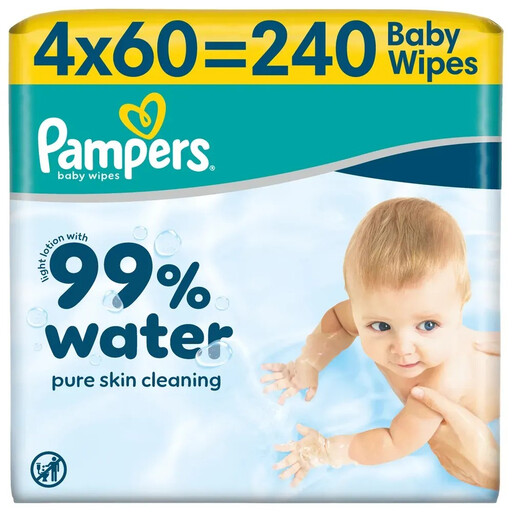
Why this product fits the profile: The pack of 240 wipes lets you try a water-based lotion without committing to a very large stock. According to the product information, it is perfume-free and alcohol-free, and suitable from the first day of life.
The manageable pack size reduces the risk of a costly mistake if the skin or wipe texture doesn't suit your family.
240 wipes, 99 percent water according to the product information, 0 percent alcohol and perfume according to the manufacturer.

Why this product fits the profile: According to the product description, this model offers 3 × 80 wipes, is unperfumed and has an OEKO-TEX certification with the number 25.HUS.21538 Hohenstein.
The material and certification details are directly linked to the product description, making it easier to check before you buy.
Plant-fibre-based wipe carrier according to the information, 3 times thicker than certain standard wipes, and 12 × 80 wipes.
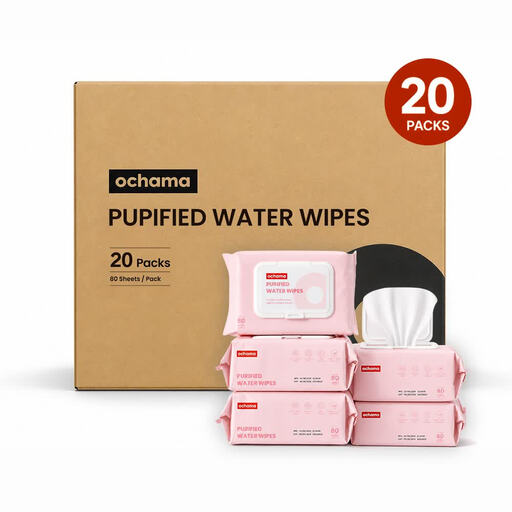
Why this product fits the profile: The bulk pack of 20 bags with 80 wipes each is designed for households with high usage, for example for nappy changes, hands and face in family life.
Multiple individual packs prevent the whole stock from being constantly open. The flip-top lid is designed to keep the wipes moist, according to the product information.
1600 wipes, a pearl-embossed surface, and according to the product description, alcohol-free and fragrance-free.
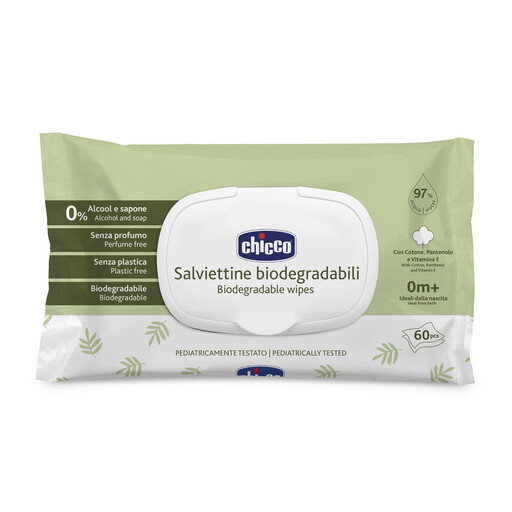
Why this product fits the profile: According to the product information, the wipe is made from 100 percent biodegradable natural fibres and is intended for nappy changes as well as cleaning hands and face.
The material claim refers specifically to the wipe carrier. Despite this, the wipes must not be flushed down the toilet, according to the instructions.
720 wipes, natural fibres according to the manufacturer, and an alcohol-free and soap-free formula.
We have put together a full, regularly updated list of products that fully meet these strict selection criteria and the safety regulations in force in the EU.
That depends on the individual product information. Some models are stated by the manufacturer as suitable from the first day of life, while others are more generally aimed at babies or the whole family. Before buying, check the age recommendation, ingredients and usage instructions. For newborns with sensitive skin, a small practical test can be useful.
There is no universal shelf life that applies to all products. What matters is the information on the packaging and product page. After opening, store the wipes in a dry, cool place away from direct sunlight. A carefully closed lid helps prevent them from drying out. Any change in smell, colour or material texture means they should no longer be used.
Only if the manufacturer explicitly states this use. Some wipes are intended for hands and face, others primarily for the nappy area. Eyes, mouth and broken skin should generally be avoided, unless the product information says otherwise. Used wipes belong in the household waste, not in the toilet.