
Lieferung heute & morgen

Qualitätsgarantie

Willkommens-Angebote freischalten: KOSTENLOSE Lieferung | Bis zu 80 % RABATT | Kostenlose 30-Tage-JoyPlus-Testphase
App herunterladen
Baby wipes are an essential item for many families. They’re handy for nappy changes, on the go, or for cleaning hands and faces. At the same time, baby wipes differ significantly in ingredients, material, moisture content, pack size and closure.
However, the product name alone doesn’t tell you much about suitability. Terms like “sensitive”, “natural” or “with water” should be checked against the specific details on the packaging and product page.
With 99 percent water wipes, the lotion is mostly water. But for shelf life and the intended use, other ingredients may be included, such as preservatives, pH-regulating agents or mild cleansing substances. That’s why it’s worth checking the full INCI list.
Sensitive baby wipes can differ in fragrance, alcohol, material and additional care ingredients. If you’re looking for fragrance-free wipes, check the ingredients list for “Parfum”. Likewise, “alcohol-free wipes” aren’t automatically free of all other additives.
Buying wipes in bulk often reduces the need to reorder. But if a pack is left open for a long time, the wipes can dry out. For smaller households or infrequent use, a smaller pack may be more practical. What matters is the price per wipe, not just the total pack price.
For wipes for newborns, clear manufacturer information on age suitability is helpful. Look for:
Suitability from birth doesn’t replace individual observation of the skin. If redness or irritation occurs, stop using the product and seek medical advice if necessary.
The material affects tear resistance, feel on the skin and disposal. Some products use plant-based or, according to the product information, biodegradable fibres. Others are made from non-woven fabrics containing plastic. The claim “biodegradable baby wipes” should therefore always be considered alongside the specific material information.
Wipe size and texture are also relevant. A thicker or textured wipe may be sufficient for one mess, while very thin wipes might need to be used several times. Claims like “three times thicker” or “3.8 times more moisture” are manufacturer statements and shouldn’t be mistaken for a general standard.
A flip-top lid or resealable closure helps keep the wipes moist after opening. Store opened packs in a cool, dry place away from direct sunlight. After use, wipes should go in the household waste and not in the toilet – even if they contain plant-based fibres.
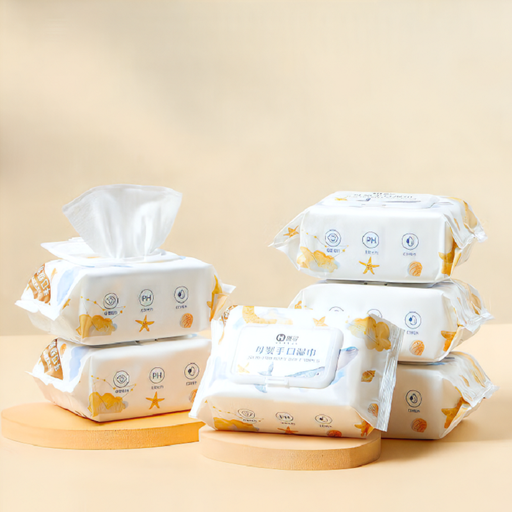
Why this product fits the profile: Ten resealable packs with 80 wipes each are ideal for families who want a predictable supply and versatile use for hands, face and nappy changes.
The packs are individually resealable. According to the product information, the formula is free from alcohol, parabens and fragrances.
130 × 170 mm wipes, 10 packs and, according to the supplier, dermatologically tested.
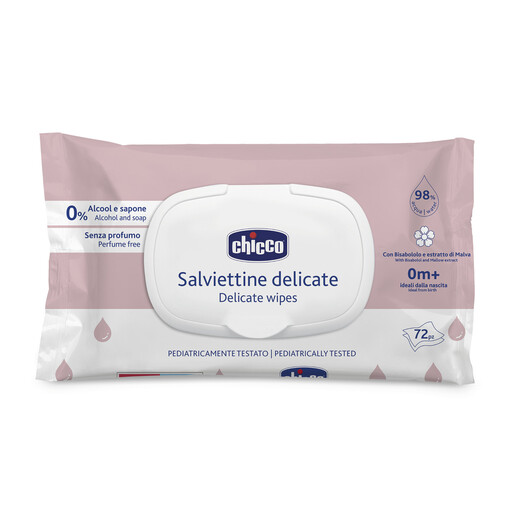
Why this product fits the profile: The combination of a textured and smooth side offers different surfaces for daily cleaning and, according to the product information, is suitable from birth.
The product information states 0 percent alcohol and 0 percent fragrance. The flip-top lid is designed to reduce drying out between uses.
864 wipes per total pack, bisabolol and mallow extract according to the ingredients list, plus dermatological testing as stated by the manufacturer.

Why this product fits the profile: With 960 wipes, this bulk pack is aimed at households with frequent nappy changes or multiple use locations.
According to the product information, the wipes are fragrance-free and made from plant-based, plastic-free fibres. Each pack should still be properly sealed.
99 percent purified water according to the product description, three times the thickness compared to standard wipes as stated by the supplier, and OEKO-TEX certificate no. 25.HUS.21538.
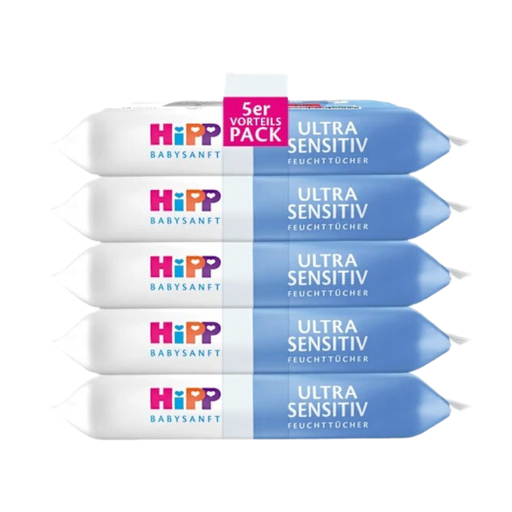
Why this product fits the profile: According to the product description, the wipes are intended for newborns from birth and contain 99 percent water.
The ingredients list is short and, according to the product information, contains no perfume. This makes it easy to target fragrance-free wipes.
Five packs with a total of 240 wipes, 99 percent water and suitability from birth according to the manufacturer.
We’ve put together a full, regularly updated list of products that fully meet these strict selection criteria and the safety regulations in force in the EU.
Products whose manufacturer explicitly states they can be used from birth are suitable. In addition, parents should check the information on fragrances, alcohol and other ingredients. A general tolerance for every baby cannot be assumed.
This depends on the product, packaging and storage. After opening, the wipes should be used within the period recommended by the manufacturer. Wipes that are dry, discoloured or have an unusual smell should no longer be used.
No. Even biodegradable baby wipes should not be flushed down the toilet. They can block pipes and should be disposed of in the household waste. What matters for a more environmentally conscious choice is the material information and correct disposal.