
Lieferung heute & morgen

Qualitätsgarantie

Willkommens-Angebote freischalten: KOSTENLOSE Lieferung | Bis zu 80 % RABATT | Kostenlose 30-Tage-JoyPlus-Testphase
App herunterladen
Choosing the right baby wipes can be challenging with so many options on the market. For newborns or children with sensitive skin, parents want to ensure they are using a gentle, safe, and well-tolerated product. This guide is designed to help you understand the key criteria and make an informed decision. We provide objective information on ingredients, materials, and product features to simplify your selection process.
Before you choose a product, there are a few fundamental aspects to consider. These criteria will help you evaluate the quality and suitability of wipes for your child's delicate skin.
A baby's skin, especially a newborn's, is significantly thinner and more permeable than an adult's. Therefore, a minimalist and gentle formula is crucial.
These streamlined formulas are especially recommended for newborn wipes and for babies with skin prone to allergies or eczema.
The wipe material is just as important as the lotion it contains. It should be soft and tear-resistant to ensure a thorough yet gentle clean.
Choosing a plastic-free product not only protects the environment but also avoids direct contact between microplastics and your baby's delicate skin.
Based on the criteria above, we have curated a selection of products that stand out for their specific features.
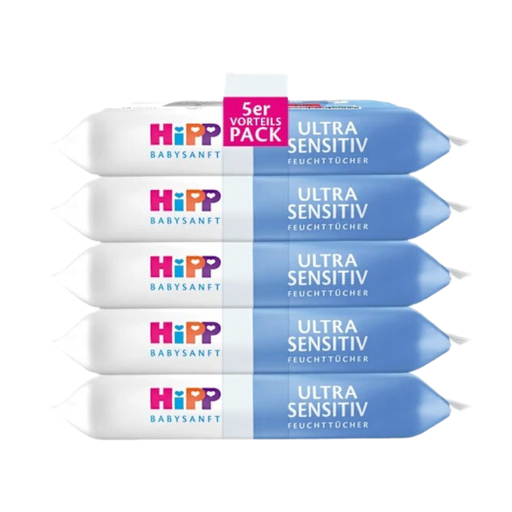
Why It Stands Out: The Hipp wipes in the Ultra Sensitive version feature an extremely minimalist formula. With 99% water content, they are specifically designed to meet the needs of highly sensitive skin.
Pros:
Who It's For: Ideal for parents of newborns and babies with very sensitive skin prone to allergies or eczema who are looking for the purest and most minimalist cleansing solution available.
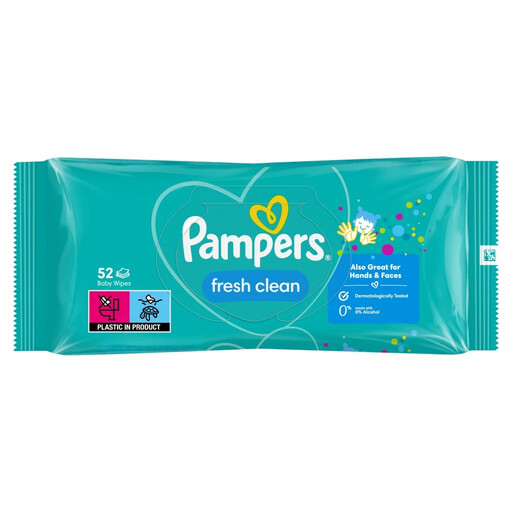
Why It Stands Out: The Pampers wipes from the Fresh Clean line combine an effective clean with a formula that, according to the manufacturer, protects the skin's natural pH balance. They are also endorsed by dermatologists from the Skin Health Alliance.
Pros:
Who It's For: Suitable for parents who value proven brand quality and are looking for a reliable clean for their baby's face, hands, and nappy area. The scent makes it a choice for those who prefer a fragranced yet skin-friendly product.
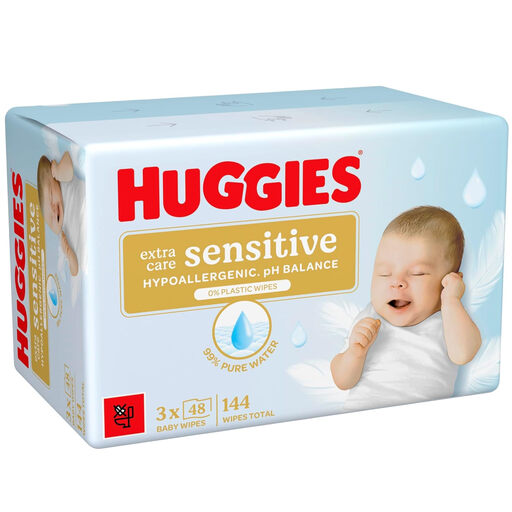
Why It Stands Out: Huggies Pure combines two key features: a formula with 99% pure water and a plastic-free wipe made from natural fibres. This makes them an excellent option for health- and eco-conscious parents.
Pros:
Who It's For: Perfect for parents looking for a sensitive baby wipe that is a great choice for both their newborn's skin and the environment. The combination of a pure formula and sustainable material is the key differentiator here.
Proper baby care involves more than just wipes. If you're looking for other items for your new baby's essentials or searching for the perfect gift, you'll find a wider selection in our category.
? Discover more gift ideas and products for newborns here
1. When can you start using baby wipes? Many products specifically labelled as wipes for newborns can be used from day one. It is advisable to opt for versions with very few ingredients and a high water content, such as the Hipp Babysanft Ultra Sensitive or Huggies Pure wipes. When in doubt, or for extremely sensitive skin, a soft washcloth with lukewarm water can be a great alternative for the first few days.
2. Are wipes with 99% water a better choice? For daily cleansing of sensitive baby skin, wipes with 99% water are often considered superior. The minimalist formula reduces the risk of skin irritation by avoiding many potentially allergenic additives like perfume or certain preservatives. The cleaning action is achieved by the water combined with very mild surfactants present in low concentrations.
3. How should baby wipes be disposed of correctly? Baby wipes, even those labelled as biodegradable, should always be disposed of in the general household waste. They should never be flushed down the toilet. Most wipes do not break down quickly enough and can cause stubborn blockages in pipes and sewer systems.