
Lieferung heute & morgen

Qualitätsgarantie

Willkommens-Angebote freischalten: KOSTENLOSE Lieferung | Bis zu 80 % RABATT | Kostenlose 30-Tage-JoyPlus-Testphase
App herunterladen
Baby wipes are an essential for many families. They’re always to hand for nappy changes, when you’re out and about, or for cleaning little hands and faces. But products can vary considerably in their ingredients, moisture content, material, pack size and disposal instructions.
If you focus only on a low price per wipe or bold marketing claims, it’s easy to overlook important details. These three common pitfalls are particularly likely to lead to the wrong choice:
For families with sensitive skin or skin that is prone to irritation, fragrance-free baby wipes and alcohol-free baby wipes can be a sensible choice. Alcohol, fragrances and colourants may cause unwanted skin reactions in some people. However, it isn’t possible to make a general statement about how well a product will suit every individual.
Check the full INCI list on the packaging. Words such as “mild”, “gentle” or “natural” are no substitute for checking the specific ingredients. Wipes suitable from birth can be used for newborns if the manufacturer states that they’re suitable for this age group. If the skin is irritated or broken, stop using the product and seek medical advice if necessary.
A high water content can make a product’s composition easier to understand. This figure is highlighted in the product information for products such as Pampers 99% Water and Hipp Babysanft Ultra Sensitive. However, the full formula matters: cleansing agents, pH level, preservatives and additional skincare ingredients also affect the product.
So 99% water wipes aren’t automatically right for every baby. When trying a new product, apply it to a small area of skin first and monitor the reaction. At nappy changes, it can also help to dab the skin gently rather than rub it.
The thickness of a wipe affects whether it tears during use. If you’re buying a large pack of baby wipes, it’s worth checking the dispensing opening and resealable closure. If the wipes dry out after opening, you may end up using more.
The material matters too. According to product information, some wipes are made from plant-based or biodegradable fibres, while others use blended materials. “Biodegradable” and “compostable” don’t mean the same thing, so check the manufacturer’s specific claims. Used wipes should never go in the toilet unless the packaging explicitly says otherwise.
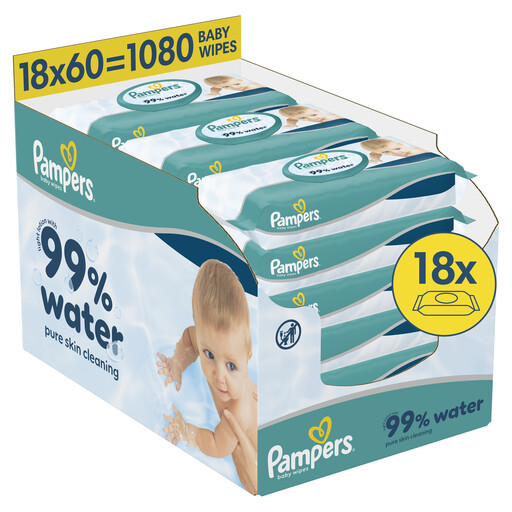
Why this product suits this profile: According to the product information, this value pack contains 1,080 wipes and is designed for everyday use at home or on the go.
The product information states that the wipes contain 0% alcohol and 0% perfume, and are suitable from day one. This makes it easy to check some of the key selection criteria.
99% water according to the product description, a large pack of 1,080 wipes and dermatologically tested, according to the manufacturer.
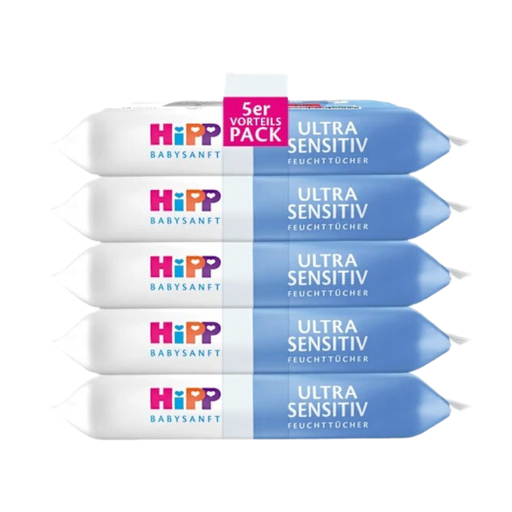
Why this product suits this profile: The formula is described as containing 99% water and having a short ingredients list. According to the product information, it’s suitable from birth.
The specific ingredients list shows which mild cleansing agents are included, rather than relying only on a general “sensitive” label.
99% water according to the product description, suitable from birth and stated country of origin: Germany.
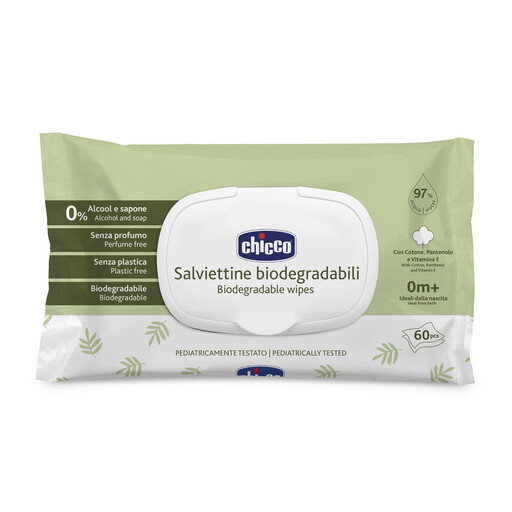
Why this product suits this profile: The pack of 720 wipes is designed for families who regularly need wipes for nappy changes, hands and faces.
The product description states that the wipes are made with biodegradable natural fibres and contain no alcohol or soap. It also says to dispose of them in household waste.
100% biodegradable natural fibres according to the product information, 720 wipes and suitable from birth.
We’ve put together a comprehensive, regularly updated list of products that meet these strict selection criteria and fully comply with the safety regulations in force in the EU.
Choose products whose packaging or product description explicitly states that they’re suitable from birth or from 0 months. You should also check the ingredients list and, if your baby has sensitive skin, start with a small pack.
There’s no single timeframe that applies to every product. Follow the instructions on the packaging. Resealing the pack properly, storing it in a dry place and keeping it away from heat can help prevent the wipes from drying out too soon. Don’t use them if their smell or appearance has changed, or if they’re unusually dry.
Fragrance-free products avoid fragrances that some families prefer to steer clear of. However, they aren’t automatically suitable for every skin type or situation. The full formula, age guidance and your baby’s individual skin reaction are still important.