
Lieferung heute & morgen

Qualitätsgarantie

Willkommens-Angebote freischalten: KOSTENLOSE Lieferung | Bis zu 80 % RABATT | Kostenlose 30-Tage-JoyPlus-Testphase
App herunterladen
Whether you are breastfeeding, using formula, preparing for nursery or heading out and about, baby bottles and storage containers need to suit your child’s age, their intended use and your family’s everyday routine. However, having a wide choice does not automatically make the decision easier. Capacity, teat shape, closures, materials and cleaning requirements can vary considerably.
The following criteria can help you assess marketing claims and avoid unsuitable purchases.
A 260 ml baby bottle may be sufficient for many everyday situations. However, it is not necessarily the right size for newborns if only small amounts are needed initially. A baby bottle suitable from birth with a capacity of 140 ml may be easier to handle when supplementing feeds, using expressed milk or offering tea and water at the appropriate age.
The same applies to children’s drinking bottles: 350 ml can be useful for nursery or short trips, while larger models add extra weight and take up more space in a rucksack.
Calling a leakproof snack box says little on its own about the actual design. The seal, screw-top closure, compartments and correct assembly are what matter. With containers featuring several levels, you should also check whether yoghurt, cereal and fruit remain separate or come into contact with one another.
With microwave- and dishwasher-safe containers, suitability may be limited to the container itself. Lids, seals or teats often must not be heated. Bamboo or wooden lids also frequently require hand washing. The care instructions for the individual product are therefore more important than a general advertising claim.
When choosing an anti-colic baby bottle, parents should pay attention to the stated age range and teat flow. A slow-flow teat may be intended for newborns, while older babies often need a faster flow. According to the product description, a Natural Response baby bottle only releases milk when the baby actively drinks. This may appeal to families who want to combine breastfeeding and bottle feeding.
Important: anti-colic valves and specially shaped teats are design features, not a guarantee of a particular physical outcome. Individual tolerance, correct assembly and supervised use remain the key considerations.
For baby bottles, BPA-free materials are a common selection criterion. You should also consider the material specifications for the bottle, teat, seals and lid separately. Polypropylene is lightweight and shatter-resistant; glass is transparent and less likely to absorb odours, but it can break.
With BPA-free storage containers, families should also check the temperature limits. “Food-safe” does not automatically mean that a product is suitable for the microwave, freezer or hot food.
For everyday use, wide bottle openings, easy-to-read measurements and fewer individual parts are practical features. With containers, separate compartments for yoghurt, cereal and toppings can offer a genuine advantage. A yoghurt pot for on the go with a separate compartment, for example, is designed differently from a simple cereal box.
Before buying, check the following:
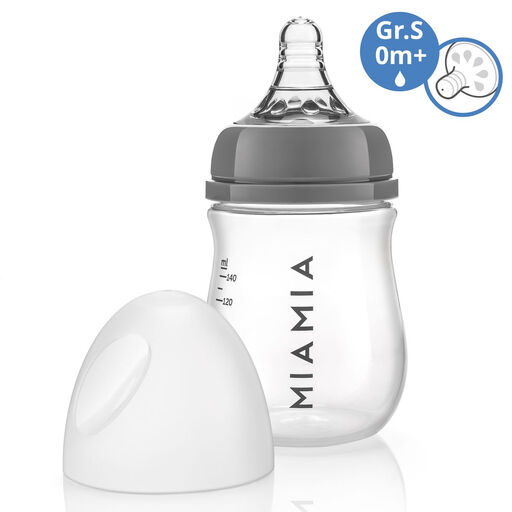
Why this product suits this profile: According to the product information, the compact 140 ml bottle is suitable from birth and is ideal for smaller feeds and occasional supplementary feeding.
Its manageable capacity avoids the need for an unnecessarily large bottle during the early stages. PP is lightweight and more shatter-resistant than glass.
BPA-free PP, size S teat, wide opening and, according to the product information, suitability for the dishwasher, sterilisation and boiling.
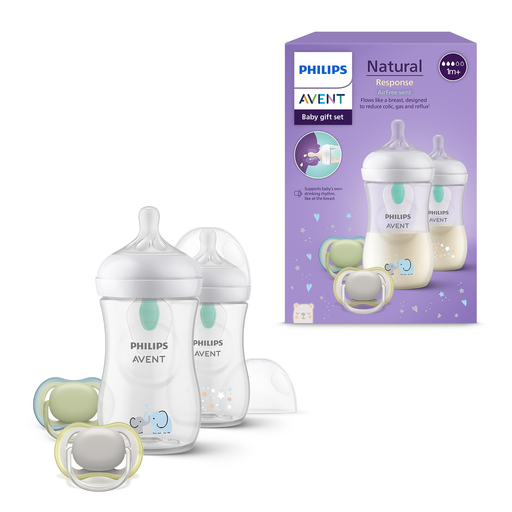
Why this product suits this profile: The set contains two 260 ml bottles with Natural Response teats and four Ultra-Air soothers for different everyday situations.
The age recommendations for the teats and soothers are listed separately. This makes it easier to tailor the contents to the intended use.
260 ml capacity, AirFree valve, BPA-free PP and, according to the product information, dishwasher and microwave suitability.
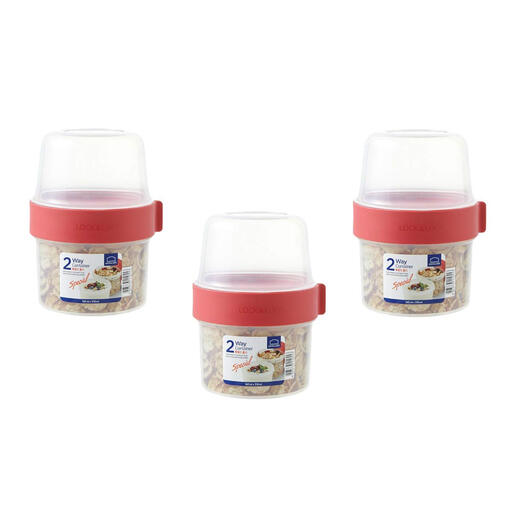
Why this product suits this profile: The three containers, each with a 360 ml lower compartment and a 310 ml upper compartment, are designed for prepared snacks, yoghurt and cereal.
The divider prevents dry and moist ingredients from mixing during transport. The lid must be removed before placing the container in the microwave.
BPA-free PP, screw-top lid with divider, stackable design and dishwasher and microwave suitability without the lid.
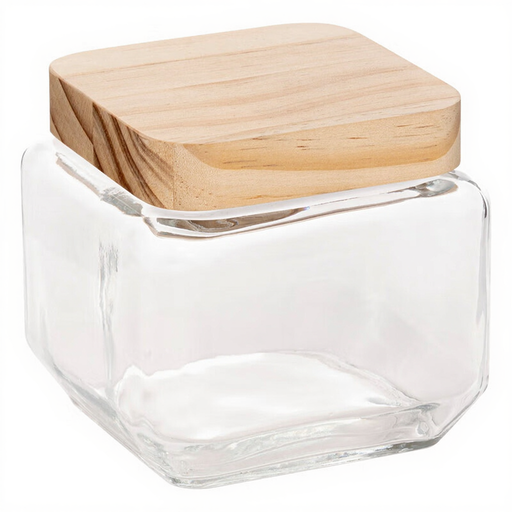
Why this product suits this profile: The 0.85-litre glass jar is suitable for visible storage of dry foods such as rice, flour, pasta or coffee.
The material and care limitations must be observed carefully: according to the product information, the glass is dishwasher-safe, the lid should be cleaned by hand and the glass is not microwave-safe.
Reusable transparent glass, 0.85 l capacity and a bamboo or pinewood lid with a tight closure.
We have put together a complete, regularly updated list of products that fully meet these strict selection criteria and the safety regulations applicable in the EU.
Models with a suitable age recommendation and slow teat flow are appropriate. According to the respective product information, the 140 ml and 260 ml MiaMia bottles and the MAM Easy Start Anti-Colic Bottle are suitable from birth. It is essential that the teat, bottle and closure are assembled correctly.
This depends on the material, frequency of use and condition of the individual parts. Bottles and containers should be replaced if they develop cracks, discolouration, deformation or damaged seals. Teats are subject to greater wear through chewing, sterilisation and frequent cleaning and must be checked regularly.
According to the manufacturer, some products are suitable for both, but often with certain restrictions. With LocknLock and Tefal containers, the lid must be removed before heating. The 5FIVE glass jar with wooden lid is not intended for use in the microwave. The specific care and safety instructions for each product always take precedence.