
Lieferung heute & morgen

Qualitätsgarantie

Willkommens-Angebote freischalten: KOSTENLOSE Lieferung | Bis zu 80 % RABATT | Kostenlose 30-Tage-JoyPlus-Testphase
App herunterladen
Baby skin is not yet the same as adult skin. It may react more sensitively to cold, moisture, friction or heavily fragranced formulations. The right baby cream should therefore be chosen not only for its pleasant scent or familiar packaging, but also for the area of skin and everyday situation it is intended for.
A rich baby nappy rash cream is primarily intended for the nappy area. It can provide a protective film there, but it is not necessarily the right choice for the face. Conversely, a lightweight facial moisturiser may not offer enough protection in the nappy area when exposed to a lot of moisture.
Before buying, you should therefore be clear whether you are looking for a baby face cream, baby body cream, care for the nappy area or a baby wind and weather cream.
Terms such as “natural”, “with calendula” or “gentle” do not, on their own, tell you whether a product contains fragrances. Natural essential oils can also appear in the ingredients list as fragrance components. If you want to avoid unnecessary fragrances, check the complete INCI list and specifically look for a fragrance-free baby cream.
Very rich creams can be useful for dry skin, but they are more difficult to spread and may leave a film. Lightweight lotions are usually absorbed more quickly and are suitable for larger areas of the body. For the nappy area, cheeks in cold weather or particularly dry patches, a protective balm may be more suitable.
A baby moisturising cream for the body should spread evenly. A facial cream should also be easy to apply, but care should be taken to keep it out of the eyes. Water-free balms often form a richer protective layer and may be suitable for time spent outdoors or targeted care.
Ingredients such as zinc oxide, waxes or lanolin are found in many formulations intended for the nappy area. They can form a protective film. If the skin is already severely irritated, weeping or otherwise unusual, using a cosmetic product alone should not replace seeking medical advice.
Look out for known allergies and individual intolerances. Calendula, camomile, almond oil, sesame oil, lanolin and fragrance components are not equally suitable for everyone. Applying a small amount to an unobtrusive area of skin before the first widespread use may be sensible. With babies, tolerance should be monitored particularly carefully.
Check the minimum age for which the product is intended according to the packaging. Instructions such as “for external use only”, “avoid contact with the eyes” and the recommended period of use after opening are also relevant. Creams should be stored tightly closed, in a dry place and protected from direct sunlight.
The claim “dermatologically tested” describes a skin compatibility test stated by the manufacturer. It is not a guarantee that every type of skin will tolerate the product without problems.
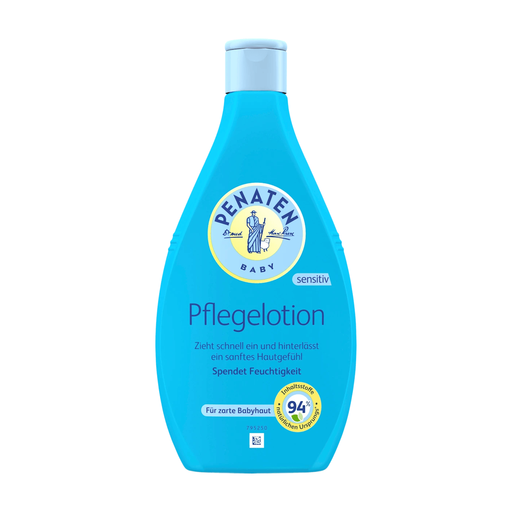
Why this product suits this profile: The 400ml size is designed for regular body care and offers a practical option for families who need a larger quantity.
Its clear focus on body care helps prevent the lotion being confused with a specialist nappy rash cream or wind and weather protection cream.
400ml content, a lightweight body emulsion and, according to the product information, dermatologically tested for skin compatibility.
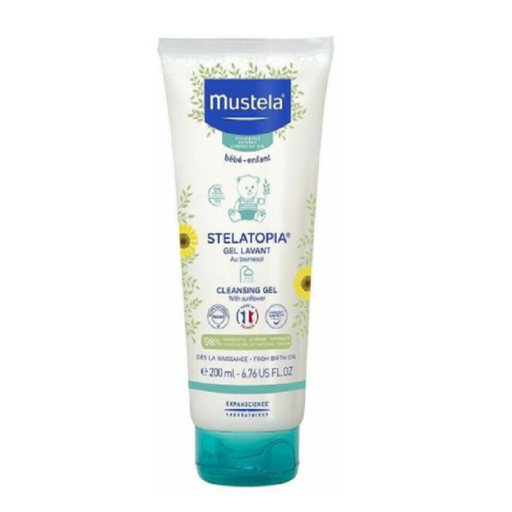
Why this product suits this profile: The fragrance-free formulation is appealing to buyers who carefully check the ingredients list for fragrances and are looking for a compact care cream for babies.
The product description explicitly states that the formula is fragrance-free. Nevertheless, the current packaging information should be checked before buying.
41ml, intended for babies and children and, according to the product information, free from parabens and perfume.
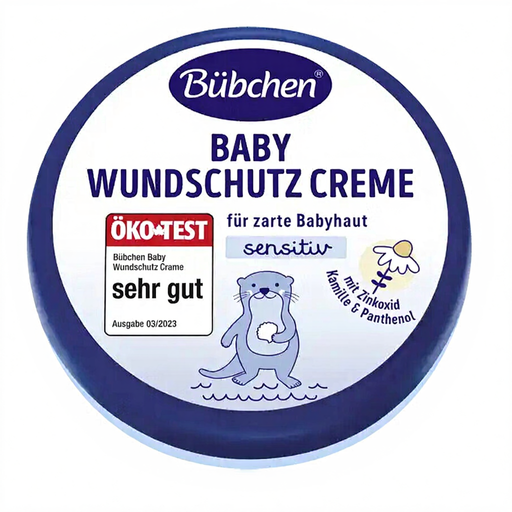
Why this product suits this profile: Its focus on the nappy area makes it suitable for families and carers who regularly need a protective cream.
Its specific intended use reduces the risk of using a body lotion as a nappy rash cream. The ingredients list should still be checked in case of allergies.
150ml, with zinc oxide, panthenol and camomile extract according to the product description, as well as being free from silicones and colourants.
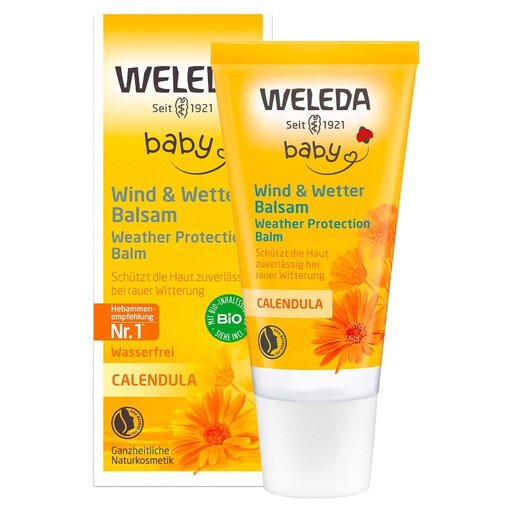
Why this product suits this profile: The water-free balm is designed to care for stressed skin on the face and hands in windy and cold conditions.
The water-free texture is clearly identified as a protective balm and is not presented as a lightweight everyday lotion.
30ml, water-free formula with almond oil, beeswax and calendula extract according to the product information; free from mineral oil.
We have put together a complete, regularly updated list of products that fully meet these strict selection criteria and the safety regulations applicable in the EU.
Depending on the area, dry skin may benefit from a rich care cream, a body lotion or a water-free balm. The condition of the skin, texture, ingredients list and intended use are all important. A paediatric practice should be consulted if unusual or persistent skin changes occur.
Some products are specifically labelled for use on the face and body. Others are intended for the nappy area or for protection from wind and weather. The intended use stated on the packaging should be the deciding factor. Contact with the eyes should always be avoided.
The period of use after opening is usually indicated by the open-jar symbol, for example “12M”. You should also check the smell, colour and consistency. If you notice any visible changes or the packaging is damaged, stop using the product.