What should you look for when buying?
First decide whether popcorn itself will be the main event, or whether a separately labelled snack will be your source of protein. Then compare the nutritional information on the same basis and check the ingredients and portion size that’s right for you.
| Criteria |
What to check |
Who it matters to |
| Protein contribution |
Compare protein in g per 100 g and calculate the amount for the portion you plan to eat. A protein claim doesn’t replace this calculation. |
If I choose a snack specifically for its protein contribution, I want to know what my portion actually contains. For around 42% of consumers, protein is the main consideration when choosing a snack. |
| Overall nutritional value |
Check the energy, fat, sugar and salt per 100 g, then take your usual portion into account. |
When I regularly take a snack with me, I don’t want to judge it on just one nutritional value. Around 33% of consumers prioritise the overall nutritional profile when making their choice. |
| Ingredients and preparation |
For ready-made snacks, check the ingredients and allergen information. If you’re making your own popcorn, choose kernels and a preparation method that suit your appliance. |
If I want to choose the seasoning and additions myself, having control over preparation matters more to me than buying a ready-made snack mix. Around 25% of consumers prioritise this control. |
Brands to help guide your choice
The following brands and retailers offer useful points of comparison for savoury snacks, complementary products or preparation methods. The examples mentioned are not protein popcorn from these brands.
Lorenz
The product information for NicNac's Original is a good example of why comparing protein shouldn’t stop at a single nutritional value. NicNac's Original is not popcorn.
- Lorenz lists protein and salt per 100 g, as well as ingredients and allergens, for NicNac's Original.
- The values for this product can’t be applied to Lorenz popcorn. Lorenz says the ingredients list on the pack is the definitive source for the specific recipe.
EDEKA
EDEKA24’s sports nutrition category offers examples of separately labelled products to compare, rather than making assumptions about the protein content of popcorn.
- Products in this EDEKA24 category include protein bars, protein bread, protein pudding and protein drinks.
- These examples don’t prove anything about the protein content of popcorn. For any complementary snack, the nutritional information and allergen details for the specific product are what matter.
Lidl
Lidl’s guide to making popcorn at home is useful when deciding between ready-made popcorn and preparing your own.
- The guide uses popcorn kernels as its base and gives instructions for preparing them in a microwave or air fryer.
- Making popcorn yourself doesn’t give it a standard protein value. The ingredients and quantities in the finished portion depend on how you prepare it.
Popcorn and complementary snacks at Joybuy
Here you’ll find popcorn kernels to prepare yourself, as well as individually portioned bars and other snacks that you can check as accompaniments using the information on their packaging. The complementary products are not popcorn; assess the nutritional information and ingredients for each one separately.
 No image available
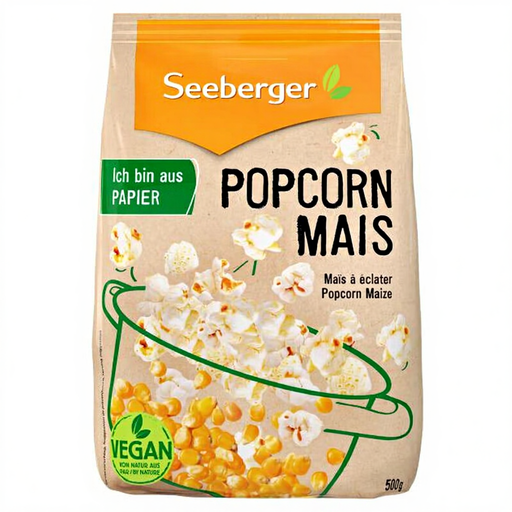
Seeberger popcorn kernels, 500 g according to product title
For homemade popcorn when you want to choose the seasoning and additions yourself.
Before buying, check the actual pack size against the product title. Use the information on the packaging to compare nutritional values.
View at Joybuy
 No image available
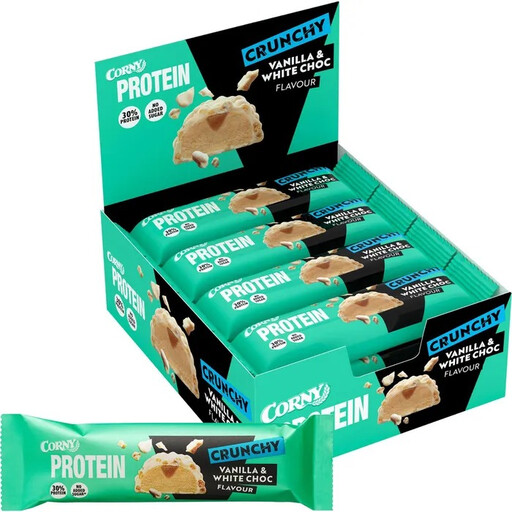
Corny Protein Crunchy Vanilla & White Choc Flavour, 12 × 45 g
An individually portioned bar for your break, if you want to compare another snack alongside popcorn.
Before choosing, check the nutritional information per bar and the ingredients and allergen details on the packaging.
View at Joybuy
 No image available
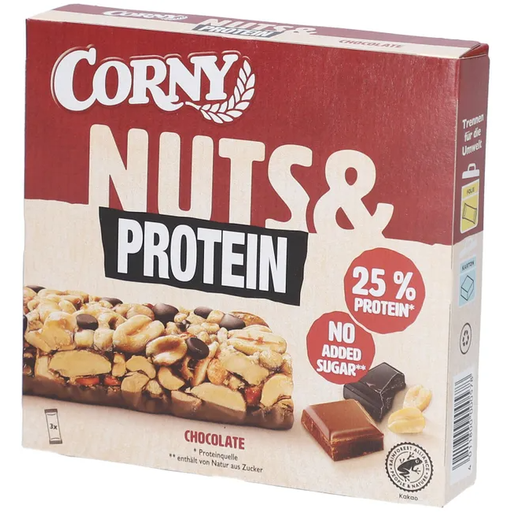
Corny Corn-Nut-Protein Chocolate with Corn, 3 × 35 g
The three bars can be packed individually for when you’re out and about; they’re a different type of product from popcorn.
Compare protein and salt on the same basis with other bars, and check the allergen information.
View at Joybuy
 No image available
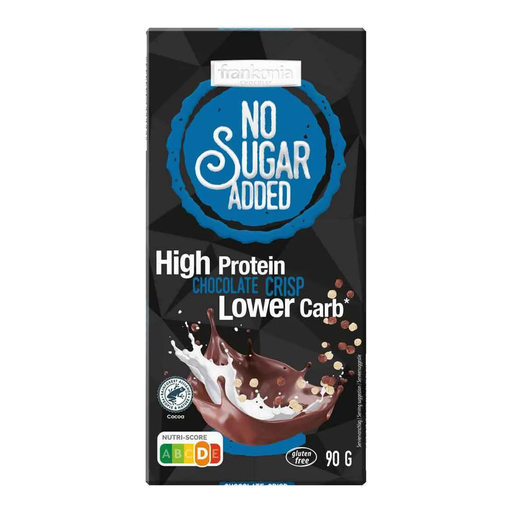
Frankonia CHOCOLAT POWER MOTION Chocolate Crisp, 90 g
A chocolate snack to compare separately if you want to take a packaged product instead of, or as well as, popcorn.
Don’t judge protein claims without looking at the other nutritional values, and check the ingredients and allergen information on the packaging.
View at Joybuy
 No image available
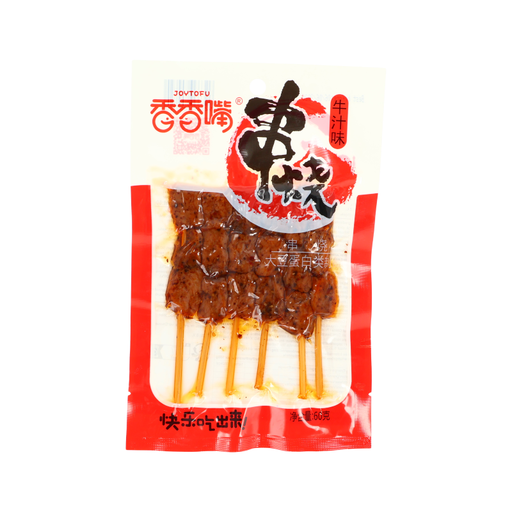
JOYTOFU Skewer-Style Soy Protein Product Beef Flavour, 60 g
A savoury snack option to pack alongside popcorn if you’d prefer something that isn’t sweet.
For comparison, check the nutritional information, including salt, as well as the ingredients and allergen details on the packaging.
View at Joybuy
Frequently asked questions
What does “High Protein” tell you about a snack?
The claim alone doesn’t tell you how much protein is in your usual portion or what the other nutritional values are. Check protein, energy, sugar, fat and salt in the nutritional information, and start by comparing products per 100 g.
Can I assume that popcorn’s protein content will have an effect after exercise?
No. A protein value alone doesn’t mean popcorn will have a specific effect after training. If you’re choosing a snack specifically for its protein, check the amount in your portion; don’t assume that it will have a general recovery benefit.
Do I have to have a protein snack after recreational sport?
No, recreational sport alone doesn’t mean you have to have a special protein snack. The German Nutrition Society (DGE) does not generally consider adult recreational athletes to have increased protein requirements; however, this does not provide an individual recommendation for school-age children and teenagers.
How do I compare two packs of popcorn?
First compare the nutritional information per 100 g so that both products are measured on the same basis. Then think about how much you’ll actually pack and eat; the portion size shown on the pack may not match yours.
Does homemade popcorn automatically contain more protein?
No, making it yourself doesn’t automatically increase its protein content. It mainly gives you control over the seasoning and additions. For a protein comparison, what matters is the amount of popcorn kernels you use and, if applicable, the snack you choose to have alongside them.


