What should you look for when buying?
First, check which ingredients and allergens are suitable for you. Then compare protein and other nutritional values on the same basis, and think about the portion you’ll actually want to take with you.
| What to consider |
What to check when buying |
Who it matters most to |
| Protein content |
Compare protein per 100 g and per portion; check the other nutritional values too. |
If I want to take a snack with a stated protein content after exercise, the amount in the portion I’ll actually eat matters to me. Around 31% of consumers put this question first when choosing. |
| Portability and portion size |
Check the pack size, whether it can be resealed and how it should be stored; divide larger packs into portions. |
For a break between lessons and training, I need something that’s easy to pack and eat. For around 31% of consumers, convenience is their main concern. |
| Allergens and ingredients |
Read the current ingredients list and allergen labelling on the pack. |
If I’m choosing a snack for someone with a food allergy, I need to know the exact recipe. This check comes first for around 23% of consumers. |
| Sugar, salt and energy |
Compare the nutritional information per 100 g and per intended portion. |
For snacks I plan to include regularly in breaks, I don’t want to decide based on protein content alone. That’s why around 15% of consumers prioritise sugar, salt and energy. |
Notable brands and product examples
The information below relates to the specific products or ranges mentioned, not every snack from each brand.
Lorenz
Nuts & Fruits includes salted peanuts as a nut snack.
- According to Lorenz Snacks, its salted peanuts contain 27 g of protein per 100 g.
- For the same product, Lorenz lists 620 kcal, 51 g of fat and 0.9 g of salt per 100 g; it contains peanuts and may contain tree nuts.
funny-frisch
Linsen Chips Paprika Style are a lentil snack in crisp form, not a nut mix.
- funny-frisch states that this variety contains 13 g of protein per 100 g.
- This variety contains milk products, may contain traces of soya and, according to the manufacturer, contains 1.6 g of salt per 100 g.
EDEKA Herzstücke
The Trainer Mix combines nuts with coated snack ingredients.
- EDEKA lists 20.9 g of protein per 100 g for the Trainer Mix.
- This mix contains sugar and several allergens, among other ingredients; always refer to the labelling on the specific pack.
REWE Bio / REWE
The REWE Bio Nut Mix is an example of a roasted and salted nut mix.
- REWE lists 20 g of protein per 100 g for this specific mix.
- For the same product, REWE lists 639 kcal and 0.96 g of salt per 100 g; these figures don’t apply to the entire range.
Lidl Alesto
Lidl describes Alesto as a range of nuts, dried fruit and seasoned snacks.
- You can compare different types of snacks to find the combination of ingredients you’re looking for.
- For a protein comparison, use the nutritional table for the specific product, not the fact that it belongs to the range.
ALDI / ALDI SPORTS / TRADER JOE'S
The examples mentioned range from a protein nut mix to individually wrapped Whey Protein Balls.
- ALDI Nord sells the TRADER JOE’S Protein Nut Mix in a 150-g bag; ALDI SÜD lists 24.4 g of protein per 100 g for ALDI SPORTS Whey Protein Balls.
- According to ALDI SÜD, the Whey Protein Balls mentioned also contain 29.9 g of sugar per 100 g. ALDI Nord labels the Protein Nut Mix as a special-buy item.
Snack mixes at Joybuy
This selection includes seed, nut and nut-and-fruit mixes for when you’re out and about. If protein content is your priority, compare the nutritional information on the specific pack. It’s also worth paying attention to sweet mixes and allergens.
 No image available
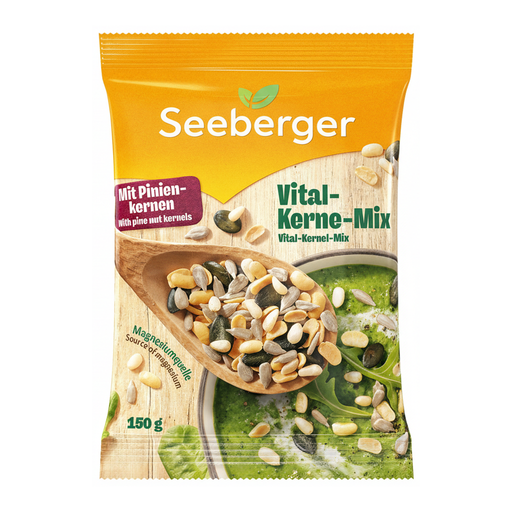
Seeberger Vital Salad Seed & Kernel Mix, 150 g
A seed and kernel mix for anyone looking for a snack or topping. The 150-g pack isn’t a stated single portion. If you have a soya allergy, or are concerned about possible traces of peanuts and tree nuts, check the current labelling. According to the product description, young children may choke on nuts and seeds.
View at Joybuy
 No image available
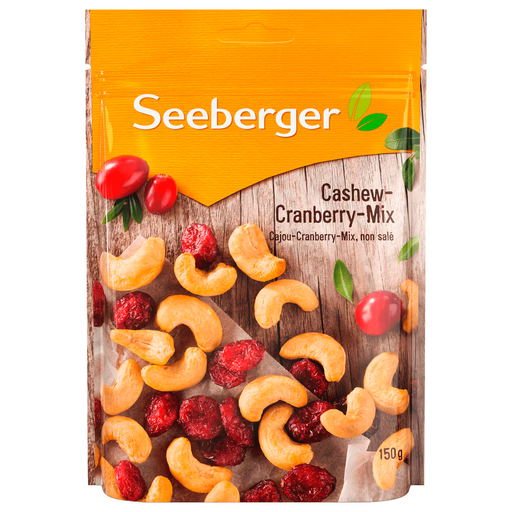
Seeberger Cashew & Cranberry Snack Mix, 150 g
A nut-and-fruit mix for when you’re out and about, combining cashews and cranberries. If needed, portion out some of the 150-g pack. The cranberries contain sugar; the mix contains cashews and may contain traces of other tree nuts and peanuts.
View at Joybuy
 No image available
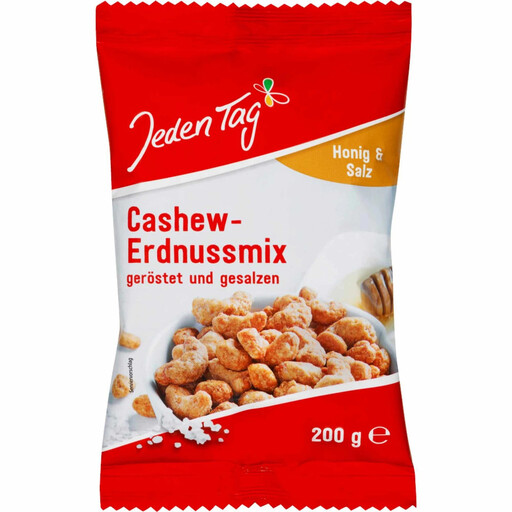
Jeden Tag Honey & Salt Cashew & Peanut Mix, 200 g
A sweet-and-salty cashew and peanut mix for anyone looking for a resealable snack to take on the go. The mix also contains sugar and honey; the product description warns that it may pose a choking risk to young children. Check the allergen labelling before packing it, and portion out an appropriate amount from the 200-g pack.
View at Joybuy
 No image available
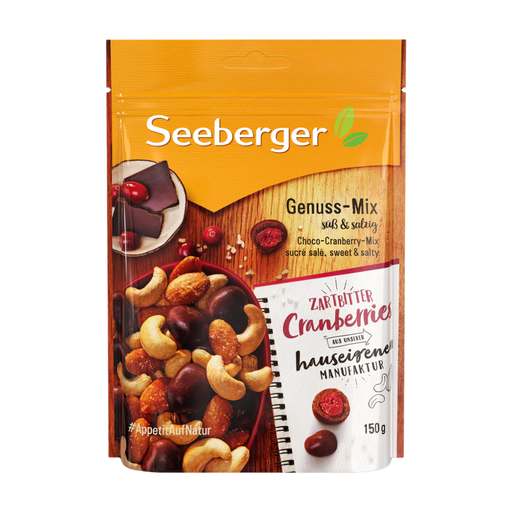
Seeberger Pleasure Nut & Fruit Mix, 150 g
A nut-and-fruit mix with cranberries and chocolate for when you’re out and about. Consider sugar and energy as well as protein when choosing. The 150-g pack isn’t a stated single portion; the mix contains soya, almonds and peanuts, and may contain other tree nuts.
View at Joybuy
 No image available
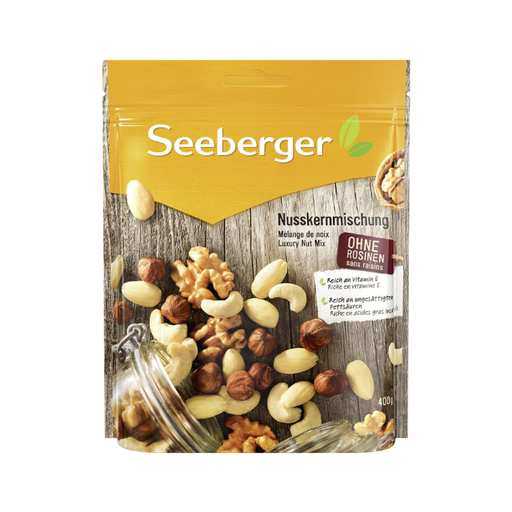
Seeberger Premium Nut Mix Without Raisins, 400 g
A nut mix without raisins, ideal for snacking or adding as a topping. To compare protein content, check the per-100-g value on the pack and portion out some of the 400-g pack. It contains hazelnuts, almonds, cashews and walnuts; it may also contain traces of other tree nuts and peanuts.
View at Joybuy
Frequently asked questions
Do I need a special protein snack for casual exercise?
No, a special protein snack isn’t essential for casual exercise. The Federal Centre for Nutrition considers a balanced diet generally sufficient to meet typical protein requirements, so ingredients, allergens and portion size are important when choosing a snack too.
How can I tell whether a snack mix suits my protein needs?
Compare the stated protein content per 100 g with the amount you actually plan to eat. A “high protein” label doesn’t replace comparing portion sizes or checking the sugar, salt and ingredients list.
Are nut mixes and lentil crisps interchangeable?
No, they’re different types of snacks, each with its own recipe. Lorenz lists 27 g of protein per 100 g for salted Nuts & Fruits peanuts, while funny-frisch lists 13 g per 100 g for Linsen Chips Paprika Style. Portion size, salt and the relevant allergens matter too.
Which allergens should I check before packing a snack?
Read the labelling on the specific pack rather than trying to guess its ingredients from the type of snack. The product examples mentioned include peanuts, tree nuts, milk, soya and wheat, either as ingredients or possible traces.


