
Lieferung heute & morgen

Qualitätsgarantie

Willkommens-Angebote freischalten: KOSTENLOSE Lieferung | Bis zu 80 % RABATT | Kostenlose 30-Tage-JoyPlus-Testphase
App herunterladen
A restful night's sleep is the foundation of any successful adventure, whether you're camping, at a festival, or on the road. An inflatable sleeping pad promises comfort and a compact pack size. However, the market is flooded with products whose marketing claims often fall short in practice. Many users know the disappointment: a pad that loses air overnight, crackles loudly with every movement, or is a hassle to pack up again.
This guide will help you identify the key features and avoid common purchasing mistakes. We focus on the technical facts that truly matter, ensuring your next inflatable sleeping pad or inflatable travel pillow is a worthwhile investment.
Before making a decision, you should evaluate three central aspects. These determine the durability, comfort, and practicality of your gear.
The outer material and inner coating are critical for how long your pad remains airtight and how robust it is against the ground.
The way a pad is filled with air significantly impacts its handling. There are clear differences here.
Which pad is right for whom? The answer often lies in these three metrics.
Instead of making blanket recommendations, we have matched products to specific use cases.
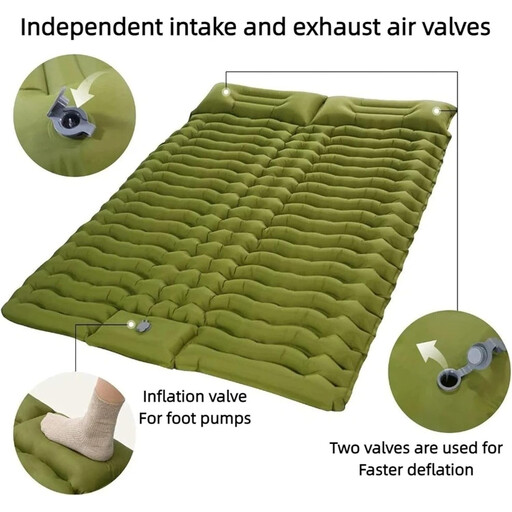
Why This Fits Their Persona: Ideal for couples or small families who travel by car and don't want to compromise on comfort. The generous surface area replaces two single pads and saves space in the tent.
The integrated foot pump eliminates the need for an external pump and prevents moist breath from entering the pad. The dual-layer valve ensures quick deflation without a tedious roll-up process.
2-person sleeping pad with an 8 cm thickness for superior sleeping comfort. The 50D polyester material with a TPU coating is robust and water-repellent.
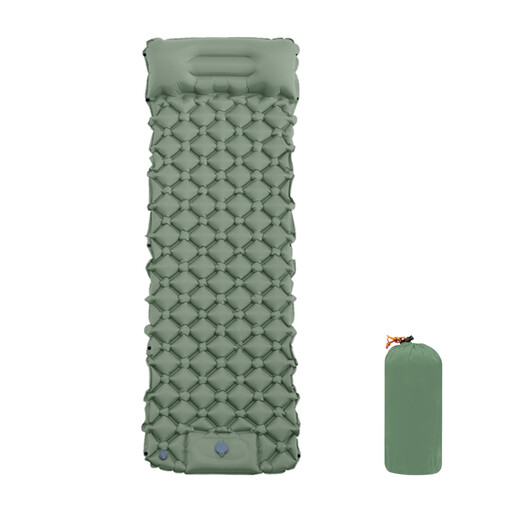
Why This Fits Their Persona: Designed for trekking and backpacking trips where every gram counts. The low weight and extremely small pack size take the strain off your back on long hauls.
Despite its low weight, it doesn't skimp on thickness. The honeycomb structure and 50D nylon with TPU coating offer a great balance of comfort, insulation, and durability without weighing down your pack.
Ultralight sleeping pad weighing only 690 g with a pack size of 26x10 cm. The integrated foot pump allows for rapid inflation in about 30-60 seconds.
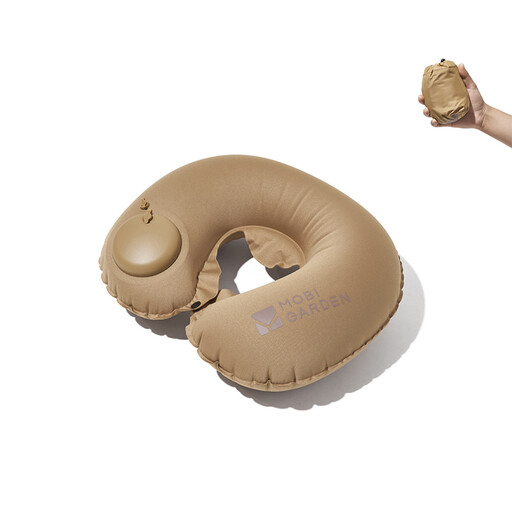
Why This Fits Their Persona: Perfect for long journeys by train, car, or plane, as well as for a quick break at the office. The U-shaped design ergonomically supports the neck and prevents tension.
The innovative press-pump makes unhygienic inflation by mouth obsolete. The pillow can be quickly and discreetly adjusted to the desired firmness. The pack size is minimal.
Lightweight and compact travel neck pillow at only 260 g. The airtight TPU bladder reliably holds pressure, while the 210T polyester fabric is comfortable against the skin.
Besides sleeping pads, the right pillows are also crucial for a restful sleep. We've curated a selection of products that meet our criteria for functionality and durability.
A purely inflatable sleeping pad consists of an airtight shell that must be filled completely with air. It is generally lighter and more compact. A self-inflating sleeping pad also contains an open-cell foam core. When the valve is opened, this core expands and draws in air, providing a base level of inflation. They often offer better insulation and superior comfort but are heavier and bulkier to pack.
To find a small hole, inflate the pad fully and submerge it section by section in water (e.g., in a bathtub). Bubbles will reveal the leak. Alternatively, you can spray the surface with soapy water. Mark the spot, deflate the pad, and dry the area thoroughly. Then, apply a dab of special repair adhesive and press a patch from the repair kit firmly onto it. Let the adhesive cure completely before inflating the pad again.
For long-term storage, it's best to keep your sleeping pad unrolled with the valve open. An ideal place is under a bed or standing behind a wardrobe. This prevents the material, especially the foam in self-inflating models, from being compressed and avoids unnecessary stress on the seams. Avoid storing it in damp basements or hot attics, as extreme temperatures and moisture can damage the material.