
Lieferung heute & morgen

Qualitätsgarantie

Willkommens-Angebote freischalten: KOSTENLOSE Lieferung | Bis zu 80 % RABATT | Kostenlose 30-Tage-JoyPlus-Testphase
App herunterladen
A backpack needs to do more in everyday life than simply provide storage space. School pupils need room for books and A4 documents, while students often look for a laptop compartment, commuters prioritise low weight and professionals value a clear compartment layout. When travelling, dimensions, carrying comfort and suitability as hand luggage are also important.
Many poor purchases result from three common marketing pitfalls:
When choosing a laptop backpack, the stated screen size is not the only factor that matters. Measure your device at its outer edges and compare the measurements with the manufacturer’s specifications. A backpack with a laptop compartment should hold the device securely wherever possible, without allowing it to slide around inside the main compartment while you are carrying it.
A compact model may be sufficient for tablets and smaller notebooks. If you need to carry a 15.6-inch laptop, power supply, documents and accessories, look for a padded compartment and sufficient depth. For larger devices, a model with a designated 17-inch compartment, such as the Inateck RollTop Backpack, may be a suitable option.
A daypack for short journeys generally needs less space than a travel backpack for a weekend away. As a practical guide:
The backpack’s own weight should suit its intended use. According to the product information, the Xiaomi Mi Casual Daypack weighs 165 g and has a capacity of 10 litres. A larger 40-litre travel backpack, on the other hand, may weigh considerably more, but offers additional storage space and organisational features.
Also compare the external dimensions. When travelling by air, the requirements of the relevant airline and the fare you have booked apply. A hand-luggage backpack with suitable dimensions is not automatically accepted by every airline.
Polyester and nylon are widely used materials in the backpack sector. The key factors are the quality of the construction, reinforced stitching, the quality of the zips and the padding on the back and shoulder straps.
A water-repellent backpack can protect you from light rain, provided that the material, seams and fastenings have been designed accordingly. A protection rating such as IPX4, which is specified for the Xiaomi Casual Daypack, describes limited protection against splashing water. It does not replace a waterproof cover during prolonged rain.
For heavier loads, look for:
The following models meet different requirements. The information is based on the respective product descriptions and should be checked against your personal measurements and intended use before buying.
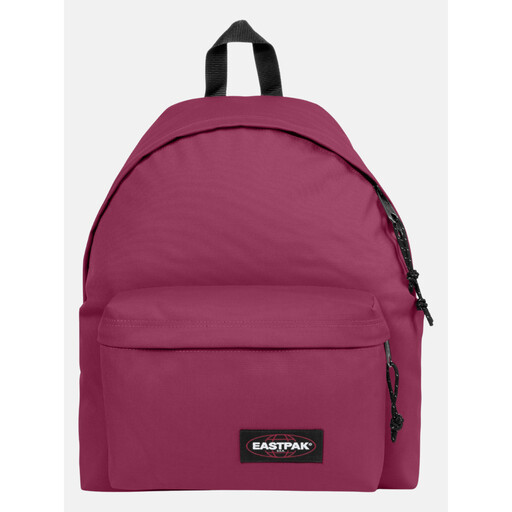
Why this product suits the profile: The 24-litre backpack is designed for school, leisure and everyday journeys and, according to the product information, can accommodate A4 documents.
The specifications provide concrete dimensions, capacity and weight rather than vague capacity claims. According to the description, the backpack weighs 400 g.
Padded back, padded shoulder straps, front pocket and reflective strips on the zips.
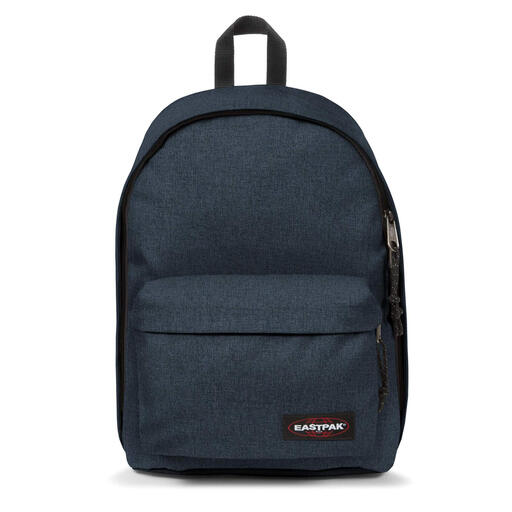
Why this product suits the profile: Its 27-litre capacity and separate compartment for laptops up to 13.3 inches make it suitable for professionals, students and commuters carrying compact technology.
The laptop size is clearly specified, making it easier to check whether your own device will fit before buying.
27-litre capacity, front pocket, padded back panel and shoulder straps. Material: 60% nylon and 40% polyester.
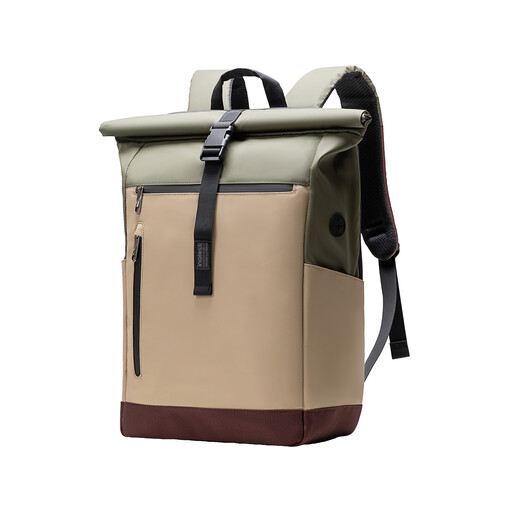
Why this product suits the profile: The flexible roll-top system is designed for university, the office, cycling, sport and weekend trips.
The adjustable height accommodates different loads. Water-repellent material and zips are specified, but the model remains splash-resistant rather than fully waterproof.
25 to 30 litres of capacity, laptop compartment for devices up to 17 inches, two access points and several internal and external pockets.
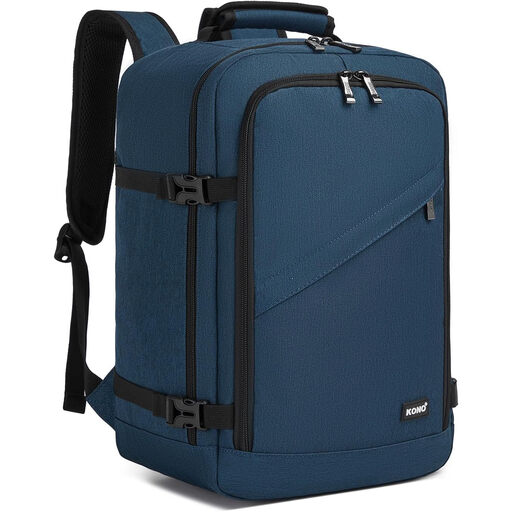
Why this product suits the profile: Its specified dimensions of 40 × 20 × 25 cm and 20-litre capacity are designed for under-seat storage on Ryanair flights.
The external dimensions and weight of 500 g are clearly stated. Before flying, check your fare, route and the airline’s current requirements.
Trolley sleeve, chest strap, padded shoulder straps, suitcase-style opening and several compartments for a laptop and travel documents.
We have put together a complete, regularly updated list of products that fully meet these strict selection criteria and the safety regulations applicable in the EU.
For school, university and the office, 20 to 27 litres is often a practical capacity. If you also need to carry sportswear, shoes or clothing, you can choose a model with 30 litres or more. The key is to avoid permanently overloading the backpack and to adjust the shoulder straps correctly.
No. “Water-repellent” generally means that the surface offers limited protection against light moisture or brief rain. During prolonged exposure to wet conditions, seams, openings and zips may allow water through. For sensitive electronics, an additional waterproof protective cover is recommended.
This depends on the airline, the fare and the permitted storage position. For an under-seat backpack, the external dimensions need to be particularly accurate. A model such as the Kono Cabin Bag is designed around the specific requirement of 40 × 20 × 25 cm, but the airline’s current regulations remain decisive.