
Lieferung heute & morgen

Qualitätsgarantie

Willkommens-Angebote freischalten: KOSTENLOSE Lieferung | Bis zu 80 % RABATT | Kostenlose 30-Tage-JoyPlus-Testphase
App herunterladen
Choosing the right camping gear can be the difference between an unforgettable adventure and a frustrating experience. However, the market is flooded with products making lofty claims that often fail to deliver in practice. Before you invest, it's crucial to understand the most common pitfalls that lead to wasted money and useless equipment.
This guide, compiled by the Joybuy Product Recommendation Officer, focuses on objective criteria to help you identify functional and durable products.
Many buyers are swayed by marketing buzzwords that often obscure more than they clarify. Here are three common problems to watch out for:
To avoid these traps, you should focus on measurable and verifiable features. These three core parameters are essential for making an informed purchasing decision.
The durability of your outdoor gear is largely determined by its materials.
Especially with trekking gear, low weight and a small pack size are important. However, this should not come at the expense of core functionality.
Technical equipment must be reliable and easy to use.
Based on these objective criteria, we have identified several products that are well-suited for specific user profiles.
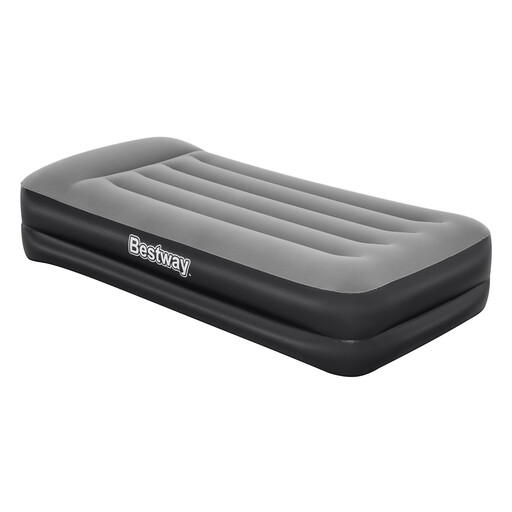
Why this product is a great fit: Ideal for families or car campers who don't want to compromise on sleeping comfort. The 46 cm height provides a comfortable distance from the ground.
It sidesteps the "ultralight" trap by using robust Tritech material, which the manufacturer claims is stretch-resistant and helps maintain its shape. The integrated pump solves the compatibility problem.
The built-in 220-240V AC pump inflates the mattress in about 3 minutes, making setup significantly easier.
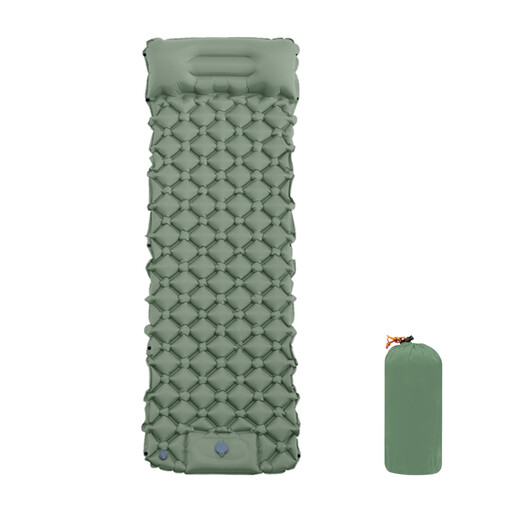
Why this product is a great fit: Designed for trekking and backpacking trips where every gram counts. Its low weight and small pack size make it a hassle-free companion.
The integrated foot pump solves the compatibility issue, as no external pump is needed. The 50D nylon material with a TPU coating offers a good compromise between light weight and durability.
The pack size of just 26 × 10 cm and a weight of approx. 690 g are tangible specs relevant for backpacking. Side snaps allow you to connect two pads together.
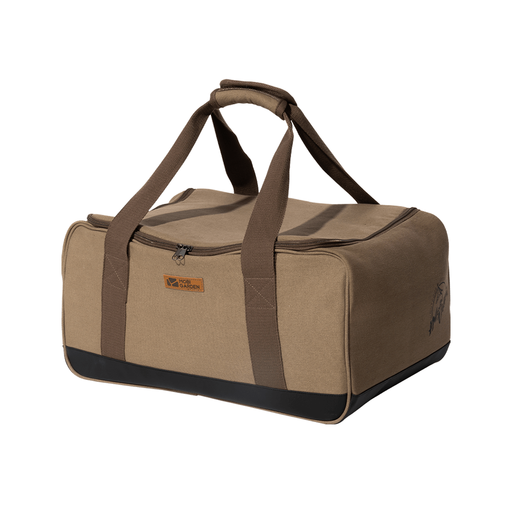
Why this product is a great fit: For anyone who wants to transport their cooking equipment and camping accessories safely and in an organised manner. Its structured shape makes it easy to pack in a car.
It addresses the problem of unprotected gear. The EVA padding protects delicate items, and the waterproof PVC base avoids the pitfall of a soggy bag on damp ground.
Removable dividers allow for a flexible interior layout. The rectangular shape (47 × 28.5 × 23 cm) is space-saving and stackable.
We have compiled a comprehensive, up-to-date list of products that meet these strict selection criteria and current safety standards.
1. How should I store my camping gear properly to extend its lifespan? Clean all equipment after each use and ensure it is completely dry before storing it. Keep it in a cool, dry place away from direct sunlight. Air mattresses should be stored with the valve open and loosely folded or rolled. Always disconnect gas canisters from the stove.
2. What does the R-value on a sleeping pad mean? The R-value measures a material's thermal resistance. Simply put: the higher the R-value, the better the pad insulates you from the cold ground. For summer camping (temperatures above 5°C), an R-value of 1-3 is often sufficient. For three-season or winter use, values of 4 and up are recommended.
3. Can I use a camping stove inside a tent? No, absolutely not. Using a gas stove in enclosed spaces like tents, awnings, or vehicles is life-threatening. The combustion process produces carbon monoxide, which can lead to poisoning. Only operate stoves outdoors and at a safe distance from flammable materials.