
Lieferung heute & morgen

Qualitätsgarantie

Willkommens-Angebote freischalten: KOSTENLOSE Lieferung | Bis zu 80 % RABATT | Kostenlose 30-Tage-JoyPlus-Testphase
App herunterladen
A good smartphone tripod is no longer a luxury, but an essential tool for anyone who wants to do more with their smartphone than just take snapshots. Whether for vlogs, stable video recordings, shake-free family photos, or professional video calls—the right mount makes all the difference. However, the market is flooded with products whose marketing claims often fail to deliver.
Many users invest in a tripod, only to find after a few weeks that it's unstable, the clamp doesn't securely hold their expensive smartphone, or advertised features are useless in practice. This guide will show you which critical features to look for and how to avoid the typical pitfalls when buying.
Before we dive into the technical details, it's important to know the most common weaknesses that often only become apparent after the purchase.
To avoid a bad buy, focus on three objective criteria that determine a tripod's durability and functionality.
A tripod's stability is directly linked to its material and construction.
The way your smartphone is attached determines its safety and your convenience.
Not every tripod is suitable for every purpose. Define your primary use case.
Here are some models tailored to specific user profiles and their needs.
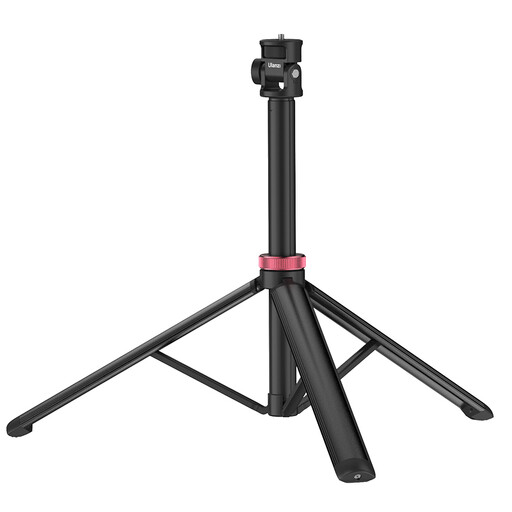
Why This Fits Their Persona: Ideal for vloggers and travelers who need maximum height and flexibility without compromising on stability. It combines the function of a long selfie stick with a full-featured tripod.
It bypasses the instability trap by using an aluminum alloy construction and a wide tripod base, ensuring a secure stance even at a height of over 2 meters.
Impressive maximum height (204 cm) for versatile perspectives. A robust all-in-one solution for smartphones and lightweight cameras (via 1/4" screw).
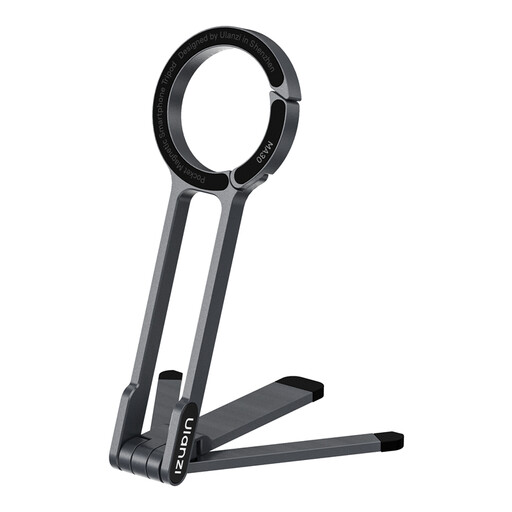
Why This Fits Their Persona: Perfect for users in the Apple ecosystem who want an extremely portable, fast, and straightforward solution. The carabiner design makes it the ideal everyday companion.
It avoids the unreliable clamp trap by using a strong MagSafe mount. Instead of a mechanical clamp, it relies on a secure magnetic connection optimized for compatible devices.
Extremely compact and portable due to its carabiner shape. Quick attachment and detachment of the iPhone thanks to a strong magnetic connection. Serves as a mini tripod, grip, and selfie stick.

Why This Fits Their Persona: For photographers and videographers who want to mount their smartphone in unconventional places. The flexible legs enable shots from perspectives that are unattainable with standard tripods.
It avoids the trap of short-lived gimmicks by using robust, shape-retaining legs designed for repeated bending. The combination with a magnetic head also makes it quick to deploy.
Flexible legs for wrapping around objects. Compact design and the choice of a magnetic or 1/4" screw mount for maximum compatibility.
We have compiled a complete, up-to-date list of products that fully meet these strict selection criteria and all relevant safety standards.
Stability primarily depends on the material and the footprint of the base. Models made from an aluminum alloy with a wide tripod base are significantly more stable than lightweight plastic tripods. As a rule of thumb: the thicker the lowest leg segments and the wider the leg spread, the more stable the tripod will be at its maximum height.
Yes, modern magnetic mounts, especially those compatible with the MagSafe standard, use strong magnets (e.g., N52) that securely hold a smartphone. The magnets are shielded so they do not interfere with the phone's electronics. For maximum security, the smartphone should be used either without a case or with a MagSafe-compatible case.
The price difference is usually reflected in three areas: material quality (aluminum vs. plastic), build precision (stable joints and clamps vs. wobbly components), and durability. A higher-quality tripod offers a more reliable clamp, better stability when extended, and more resilient components that retain their function even with frequent use.