If you have a food allergy, the current ingredients and allergen information on a bagel matter more than a premium look or a single ‘gluten-free’ claim. Also check for possible traces and, when buying loose products, ask about cross-contact. For example, REWE says its gluten-free Poensgen bagel contains gluten-free wheat starch, sesame and sweet lupin flour.
Who should check carefully?
People who need to avoid a specific allergen
Whether sesame, lupin, milk, egg, soya or wheat is an issue for you, the information for the specific bagel is what matters. A single ‘free from’ claim won’t answer questions about all the other ingredients.
People following a gluten-free diet
A gluten-free label can help you narrow down your options. Then check the other ingredients and, where relevant, wheat components against your personal requirements.
People buying bagels from a bakery counter
When buying loose products, you need the allergen information for the specific bagel on offer. If possible cross-contact is a concern for you, ask the retailer how they manage it.
What should you look for when buying?
Start with the ingredients you need to avoid. Then check any additional claims and possible traces for the exact product you’re buying – particularly if you’re switching between packaged and loose products.
| What to check |
What to look for when buying |
Who it matters to |
| Specific allergen |
Read the full ingredients list and check which allergens are highlighted on the current product. |
If I need to avoid sesame, for example, I want to check the ingredients of my chosen bagel carefully. For around 36% of consumers, checking for a specific allergen comes first. |
| Gluten and wheat |
Assess the gluten-free claim separately from wheat components and other ingredients. |
If I want a bagel that fits my gluten-free diet, I also need to take my other exclusions into account. Around 29% of consumers prioritise choosing gluten-free products. |
| Traces and cross-contact |
Check any trace warning and, when buying loose products, ask for the allergen information for the specific product. |
When a bagel is sold loose, I need to find out whether possible cross-contact is compatible with my requirements. For around 21% of consumers, this is the main concern. |
| Current product |
Check the pack in front of you or the current product information, not just the name or older product photos. |
If I’m choosing between bagels with similar names, I need the information for the product that’s actually available. Around 14% of consumers consider this their first priority. |
Common mistakes when choosing
-
Assuming ‘gluten-free’ means ‘free from all allergens’
The claim refers to gluten, not every other ingredient. According to REWE, the gluten-free Poensgen sesame bagel also contains gluten-free wheat starch and sweet lupin flour.
As well as checking the gluten-free claim, read the full ingredients list for anything you need to avoid. Gluten-free and wheat-free are different things, as Schär also explains.
-
Only checking for sesame in a sesame bagel
The variety name doesn’t list every relevant ingredient. EDEKA lists wheat, sesame and soya, among other ingredients, for its GUT&GÜNSTIG sesame bagel.
Read all the allergen information and any trace warnings for the specific product, even if an allergen is already mentioned in its name.
-
Buying loose products without asking about cross-contact
Information about intentionally added ingredients doesn’t automatically tell you whether accidental contact with other allergens is possible. Kamps’ delivery service warns that cross-contamination with sesame, peanuts and tree nuts, among other things, cannot be completely ruled out for loose products.
Before buying, ask for the allergen information for the specific bagel and take your own requirements for managing cross-contact into account.
-
Assuming an old ingredients list still applies to the same product
A similar name doesn’t prove that the recipe is unchanged. Given its changing range, ALDI SÜD advises customers with questions about individual products to check the packaging or contact the supplier named on it.
Check the information against the current packaging or product details every time you buy.
Brands and retailers to help you choose
Product information only applies to the specific variety it describes. A range, recipe or general brand statement is no substitute for checking the labelling on the bagel you want to buy.
REWE
REWE has a product page for Poensgen sesame bagels, described as gluten-free and lactose-free.
- For this variety, the ingredients list includes gluten-free wheat starch, sesame and sweet lupin flour.
- The two ‘free from’ claims don’t mean it’s suitable for people with other allergies.
EDEKA
EDEKA provides product information for a GUT&GÜNSTIG sesame bagel.
- You can check the ingredients and declared allergens for the specific variety.
- According to EDEKA, the declared allergens include wheat, sesame and soya. Check the other information on the specific pack too.
Lidl
Lidl describes its range of freshly baked goods under ‘Our bread’.
- The range information helps you get a sense of the bakery products on offer.
- The only way to tell whether a particular bagel meets your requirements is to check its own allergen information.
ALDI
ALDI SÜD says its product range changes regularly.
- For questions about individual ingredients, ALDI SÜD advises checking the packaging and, where relevant, contacting the supplier named on it.
- That means the labelling on the variety currently on offer matters, not information about an older product range.
Schär
Schär explains the difference between gluten-free and wheat-free and publishes bagel recipes.
- This distinction helps you avoid mistaking a gluten-free claim for a wheat-free one.
- A recipe doesn’t tell you the ingredients or allergens in a separately sold bagel.
Kamps
For Kamps bakery products sold loose, it’s important to check the information for the specific product and the shop selling it.
- For questions about ingredients that may cause allergies or intolerances, Kamps directs customers to its customer service team.
- Kamps’ delivery service warns that cross-contamination with sesame, peanuts and tree nuts, among other things, cannot be completely ruled out when products are sold loose.
Bagel products at Joybuy
This product is a single-portion bagel snack. To decide whether it fits your list of foods to avoid, check the current ingredients and allergen information rather than relying on the product name.
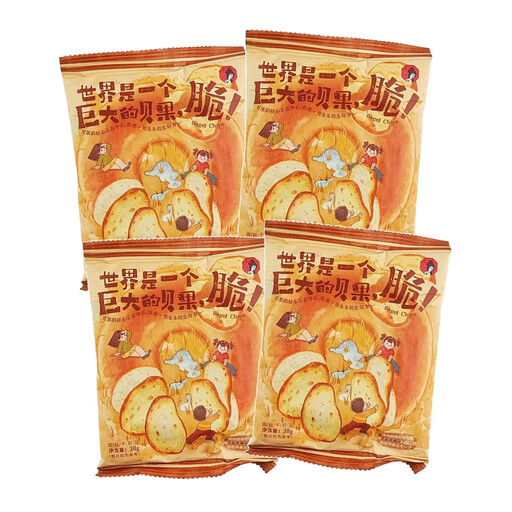 Image unavailable
Modern China Tea Shop World is a huge bagel, crispy, 30 g × 4
The four 30 g portions could suit you if you’re looking for a single-portion bagel snack. If you need to avoid wheat, soya or milk, check the current ingredients list and allergen information against your requirements. Also ask about possible traces if needed.
View at Joybuy
Frequently asked questions
Do allergens have to be listed for bagels sold loose?
Yes. In Germany, mandatory allergen information also applies to food sold loose. The Federal Ministry of Agriculture, Food and Regional Identity lists the 14 most common allergens that must be labelled. Lebensmittelklarheit explains that this requirement applies to allergenic ingredients that have been deliberately added. When buying loose products, ask for the information for the exact bagel you want to buy.
Is a gluten-free bagel suitable if I have a wheat allergy?
Not necessarily: gluten-free and wheat-free describe different things. The gluten-free Poensgen bagel described by REWE contains gluten-free wheat starch, as well as sesame and sweet lupin flour. Check the ingredients of the current variety against the foods you need to avoid.
Is it enough if a bagel has no trace warning?
No. The absence of a trace warning doesn’t guarantee that cross-contact has been ruled out. According to Lebensmittelklarheit, these additional warnings aren’t regulated consistently. When buying loose products, ask the retailer for information about the specific bagel and possible cross-contact.
What should I check when buying a bagel variety again?
Check the current ingredients and allergen information every time you buy, rather than relying only on a familiar name. This is especially important when ranges change regularly. For information about individual products, ALDI SÜD advises checking the packaging and, where relevant, contacting the supplier named on it.


