Campers planning several meals
If you need bagels for more than one breakfast or for several people, consider the pack size and how soon you need to use the contents once opened.


Packaged bagels can be a good option for camping if their storage instructions suit your pitch and you can eat the contents before they go out of date. Toasted or oven-baked varieties require the right equipment, while ready-filled bagels that need refrigeration must be kept chilled at all times. If you have gluten or allergen requirements, always check the label on the specific pack.
If you need bagels for more than one breakfast or for several people, consider the pack size and how soon you need to use the contents once opened.
Check the storage instructions before you buy. A ready-filled bagel that needs to be kept chilled is not suitable as an unrefrigerated supply.
Check the label on the specific variety. As well as cereals containing gluten, ingredients such as sesame, soya, milk or lupin may be relevant, depending on the recipe.
For a camping trip, the quantity you need, storage requirements and ingredients all need to fit your plans. What matters most will depend on your individual requirements.
| Criteria | What to check when buying | Who it matters most to |
|---|---|---|
| Pack size | Weight, number of bagels and instructions on how soon to use them after opening. | If I’m only away for a short time, I don’t want to leave an open pack with leftovers. Around 43% of consumers would consider planning the quantity a top priority. |
| Storage and preparation | Required storage temperature and instructions for toasting, baking or defrosting. | Without reliable refrigeration or an oven, I need a variety whose instructions I can follow at the campsite. For around 43% of consumers, this practical consideration comes first. |
| Ingredients and allergens | Ingredients list, highlighted allergens and any precautionary ‘may contain’ statements on the specific pack. | If I need to avoid certain ingredients, the words ‘gluten-free’ alone aren’t enough to help me choose. Around 14% of consumers would make the labelling their most important purchase criterion. |
Pack sizes vary in weight and number of bagels. Once opened, some products have a short recommended consumption period: REWE advises eating its ja! sesame bagels within two days.
Plan the number of bagels for your group and check the instructions for how soon to eat them after opening before you buy.
You can only follow instructions that call for a toaster or oven at the campsite if you have the appliance and a suitable power supply.
Check the instructions on the pack and make sure they’re compatible with your camping equipment.
REWE says its pretzel bagel with Brie and cranberry should be stored at +2 to +7 °C. This applies during transport, too.
Only take a product like this if you can keep it at the stated temperature throughout your journey.
Gluten-free products may contain other ingredients of concern. The bagels mentioned here, for example, include soya protein, milk protein and lupin flour.
For every variety you buy, read the full ingredients list and check any allergen and ‘may contain’ information that’s relevant to you.
ALDI SÜD sells its own-brand bagels in Classic and Multigrain varieties, both in 340-g packs.
REWE’s own brand sells sesame bagels in a 340-g pack.
EDEKA sells its own-brand sesame bagels in a pack of four, weighing 340 g in total.
The Schär bagels listed by REWE are pre-sliced and labelled gluten-free and lactose-free.
REWE lists gluten-free BenFit High Protein Bagels with nutritional information provided.
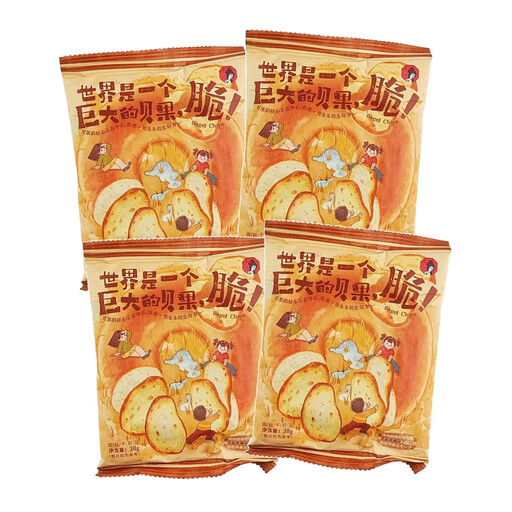
This product is a portioned bagel snack for on the go, rather than a filled bagel or a classic breakfast bagel. Check that its storage requirements suit your campsite.
 No image available
The pack of 4 × 30 g is handy for planning snacks on the go. The storage instructions call for a cool, dry place, so check that you can meet this requirement. If you have any relevant intolerances, check the label for wheat, soya and milk.
Choose a quantity based on the meals you’re planning and how many people will be eating. Also check how soon the bagels should be eaten after opening: REWE recommends eating its ja! sesame bagels within two days.
It depends on the preparation instructions for the variety you choose. EDEKA recommends toasting or baking GUT&GÜNSTIG sesame bagels for 3–5 minutes; before you buy, check you have the equipment you’ll need.
Not if the specific product needs to be kept chilled at all times. REWE gives +2 to +7 °C as the storage temperature for its pretzel bagel with Brie and cranberry.
Check the ingredients list on the specific pack and look for any ‘may contain’ information. Germany’s Federal Office of Consumer Protection and Food Safety explains that ingredients which must be declared as allergens have to be highlighted in the ingredients list. A ‘gluten-free’ label does not replace the need to check for other ingredients.