People who need to avoid a specific allergen
If you need to avoid sesame, milk, soya, lupin or mustard, for example, check the ingredients and precautionary allergen information for each bagel against your own avoidance plan.


For a savoury bagel snack when you have a food allergy, first check that the ingredients and precautionary allergen information fit your avoidance plan. A gluten-free or lactose-free label doesn’t automatically answer questions about sesame, soya, lupin or milk ingredients. If you want to split and toast your bagel, information about whether it is pre-sliced and how to prepare it is more useful than the words “thick cut” without a stated slice thickness.
If you need to avoid sesame, milk, soya, lupin or mustard, for example, check the ingredients and precautionary allergen information for each bagel against your own avoidance plan.
The right label can help you narrow down your choices. Whether a bagel is also suitable if you have other intolerances or allergies depends on its remaining ingredients and allergen information.
Information about whether a bagel is pre-sliced, or instructions for slicing and toasting it, can make it easier to prepare. Don’t assume you know the slice thickness from the words “thick cut” alone.
Start by checking your personal allergen profile. Then compare the labels, preparation instructions and nutrition information for bagels that could be suitable for you.
| Criteria | What to check when buying | Who should take particular care |
|---|---|---|
| Allergens and traces | Check the current ingredients list and any precautionary allergen information against the substances you need to avoid. | If I need to avoid sesame or soya, I want to check this information before considering taste or preparation. Around 36% of shoppers would put checking for their individual allergens first. |
| Gluten and lactose | Check the label on the specific bagel and look at its ingredients too, especially if you have a wheat or milk protein allergy. | If you need to avoid gluten or lactose, start by looking for the relevant label, while still checking for other ingredients. For around 29% of shoppers, this would be their top priority. |
| Splitting and toasting | Check whether the bagel is pre-sliced or comes with instructions for slicing and toasting. | If I want to split my bagel quickly and add a warm topping, I need clear preparation instructions rather than having to guess the slice thickness. Around 21% of shoppers would put ease of preparation first. |
| Nutrition | Compare protein, fibre and salt per 100 g, as well as the actual portion size – but only for bagels that meet your allergen requirements. | Once I know the ingredients are suitable, I want to compare the nutrition information for my snack. For around 14% of shoppers, this would be their main selection criterion. |
The Schär gluten-free bagel listed on REWE.de contains soya protein and carries a warning about possible traces of mustard. The Poensgen gluten-free bagel contains sesame and sweet lupin flour.
Filter by the substances you specifically need to avoid, then read the full label for each product.
REWE.de lists the BenFit High Protein Bagels as containing 16 g of protein per 100 g. They also contain milk protein, sesame and sweet lupin flour, and may contain traces of egg, soya and nuts.
Only compare nutritional values between bagels whose ingredients and allergen information fit your avoidance plan.
Without a specific measurement, you can’t tell how thick the bagel halves or slices actually are from this description.
When deciding whether a bagel is suitable for splitting and toasting, look for information about whether it is pre-sliced and check the product’s preparation instructions.
Lebensmittelklarheit distinguishes between the compulsory labelling of allergenic ingredients deliberately added to a product and additional warnings about possible traces, which are not regulated in the same way by law. These warnings can still be important when making a personal choice.
Take any precautionary allergen information into account in line with your individual avoidance plan; don’t treat the absence of a warning as a general all-clear.
The information below applies to specific products listed on REWE.de, not to every bagel made by each brand.
The listed bagel is described as gluten-free, lactose-free and wheat-free, and is pre-sliced.
The listed sesame bagel is described as gluten-free and lactose-free.
REWE.de lists the High Protein Bagels as containing 16 g of protein per 100 g.
The listed brioche bagel is only an option if its ingredients fit your personal allergen profile.
Instructions for the listed sesame bagel explain how to slice and toast the halves.
This portion-sized bagel is only suitable for a savoury snack if wheat, soya and milk aren’t among the substances you need to avoid. For your preferred way of preparing it, also check its shape and the information on the current packaging.
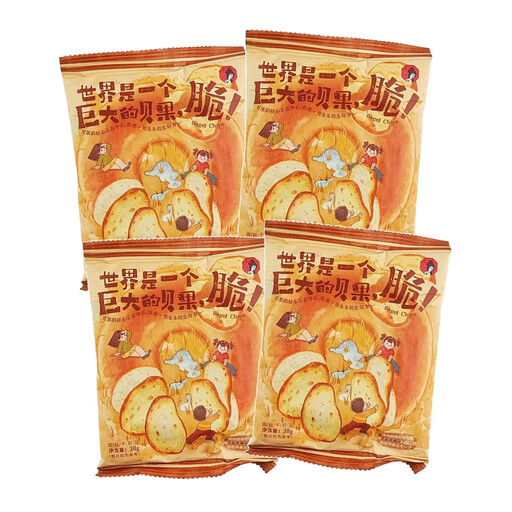 Image unavailable
A portion-sized bagel snack, provided you don’t need to avoid wheat, soya or milk.
Pack of 4 × 30 g. This bagel isn’t suitable if you have an allergy to any of these ingredients; before buying, also check the current ingredients and precautionary allergen information against your avoidance plan. Check its shape if you want to slice and toast it.
No. Gluten-free labelling tells you nothing about other allergens. The Schär bagel listed on REWE.de contains soya protein and may contain traces of mustard; the listed Poensgen bagel has sesame and sweet lupin flour in its ingredients list. Check every product against your own avoidance plan.
Under EU Implementing Regulation 828/2014, a food labelled “gluten-free” must contain no more than 20 mg/kg of gluten in the finished product. This label doesn’t replace a check of the other ingredients; in particular, if you have a wheat allergy, you should check the ingredients list separately.
No. According to Lebensmittelklarheit, compulsory allergen labelling applies to ingredients deliberately added to a product; additional warnings about possible traces aren’t regulated in the same way by law. Take these warnings into account as part of your individual avoidance plan.
Check the preparation instructions for the specific product. The Schär bagel listed on REWE.de is pre-sliced, while the instructions for the listed ja! bagel explain how to slice and toast the halves. Also check the ingredients in any topping you plan to use for allergens you need to avoid.