Anyone planning a tasty meal for one
You want to choose toppings to suit a bagel for breakfast, lunch or a snack. Whether you go for a dense sesame bagel, soft brioche or a pretzel-style bagel depends on the flavour and texture you’re after.


For a special meal featuring just one bagel, first choose the flavour you want, then think about what you’ll do with the rest of the pack. Classic sesame bagels, buttery brioche bagels and individually frozen bagels each suit different preferences. If you have specific dietary requirements, check the ingredients and allergen information for the product you’re considering too.
You want to choose toppings to suit a bagel for breakfast, lunch or a snack. Whether you go for a dense sesame bagel, soft brioche or a pretzel-style bagel depends on the flavour and texture you’re after.
You might be looking for a product labelled gluten-free or lactose-free, or comparing protein content. What matters is the information for the specific bagel, including its ingredients and allergen details.
You only need one bagel now and would like to use the rest later. The number of bagels, storage advice for opened packs and whether you can freeze them will all influence your choice.
First decide what kind of bagel you’d like for your meal. Then check that the ingredients, pack size and preparation method suit your needs.
| What to consider | What to check before buying | Who it matters most to |
|---|---|---|
| Flavour and texture | Compare the product name and ingredients: sesame bagels, buttery brioche and pretzel-style bagels all work with different toppings. | I want a bagel whose flavour goes well with the toppings I’ve planned for breakfast or lunch. Around 31% of consumers put flavour first when making this choice. |
| Dietary requirements and allergens | Check the product’s specific labels, ingredients and allergen information; compare nutritional values per 100 g if needed. | If I need to avoid certain ingredients, a single label such as “gluten-free” isn’t enough. For around 31% of consumers, requirements like these are the top priority when choosing. |
| Pack size and storage | Check how many bagels are in the pack and the storage advice once it’s opened; see whether you can freeze any leftovers. | I’m only having one bagel today and want to make good use of the rest later. Portion planning comes first for around 23% of consumers. |
| Preparation time and effort | Check whether the bagel needs to be toasted, baked or defrosted first, and what equipment you’ll need. | If I want my meal to be ready quickly, the preparation involved is what matters most. Around 15% of consumers make this their top priority. |
A gluten-free bagel can still contain other ingredients you may need to avoid. The Schär bagels described by REWE contain soya protein; the BenFit product listed there includes milk protein, sesame and sweet lupin flour, among other ingredients.
Read the current ingredients list and allergen information for the exact product. Check for “may contain” warnings too, if they’re relevant to your choice.
If you’re planning just one meal, you’ll have bagels left over from a pack containing several. For the Schär bagels described by REWE, the advice after opening is to reseal the pack and use the bagels within a few days, or freeze them straight away.
Compare the number of bagels and the storage advice on the pack before choosing between a multipack and an individual bagel.
The REWE Beste Wahl Brioche Bagel is described as a butter-enriched yeast pastry. Its ingredients and flavour are therefore different from those of the classic sesame bagel described by EDEKA.
Choose a variety to suit your planned toppings and check the product name, rather than deciding based on shape alone.
An individually frozen bagel may need more time than one that only needs a quick toast. The pretzel-style bagel listed by REWE needs to defrost for 15–30 minutes, then bake for 2 minutes.
Check the preparation instructions against the time you have and the kitchen equipment available to you.
EDEKA describes its sesame bagels as a classic California-style variety, with four bagels in a twin pack.
The brioche bagel is a butter-enriched yeast pastry for a meal where you’d prefer a softer texture and a sweeter flavour.
The bagels described by REWE are labelled gluten-free, lactose-free and vegan. They’re pre-sliced and come as four portions.
The gluten-free High Protein Bagel listed by REWE may suit you if you’d like to compare stated protein content.
The poppy seed bagels described by REWE are labelled gluten-free and lactose-free, and come in a 150-g pack.
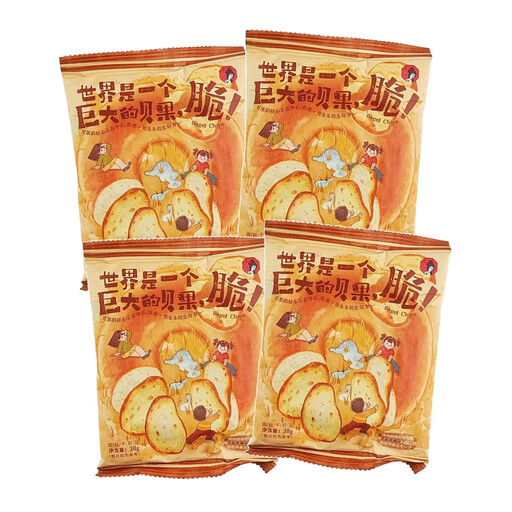
For a small meal for one, this bagel product comes in four portions of 30 g each. Before buying, check the current product labelling and preparation instructions, especially if you have a particular type of bagel in mind or need something quick to prepare.
 No image available
The four 30 g bagels can be portioned out for individual meals. Any left over should be stored in an airtight container once the pack has been opened.
The product information lists wheat flour, soya beans and milk powder. If you have specific dietary requirements, check the current ingredients list, exact labelling and preparation instructions.
No, you need to check these details for each bagel. The Schär bagels described by REWE are labelled gluten-free, lactose-free and vegan, but contain soya protein; the BenFit bagel, which is also gluten-free, contains milk protein.
Check the ingredients list for the specific product and the allergens highlighted there. The German Food Federation explains that allergens which must be declared are listed as ingredients; a voluntary “may contain” warning, on the other hand, refers to possible accidental traces.
Follow the storage advice on the pack. For the Schär bagels described by REWE, the recommendation is to reseal the pack after opening and use the bagels within a few days, or freeze them straight away.
No. The German Food Federation says the best-before date isn’t an automatic throw-away date, provided the bagel has been stored as instructed. Check it carefully after the date has passed, and don’t eat it if you spot mould or other signs of spoilage.
An individually frozen bagel may suit you if you only want to prepare one and don’t want to store an opened multipack. Allow time for preparation: the pretzel-style bagel listed by REWE needs to defrost for 15–30 minutes, then bake for 2 minutes.