What should you look for when buying?
First, decide how many portions you'll need once the pack is open. Then compare the preparation instructions and ingredients: a bagel, a small loaf and bake-at-home portions all call for different kinds of planning.
| What matters when buying |
What to check |
Who it's important to |
| Portions and freshness |
Compare the quantity and the advice on how soon to eat the product after opening with your planned snack days. Check whether you can store or freeze any leftover portions of bread. |
On days when I only need a few snacks, I don't want to open a larger pack than I can use in time. For around 46% of consumers, planning quantities and freshness is the main priority. |
| Quick preparation |
Check whether the product needs slicing, toasting or baking, and whether you have the right appliance. |
If I need to prepare several holiday snacks without spending long in the kitchen, easy-to-handle individual portions are my top priority. Around 36% of consumers share this preference. |
| Ingredients and allergens |
Read the ingredients list and allergen information for each option; only rely on gluten-free or wheat-free claims for the specific product. |
If we need to avoid certain ingredients, I check the label before deciding which bread products are suitable. This check is the top priority for around 18% of consumers. |
Toast bread portions for holiday snacks at Joybuy
These two toast breads are small-format alternatives for planning holiday snacks, not bagels. Compare the stated quantity with what you need; a smaller format doesn't automatically mean you'll have less left over.
 No image available
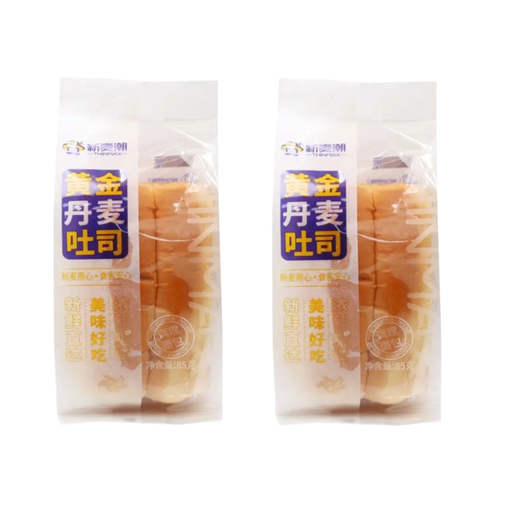
Thinmax Golden Danish Toast, 2 × 85 g
If your snack needs vary during the holidays, the pack size of two 85 g portions may help you plan. Before buying, check the ingredients and storage instructions on the packaging, especially if you won't need both portions straight away.
View at Joybuy
 No image available
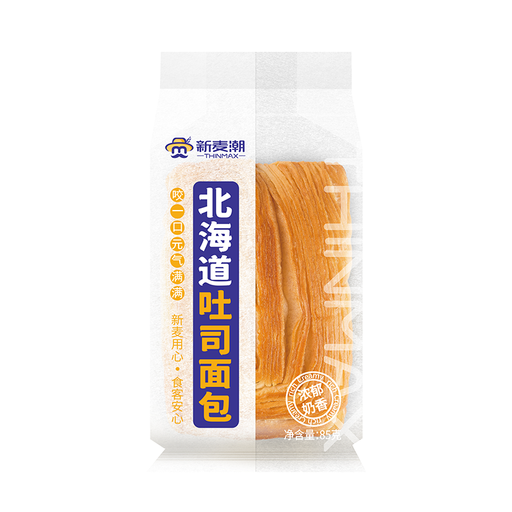
Thinmax Hokkaido Toast Bread, 85 g
This format is an option for a snack occasion when 85 g of toast bread is the right amount. Follow the advice on eating it after opening, and if you have an allergy, check the label on the specific pack.
View at Joybuy
Frequently asked questions
Will bagels or a small loaf mean less waste?
Neither format automatically prevents leftovers. What matters is how much you use before it goes stale, or whether you freeze it in time. The German consumer advice centre recommends freezing bread and rolls in portions if needed.
How should I store bread and opened bagels over several days of the holiday?
First, follow the instructions on the pack; for its ja! sesame bagels, REWE advises eating them within two days of opening. According to the German consumer advice centre, bread and rolls should be stored at room temperature in a dry place, away from light. You could freeze portions of bread that you plan to use later.
Do packaged bagels need baking before I add toppings?
It depends on the product and its preparation instructions. For its ja! sesame bagels, REWE suggests toasting the halves after slicing them, or briefly heating them in the oven. Don't assume the same instructions apply to other bagels without checking.
What should I look out for in the ingredients and allergen information?
Check the ingredients list and allergen information on the specific pack before choosing an option. The bagel examples mentioned contain wheat and sesame, among other ingredients; with gluten-free bread alternatives, other ingredients or warnings about possible traces may also be relevant.
Can I still eat bread after its best-before date?
The German consumer advice centre explains that going past the best-before date doesn't automatically mean unopened bread that has been stored correctly is no longer safe to eat. Check its condition; if you can see mould, throw away the whole loaf.


