Small households looking to avoid leftovers
If just one or two people in your household eat bagels, the number in the pack, guidance for storing an opened pack and whether you can freeze them in portions all matter.


For a small household, the key question when buying bagels isn’t so much where to find a “half loaf” as how many you can eat or freeze once the pack is open. EDEKA lists four sesame bagels per pack, REWE advises eating its opened ja! sesame bagels within two days, and ALDI SÜD labels its GOLDÄHREN seeded bagels as suitable for freezing.
If just one or two people in your household eat bagels, the number in the pack, guidance for storing an opened pack and whether you can freeze them in portions all matter.
If you want to prepare bagels in a toaster or oven, check that the instructions for your chosen variety suit the appliances you have.
If you need to avoid wheat, sesame, soya, milk or egg, always check the labelling on the specific pack. Sesame and brioche bagels have different ingredients.
First, check whether the pack size suits how many you’ll eat. Then use the preparation instructions, ingredients list and nutritional information to help you choose between varieties.
| Criteria | What to check when buying | Who it matters most to |
|---|---|---|
| Portions and storage | Check the number of bagels and the advice for storing an opened pack; if you’re stocking up, see whether they’re suitable for freezing. | If I only eat a few bagels, I want to be able to plan what to do with the rest rather than throw them away. Avoiding food waste is the main priority for around 36% of consumers. |
| Preparation | Check whether the variety is intended for a toaster or oven, and how long it should take. | Before breakfast, I want to know whether my appliance is suitable for preparing them. Around 29% of consumers say an easy routine is their top priority. |
| Ingredients and allergens | Read the ingredients list, highlighted allergens and precautionary allergen information for the exact variety. | If I need to avoid certain ingredients, the variety name alone isn’t enough. Around 21% of consumers would check the ingredients first. |
| Flavour and nutrition | Choose varieties to suit your preferred flavour, and compare sugar, fat, protein and fibre per 100 g and per portion eaten. | When choosing between sesame, seeded and brioche bagels, I want to weigh up flavour and nutritional values. For around 14% of consumers, this is the main criterion. |
EDEKA lists four sesame bagels per pack. For a small household, the number of meals a pack can provide matters just as much as its weight; REWE advises eating opened ja! sesame bagels within two days.
Before buying, think about how many you’ll eat soon. If you want to keep some for longer, look for a variety specifically labelled as suitable for freezing.
REWE Beste Wahl Brioche Bagel contains egg, butter, milk ingredients and wheat, among other things. REWE lists 12 g of sugar and 8,9 g of fat per 100 g.
Compare the ingredients list and nutritional information per 100 g, and also consider how much you’re likely to eat.
The information for ja! and GUT&GÜNSTIG sesame bagels lists soya as well as wheat and sesame. The brioche bagel mentioned above also contains egg and milk ingredients.
Read the allergen and precautionary allergen information on the current pack of the specific variety. If you’re buying loose products, ask for the allergen information.
Bread and rolls can dry out and go stale more quickly in the fridge. The Verbraucherzentrale generally recommends storing them at room temperature in a dry place away from light.
Follow the storage advice on the pack and freeze any bagels you won’t need soon. In very warm, humid weather, a different storage method may help prevent mould.
REWE sells ja! sesame bagels in a 340-g pack.
EDEKA describes its sesame bagels as a pack of four.
ALDI SÜD sells GOLDÄHREN seeded bagels in a 340-g pack.
This brand includes a brioche bagel as an alternative to the sesame and seeded varieties mentioned above.
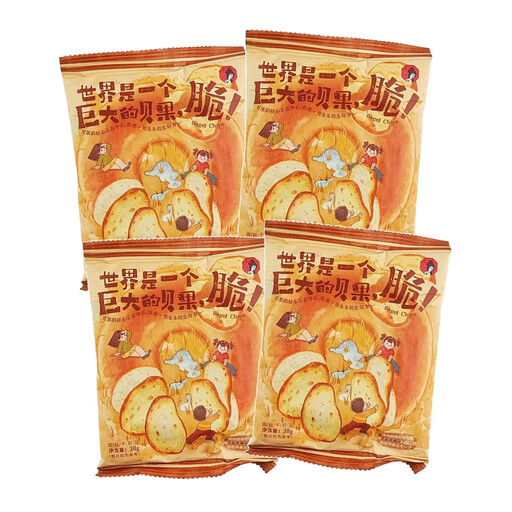
The product below is described as a crunchy bagel snack in four 30-g portions. If you’re looking for classic bagels to toast or bake, check the exact product type before buying.
 No image available
The stated quantity of 4 × 30 g may be handy if you only need small portions. Before buying, check the exact product name and variety. To plan for leftovers, also check the pack’s advice on storage after opening and freezing.
Focus on the number of bagels and how you can store them, rather than looking for a “half loaf”. EDEKA lists four sesame bagels per pack. If you won’t eat them all soon, check whether they’re suitable for freezing and read the advice for storing an opened pack.
Follow the storage instructions on the pack, and freeze any bagels you won’t need soon if the variety is suitable. The Verbraucherzentrale generally recommends keeping bread and rolls at room temperature in a dry place away from light; REWE advises eating opened ja! sesame bagels within two days.
For unopened products stored correctly, passing the best-before date doesn’t automatically mean they’re no longer safe to eat. The Verbraucherzentrale makes a clear distinction between a best-before date and a use-by date; bread or baked goods with visible mould should be thrown away in their entirety.
Check the ingredients and highlighted allergens, the best-before or use-by date, and the storage and preparation instructions. To compare varieties, read the nutritional information per 100 g and take into account the portion you’ll actually eat.