
Lieferung heute & morgen

Qualitätsgarantie

Willkommens-Angebote freischalten: KOSTENLOSE Lieferung | Bis zu 80 % RABATT | Kostenlose 30-Tage-JoyPlus-Testphase
App herunterladen
Opting for a bagless vacuum cleaner seems simple at first: no recurring costs for bags and a more eco-friendly way to clean. However, the market is flooded with models whose performance claims often don't hold up in practice. Many buyers find that the suction power diminishes after just a few months or that handling is cumbersome. This guide shows you which critical features to look for to make an informed decision and sidestep common purchasing traps.
Advertisements often focus on high wattage or vague promises about filters. But a model's true weaknesses only become apparent in everyday use.
To avoid a bad purchase, you should focus on verifiable technical features rather than trusting vague marketing messages.
A high-performance filtration system is the core of a good bagless vacuum, especially for allergy sufferers and households with pets. Look for the following specifications:
The actual cleaning performance is not determined by motor power (watts) alone, but by the interplay of airflow and separation technology.
Instead of making a one-size-fits-all recommendation, we have selected models tailored to specific user profiles and their requirements.
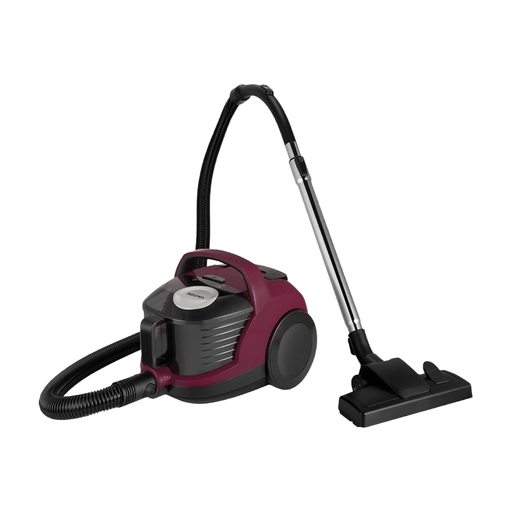
Why This Fits Their Persona: This model offers a solid set of features for small to medium-sized homes. It's compact, lightweight, and combines adequate performance with the essential features of a modern bagless appliance, without breaking the bank.
Instead of vague promises, this appliance offers a specified, washable HEPA-12 filter. This is a clear, verifiable specification that minimises running costs and makes filter performance transparent.
The 1.8-litre dust container is generously sized for a compact device. The Eco-Cyclone technology ensures efficient dust separation.
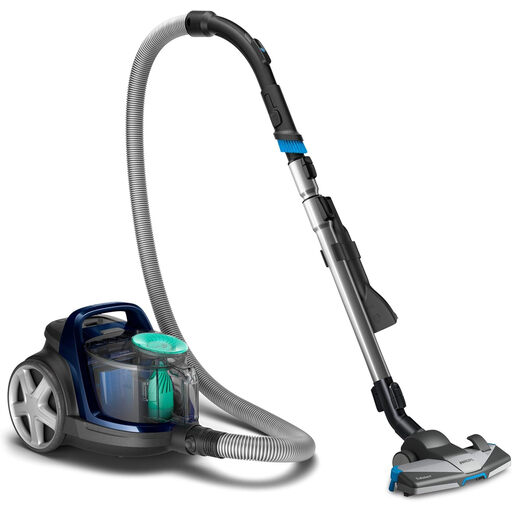
Why This Fits Their Persona: This model is designed for the challenges of a busy household with various floor types and pet hair. It combines high performance with specialised accessories and an advanced filtration system.
The device counters suction loss with its PowerCyclone 7 technology and the filter trap with a clearly declared Allergy H13 filter. The included Super Turbo brush is a practical solution for the pet hair problem, rather than just offering a generic nozzle.
The combination of the TriActive+ nozzle for general floors, a parquet nozzle, and the Super Turbo brush offers great flexibility. The Power Control function allows you to adjust the suction power for delicate surfaces.
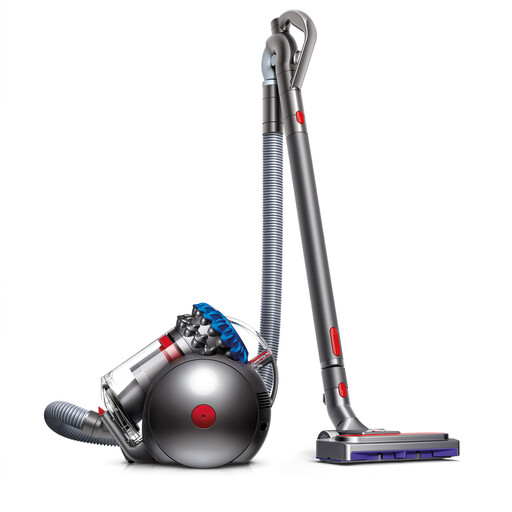
Why This Fits Their Persona: For users who value advanced technology, thoughtful design, and superior ease of use. This model is aimed at those seeking a comprehensive cleaning solution for the entire home and who are willing to invest in durability and efficiency.
The Radial Root Cyclone technology with 19 cyclones is specifically designed to capture microscopic particles, thereby minimising suction loss. The hygienic bin emptying mechanism also solves a common handling problem with bagless models.
The Big Ball technology, which allows the device to self-right if it topples, enhances user comfort. The extensive range of accessories, including a turbine head with carbon fibres, covers every conceivable cleaning task.
We have compiled a complete, up-to-date list of products that fully meet these strict selection criteria and German safety regulations.
1. How often do I need to clean the filter on a bagless vacuum cleaner? The frequency depends on the model and your usage. For devices with washable filters, cleaning is generally recommended every one to three months. Some advanced models with highly efficient cyclone technology, like the Dyson Cinetic series, even claim to require no filter maintenance at all. Always follow the manufacturer's specific instructions.
2. Does a bagless vacuum cleaner lose suction power over time? A loss of suction is one of the main concerns. With basic models, this can happen quickly due to clogged filters. However, devices with advanced cyclone technology are designed to effectively remove dust and dirt from the airflow before it reaches the filter. This ensures significantly longer-lasting suction power. Regular emptying of the bin and maintenance of the filters are crucial to maintaining performance.
3. Is a bagless vacuum cleaner suitable for allergy sufferers? Yes, many models are very well-suited for allergy sufferers, provided they meet two criteria: First, a highly effective, sealed filtration system with a HEPA-13 filter or higher, which reliably traps allergens in the exhaust air. Second, a hygienic bin emptying mechanism that minimises contact with the collected dust. Models that combine these two features can noticeably reduce the allergen load in the ambient air.