
Lieferung heute & morgen

Qualitätsgarantie

Willkommens-Angebote freischalten: KOSTENLOSE Lieferung | Bis zu 80 % RABATT | Kostenlose 30-Tage-JoyPlus-Testphase
App herunterladen
Choosing a bagless vacuum cleaner seems simple at first glance: no running costs for bags and a more eco-friendly way to clean. But the market is filled with models whose marketing promises often create more confusion than clarity. Many buyers soon find that their new appliance loses suction power, pollutes the air with fine dust, or has a bin that is cumbersome to empty.
This guide will help you navigate the typical pitfalls. We focus on the objective criteria that truly matter, so you can make an informed decision.
Before we dive into the key features, let's highlight two common marketing traps that often lead to a poor purchase:
To avoid these pitfalls, you should focus on three core technical parameters. These determine your appliance's performance, longevity, and ease of use.
For households with allergy sufferers, children, or pets, a high-quality filter system is essential. A vacuum with a HEPA filter (High-Efficiency Particulate Air) is the standard here. These filters are capable of removing 99.95% of all particles like pollen, dust mite droppings, mould spores, and fine dust from the exhaust air. The result is noticeably cleaner indoor air. Look for washable pre-filters (e.g., foam filters) to extend the life of the main filter and keep operating costs low.
Modern bagless vacuums use cyclonic technology to separate dust and dirt from the airflow using centrifugal force. Coarse particles land directly in the dustbin, while the air continues on to the filters. This prevents the filters from clogging quickly and ensures longer-lasting, consistent suction power. Models with advanced cyclonic technology offer efficient dust separation and simplify maintenance.
Two factors that are often underestimated but crucial in daily use are the operating noise level and the operating radius.
Based on the objective criteria mentioned above, we have identified models for different user profiles.
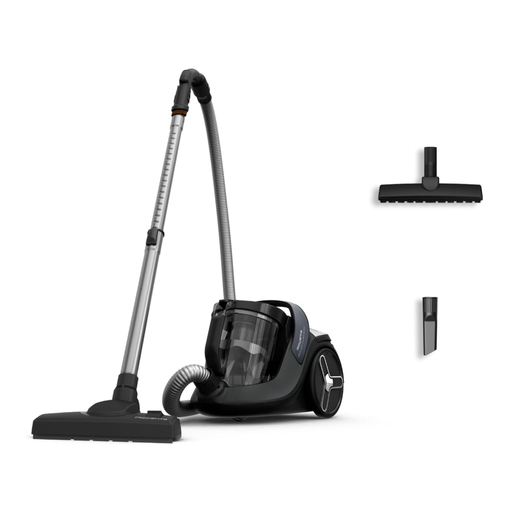
Why this model fits: This classic canister vacuum is a great choice for households that value air hygiene and versatility. It is equally suitable for hard floors and carpet, making it a reliable all-rounder.
The model relies on an energy-efficient Effitech motor instead of high wattage. The integrated HEPA filter ensures high filtration performance and prevents fine dust from being released back into the room's air.
Large operating radius of 9 metres for fewer interruptions. At 68 dB, it's a comparatively quiet vacuum cleaner. The 2.5-litre dustbin capacity is sufficient for multiple cleaning sessions.
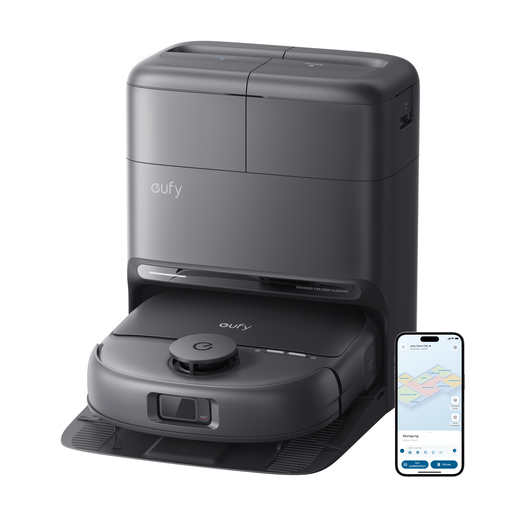
Why this model fits: For those who want a clean home without the manual effort. This device fully automates floor cleaning, combining vacuuming and mopping for a comprehensive result.
This model completely bypasses the pitfall of manual labour. Instead of dealing with cords and nozzles, its AI-powered navigation does the work. The self-cleaning station also minimises maintenance.
Combined vacuuming and mopping function. Smart obstacle avoidance and app control for maximum command. The station automatically cleans the mop and empties the dustbin.
We have compiled a complete, up-to-date list of products that fully meet these strict selection criteria and German safety regulations.
1. How often do I need to clean the filter of a bagless vacuum cleaner?
This depends on the filter type and frequency of use. For models like the Rowenta RO7C36, there are typically two types of filters:
2. Are bagless vacuum cleaners really cheaper in the long run?
In most cases, yes. The initial purchase cost may be slightly higher, but you save on the running costs of vacuum bags, which add up over the years. The only potential follow-up costs are the occasional replacement of filters, which is required much less frequently than buying bags.
3. What is the difference between single-cyclone and multi-cyclone technology?
Both technologies separate dust using centrifugal force.