
Lieferung heute & morgen

Qualitätsgarantie

Willkommens-Angebote freischalten: KOSTENLOSE Lieferung | Bis zu 80 % RABATT | Kostenlose 30-Tage-JoyPlus-Testphase
App herunterladen
Choosing a bagless vacuum cleaner seems simple at first glance: no recurring costs for bags and more modern technology. However, the market is flooded with devices whose marketing promises often don't hold up in practice. Many buyers find that after just a few months, the suction power diminishes, emptying the canister is a dusty affair, or the appliance is unsuitable for their needs. As your Joybuy Product Recommendation Officer, I'll help you identify the crucial features and avoid common purchasing traps.
Before we dive into the important technical details, let's look at the three most common issues that lead to dissatisfaction.
To make an informed decision, you should focus on three technical aspects that largely determine the performance and longevity of a bagless vacuum cleaner.
The heart of any good vacuum for allergy sufferers is its filtration system. Look for models with a HEPA filter (High-Efficiency Particulate Air). These filters are capable of removing even the smallest particles like pollen, dust mite droppings, and fine dust from the exhaust air.
A high-quality filtration system is not only relevant for allergy sufferers but also for households with pets to effectively capture pet hair and dander.
A bagless canister vacuum typically uses cyclone technology to separate dust and dirt from the airflow using centrifugal force.
The daily handling of the device determines whether you will be satisfied with it.
Here are some models tailored to different needs and households that meet the criteria mentioned above.
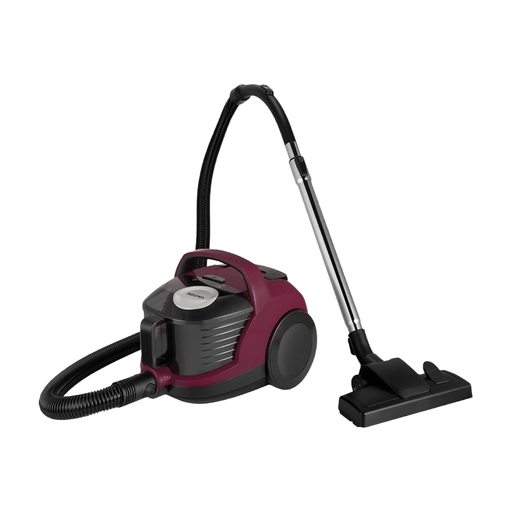
Why this model is a good fit: It offers a solid basic package for daily cleaning in small to medium-sized apartments. It focuses on essential functions without costly extras.
Instead of making exaggerated claims, this model offers a clear 800-watt performance combined with a washable HEPA 12 filter. Maintenance is transparent and cost-effective.
The generous dust canister volume of 1.8 litres is remarkable in this price range and reduces the frequency of emptying. The Eco-Cyclone technology ensures good dust separation.
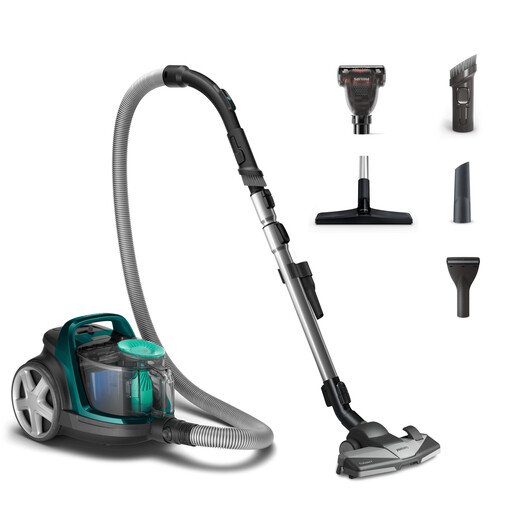
Why this model is a good fit: Designed for households with high demands for air purity. The combination of strong filtration and specialised accessories is ideal for eliminating allergens and pet hair.
This model places a clear focus on filtration. According to the manufacturer, the HEPA 13 filter captures over 99.9% of fine dust. Performance is defined by the effective PowerCyclone technology, not just the wattage.
The included Super Turbo brush is specially designed for picking up pet hair from carpets. The dust canister is designed for hygienic one-handed emptying.
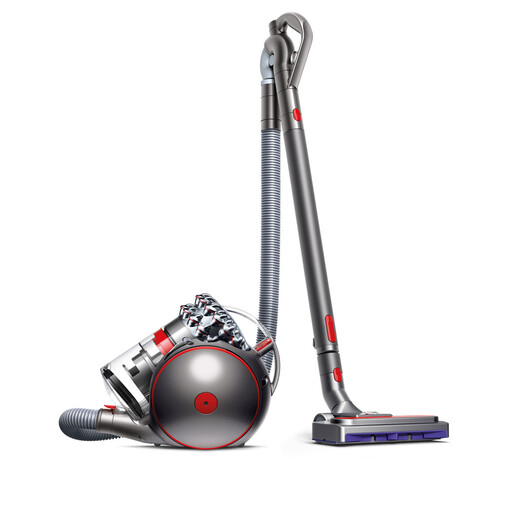
Why this model is a good fit: For users who value advanced technology, high user comfort, and minimal maintenance. It offers a solution for almost any cleaning task in the home.
Dyson Cinetic technology is designed to capture microscopic dust without needing filters to be washed or replaced. This directly addresses the trap of hidden maintenance and loss of suction.
The Big Ball technology, which allows the device to self-right when toppled, and the extensive accessory set, including a Tangle-free Turbine tool, offer exceptional comfort and flexibility.
We have compiled a full, up-to-date list of products that fully meet these strict selection criteria and German safety regulations.
1. How often should you clean the filter on a bagless vacuum cleaner? The frequency depends on the model and usage. For washable filters, most manufacturers recommend cleaning them every one to three months. A look at the user manual will provide exact information. It is important to only reinsert the filter when it is completely dry.
2. Does a cyclone vacuum lose suction power over time? A key advantage of cyclone technology is the maintenance of constant suction power. A loss of suction in these devices is almost always due to a clogged filter or a blockage in the hose or nozzle. Regular maintenance, especially cleaning the filters, is therefore crucial for consistently good performance.
3. Is a bagless vacuum really better for allergy sufferers? A bagless vacuum cleaner can be an excellent choice for allergy sufferers, provided it has a high-quality, sealed system and a HEPA 13 or HEPA 14 filter. This combination ensures that fine dust and allergens are not released back into the room's air. Additionally, hygienic emptying of the dust canister is important to minimise contact with the collected dust.