
Lieferung heute & morgen

Qualitätsgarantie

Willkommens-Angebote freischalten: KOSTENLOSE Lieferung | Bis zu 80 % RABATT | Kostenlose 30-Tage-JoyPlus-Testphase
App herunterladen
Whether it’s clothing, food, waste or small items on the go, bags and pouches for household and storage serve very different purposes. A lunch bag needs different qualities to a vacuum bag for clothes, a bin bag or an e-scooter handlebar bag.
If you only look at pack size or a low price, you can easily miss what you actually need. What really matters is the material, closure, capacity and the intended use.
The stated litre volume doesn’t always reflect the practical fill capacity. A 60-litre bin bag might not fit a small waste bin, while a bag with a nominally sufficient volume can be awkward to use because it’s too short or too narrow.
With freezer bags, bin bags and travel or household pouches, you should therefore also check the dimensions. For clothing, what matters is whether the bag is wide and tall enough for jackets, duvets or seasonal textiles.
Terms like water-repellent, moisture-resistant and waterproof are often used inconsistently for bags and storage pouches. A water-repellent e-scooter handlebar bag can keep out light rain or splashes, but it isn’t automatically suitable for longer rides in heavy downpours.
PEVA garment storage bags also protect against moisture, provided the zip is fully closed. Even so, textiles should be clean and dry before you store them.
A thin lunch bag is fine for dry snacks, but not for sharp-edged or heavy items. For bin bags, the material thickness matters, but so does the right size, the load and the type of waste. Sharp edges can damage even tear-resistant bin bags.
So when you’re choosing, don’t rely solely on general marketing claims. Details like capacity, dimensions, material and closure type are much easier to compare.
A double seal can make vacuum bags and resealable bags easier to use. For freezer bags, press-to-seal closures, a gusseted base and capacity are practical features. A gusseted base makes filling easier, but it doesn’t replace careful checking of the seal.
For bin bags, carry handles or drawstrings are important if you regularly take the full bag out of the kitchen, bathroom or office.
Before you buy, compare the measurements with your available storage space or waste bin. For bags you take on the go, the load limit also matters. The NINEBOT handlebar bag, for example, is designed for a maximum load of 2 kg. You should bear that in mind when carrying a charger, tools, power bank and personal items.
For seasonal clothing, a set of several sizes can be more practical than one large bag. That way you can sort items by person, season or type of clothing.
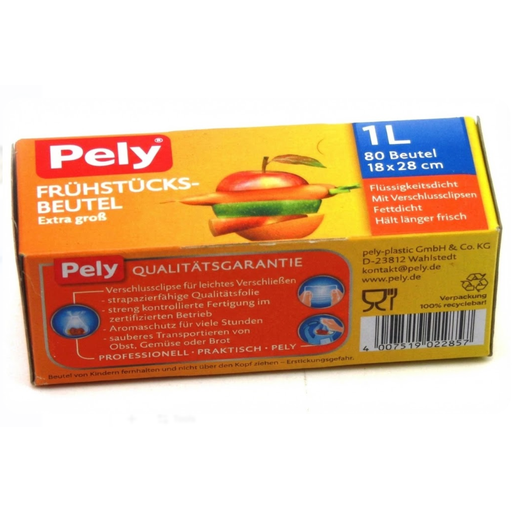
Why this product suits the profile: The 80 paper bags with a 1-litre capacity are ideal for dry snacks, bread and sandwiches in everyday life, at school or in the office.
The intended use for dry foods is clearly stated. This stops you from planning to use paper bags for liquids or very oily foods.
1-litre format, paper material and closure clips; suitable for dry snacks and storage in the fridge.
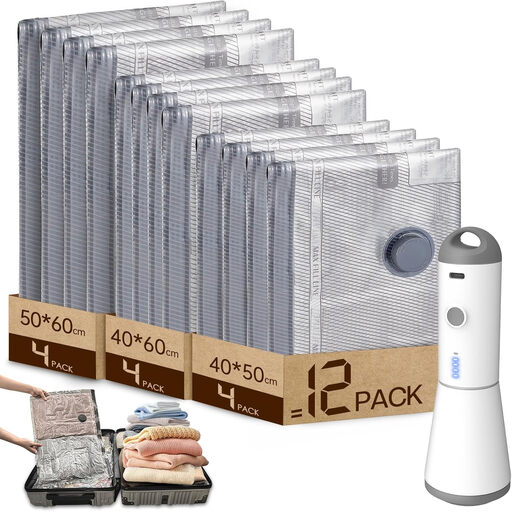
Why this product suits the profile: The set includes 12 vacuum bags for clothes in three sizes plus a cordless pump. It’s ideal for households with seasonal clothing or limited wardrobe and under-bed storage space.
A double zip and special valve are listed as specific closure features. Before storing, the bags should be clean, dry and fully sealed.
Three sizes, reusable polyamide and polyethylene material, plus a cordless pump for compact storage.
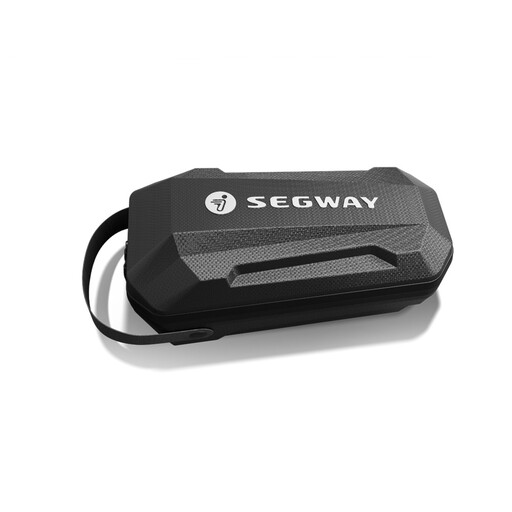
Why this product suits the profile: This bag is designed for e-scooter riders who want to carry a charger, keys, wallet or tools within easy reach.
The maximum load of 2 kg and the note that the material is water-repellent, not fully waterproof, help manage expectations.
Adjustable silicone strap with two fixing points, zip closure and compatibility with several Segway-Ninebot series.
For the kitchen, freezer bags with a double seal and gusseted base are worth considering, for example in 1-litre or 3-litre sizes. They can be filled upright and arranged compactly in the freezer. For dry foods, lunch bags remain a simple option.
For bin bags, the size should match your container:
Always keep bags away from heat sources and out of the reach of children. Plastic bags must not be used as toys or pulled over the head.
We’ve put together a full, regularly updated list of products that meet these strict selection criteria and the safety regulations in force in the EU.
The lifespan depends on the material, closure and how they’re used. If the bag isn’t overfilled, is closed carefully and stored dry, it can be used several times. Before each reuse, check the zip, valve and surface for damage.
First measure the height and circumference of your bin. The bin bag should have a bit of extra room so it can be folded over the rim and later sealed securely. The litre capacity alone isn’t always enough to go by.
Paper lunch bags are primarily intended for dry foods. Liquid, very hot or very oily foods can soak through the paper. For those contents, suitable resealable bags that are explicitly designed for the purpose are a better choice.