
Lieferung heute & morgen

Qualitätsgarantie

Willkommens-Angebote freischalten: KOSTENLOSE Lieferung | Bis zu 80 % RABATT | Kostenlose 30-Tage-JoyPlus-Testphase
App herunterladen
Choosing the right fishing reel is crucial for your success and overall experience on the water. When searching for a baitcaster reel in particular, anglers face a vast array of models that differ in technology, materials, and intended use. Whether for light spinning for perch or heavy-duty pike fishing, the reel's features must match your rod, lure, and target species.
This guide is here to help. It explains the key criteria you should consider when buying a fishing reel and presents a selection of models for various applications. Our goal is to provide you with an objective foundation for your purchasing decision.
To find the perfect reel, you should first analyse a few technical aspects and your intended use.
The most important factor is the body of water where you'll be fishing. Standard reels are designed for freshwater. For sea angling, a special saltwater fishing reel or sea reel is essential. These models feature sealed ball bearings, corrosion-resistant body materials (e.g., aluminium or special polymers), and a durable build to withstand the harsh effects of salt. For fishing from the shore, a surf casting reel with high line capacity and excellent long-casting performance is the right choice.
Drag power (measured in kg) defines the maximum resistance the reel can apply to a fish. A powerful multiplier reel with high drag is necessary for fighting trophy fish like pike or catfish. In contrast, for finesse fishing with light lures for perch or trout, a lightweight baitcaster with a more finely adjustable drag and lower overall weight is more advantageous. A low reel weight allows for hours of fatigue-free casting.
The gear ratio indicates how many times the rotor (on a spinning reel) or the spool (on a baitcaster reel) turns with each crank of the handle. A high gear ratio (e.g., 7.1:1 or higher) allows for fast line retrieval and is well-suited for techniques where the lure is worked quickly (e.g., topwater fishing). A low gear ratio (e.g., 5.4:1) offers more power and control, making it ideal for fishing with deep-diving crankbaits or large soft plastics.
Here you will find a selection of models that stand out for their specific features tailored to different fishing methods.
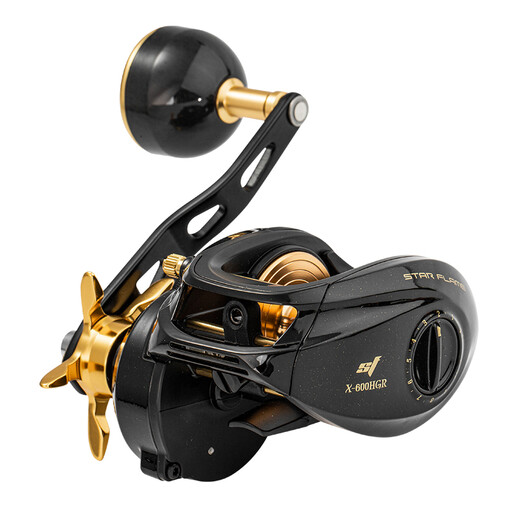
Why It Stands Out The ECOODA Star Flame X600 is designed as a heavy-duty multiplier reel. Its focus is on durability and power transmission. The gearing and drag systems are engineered to perform reliably even under heavy loads, making it perfect for fishing with heavy lures and for targeting hard-fighting fish.
Pros
Who It's For This model is aimed at predator anglers who specifically target large pike, catfish, or other trophy freshwater fish and require a reel with maximum power reserves.
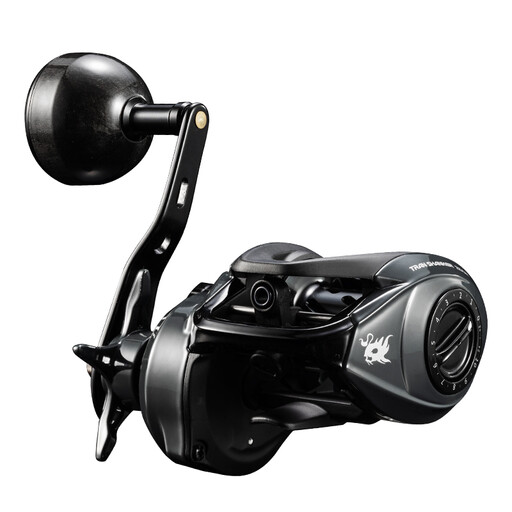
Why It Stands Out As a lightweight baitcaster, the ECOODA ETS is designed for finesse applications and fatigue-free casting. Its low weight reduces strain on the wrist during long days of fishing. The precision drag system allows for the use of thin lines and light lures, supporting a sensitive lure presentation.
Pros
Who It's For Ideal for anglers who specialise in spinning for perch, zander, or trout and are looking for a lightweight, precise reel for hours of active fishing.
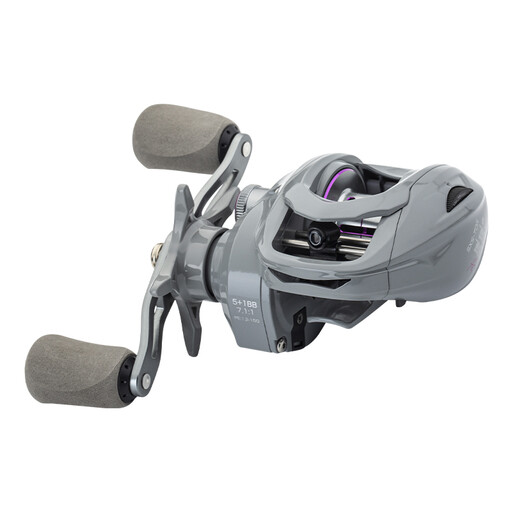
Why It Stands Out The ECOODA SXS Shadow is a spinning reel specifically developed for surf casting. Its aluminium body makes it a robust saltwater fishing reel. The spool is designed for maximum casting distance, and the high line capacity allows for fishing at great distances from the shore.
Pros
Who It's For This reel is designed for surf and saltwater anglers who need a durable, long-casting sea reel for use on the coast to catch fish like cod, sea bass, or flatfish.
The models presented here cover specific applications. If you are looking for a different type of reel or want to compare more options, you will find a wider selection in our main category.
Discover more models here and find the perfect fishing reel for your next trip.
The fundamental difference lies in their design and handling. With a baitcaster reel (also called a multiplier reel), the reel sits on top of the rod, and the line is released directly from a rotating spool. This allows for very direct lure control and high precision but requires practice to avoid line tangles (a "backlash" or "bird's nest"). A spinning reel hangs beneath the rod. The line unwinds from a fixed spool via a bail arm, which makes handling easier and is particularly suitable for beginners and light lures.
Yes, it's possible, but only with models that are explicitly rated for saltwater use. A conventional baitcaster reel designed for freshwater would be quickly damaged by corrosion. A saltwater fishing reel features special seals, corrosion-resistant materials like aluminium or coated components, and sealed ball bearings to prevent salt and sand from getting inside.
The required line capacity depends on the target fish and the fishing method. For light perch fishing in freshwater, 100 to 120 metres of a thin braided line is often sufficient. For heavy pike fishing with large lures, you should have at least 150 metres of a stronger line. For saltwater angling or trolling, where long runs from the fish are possible, an even higher capacity of 200 metres or more is recommended.