
Lieferung heute & morgen

Qualitätsgarantie

Willkommens-Angebote freischalten: KOSTENLOSE Lieferung | Bis zu 80 % RABATT | Kostenlose 30-Tage-JoyPlus-Testphase
App herunterladen
From the aroma of freshly baked bread to the sight of a perfectly decorated cake—baking is a joyful experience. But that joy can quickly turn sour when the results don't meet expectations because your bakeware is subpar. Before you invest in new equipment, it's crucial to understand the common pitfalls that often lead to disappointment and unnecessary expense.
As your Joybuy Product Recommendation Officer, I'm here to help you cut through the noise. We'll focus on the facts and show you what really matters when selecting durable and functional bakeware.
The Most Common Problems with Low-Quality Bakeware:
To avoid these issues, you should focus on three core aspects. These define the quality and longevity of high-end bakeware.
The material is the foundation of any good baking pan. Each has specific properties:
A functional non-stick coating is essential. Look for products with coatings that are free of harmful substances like PFOA. Modern coatings are often reinforced with ceramic particles, which significantly increases their durability and scratch resistance. A good coating not only makes it easier to release the cake but also simplifies hand washing.
You can often recognise high-quality bakeware by its thoughtful details. A reinforced rim prevents the pan from warping at high temperatures. A removable bottom on a tart pan or quiche pan makes serving easier without damaging the pastry. For tools like a cake turntable, a non-slip base provides the necessary stability for decorating.
Instead of a one-size-fits-all recommendation, we've selected products for specific user profiles.

Why It's a Match: Perfect for anyone who bakes bread regularly, especially sourdough. The pan is specifically designed to handle acidic doughs and is built for long-term use.
The enamel base is cut and scratch-resistant, solving the problem of peeling coatings. The thick steel material ensures dimensional stability and even heat distribution.
Its sourdough resistance and the KAIRAMIC non-stick coating allow for easy release of the loaf and straightforward cleaning.
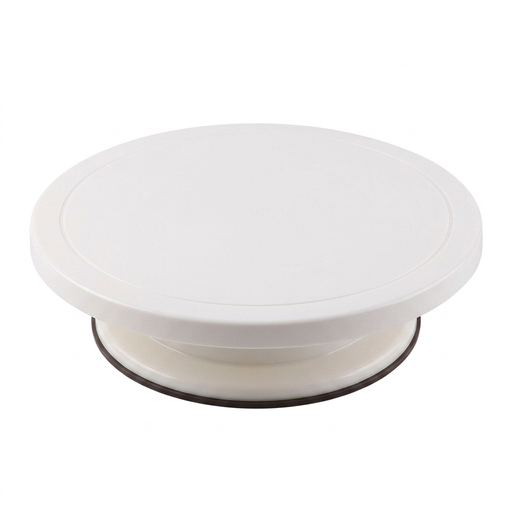
Why It's a Match: An indispensable tool for anyone aiming to create cakes with smooth frosting and precise decorations. This item from a cake decorating set is fundamental.
Unstable or slipping turntables are a common frustration. This model features a non-slip rubber base that provides a secure footing for frustration-free work.
The smooth 360-degree rotation allows for precise and even work on the cake from all sides, without having to lift or awkwardly turn it.
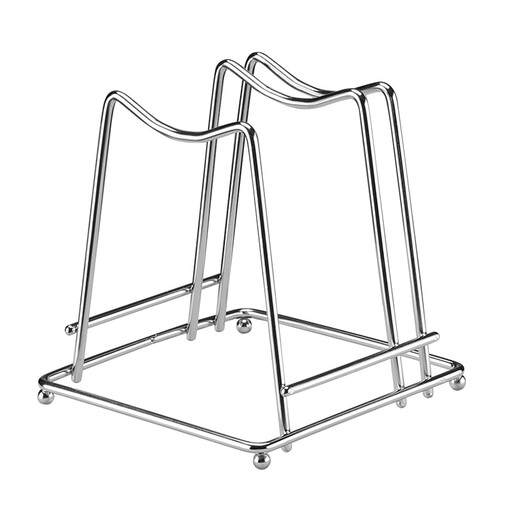
Why It's a Match: For home bakers whose kitchens are overflowing with baking sheets, lids, and pans. This kitchen organiser creates order and provides quick access to the necessary accessories.
Many organisers are made from thin, coated wire that rusts quickly. This model is made of food-grade 304 stainless steel, which is moisture and rust-resistant.
The sturdy, reinforced construction can hold even heavy lids and cutting boards without bending. The U-shaped slots ensure a secure hold.
We have compiled a complete, up-to-date list of products that fully meet these strict selection criteria and rigorous safety standards.
To maximise the lifespan of a non-stick coating, you should follow a few basic rules. Avoid using metal utensils or sharp objects in the pan. Clean the pan by hand with a soft sponge and mild dish soap after it has cooled. Even if some pans are labelled as dishwasher-safe, hand washing is gentler on the coating in the long run.
Yes, silicone moulds are a very practical addition to any baker's kitchen. Their main advantages are their high flexibility, which makes releasing baked goods extremely easy, and their temperature resistance, which allows them to be used in the oven, microwave, and freezer. When buying, look for the "food-grade" label and ensure the material contains no fillers.
A good bread pan should be made of a heavy material like thick-walled steel or cast iron to retain heat optimally and transfer it evenly to the dough. This ensures a crispy crust. For sourdough breads, an acid-resistant interior surface, such as enamel, is recommended, as the acid can damage conventional non-stick coatings.