
Lieferung heute & morgen

Qualitätsgarantie

Willkommens-Angebote freischalten: KOSTENLOSE Lieferung | Bis zu 80 % RABATT | Kostenlose 30-Tage-JoyPlus-Testphase
App herunterladen
The right bakeware is the foundation of any successful baking project, from a Sunday cake to delicate chocolates. But the market can be overwhelming, and not every mould delivers on its promise. A common frustration is products that lose their effectiveness after just a few uses. This guide will help you identify the crucial quality features and make an informed choice that suits your project.
As your Joybuy Product Recommendation Officer, I have analysed the most common problems that arise when choosing bakeware. Often, it's the subtle details that determine success or failure.
The 3 most common pitfalls when buying bakeware:
To avoid these problems, you should check three key aspects before buying: the material, the specific construction, and its suitability for your particular project.
The decision between silicone and metal depends directly on your baking project. Both materials have specific advantages and disadvantages.
Silicone moulds: Their greatest strength is flexibility. Baked goods can be released effortlessly, often without any greasing. This makes them ideal for detailed novelty cake pans, chocolates, or delicate small cakes like madeleines. High-quality silicone moulds are temperature-resistant from approximately -40°C to 230°C, making them suitable for frozen desserts as well. A disadvantage can be their lower stability; they should always be used on a baking sheet. Additionally, the browning of the batter is often less intense than in metal.
Metal pans (Steel, Aluminium): Classic cake pans like the springform pan or tart pan are usually made of steel. They offer excellent stability and heat conduction, which leads to even and deep browning. The crucial factors here are the quality of the non-stick coating and the material's thickness to prevent warping.
The term "moulds" covers more than just baking. For creative paper crafting projects, there are specialised tools that should be selected based on similar quality principles.
Cookie cutters: These are primarily intended for cutting out dough. They are usually made of stainless steel or plastic and are available in countless designs.
Cutting dies: In the realm of scrapbooking accessories, metal cutting dies are indispensable. They are used with a die-cutting machine to cut highly precise and intricate designs from paper or cardstock—a level of detail that is unachievable by hand.
Instead of a one-size-fits-all recommendation, we present products tailored to clearly defined user profiles and their needs.
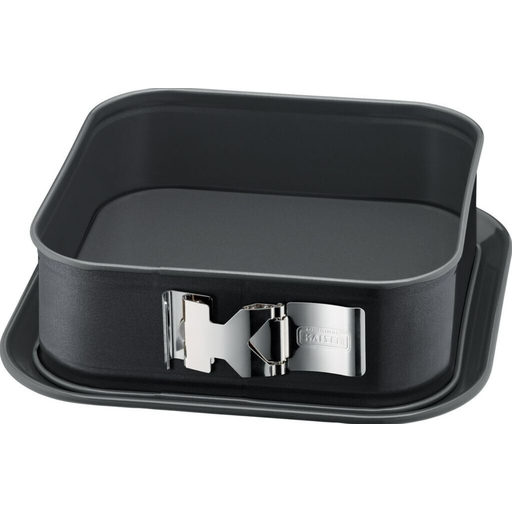
Why It's a Match: Ideal for traditional cheesecakes, brownies, or sheet cakes where stability, a leak-proof edge, and even browning are crucial. The square shape makes efficient use of oven space.
The robust steel construction prevents warping at high temperatures. With proper care (hand-washing the ring), the high-quality non-stick coating is designed for durability.
Made in Germany. The pan is heat-resistant up to 250°C and features a precise locking mechanism that ensures the springform pan has a leak-proof seal.
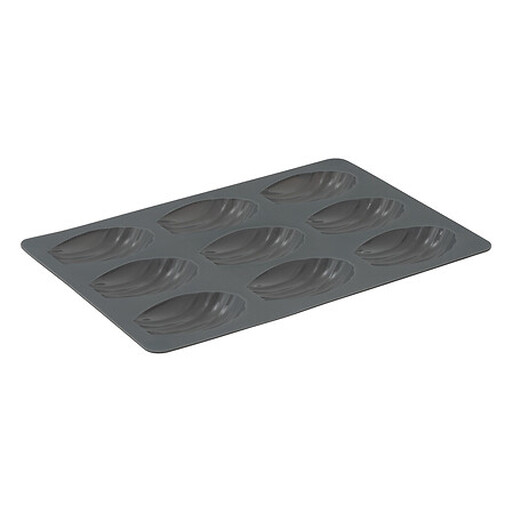
Why It's a Match: Perfect for making authentic French pastries. The precise shell shape is essential for successful madeleines and is difficult to achieve with conventional moulds.
The highly flexible silicone ensures an effortless release of the delicate cakes without breaking the fine ridges—a common problem with rigid metal moulds. Cleaning is straightforward.
This silicone madeleine mould is optimised for authentic results. It is dishwasher-safe, stores compactly, and is versatile enough for use with chocolate or ice cream.
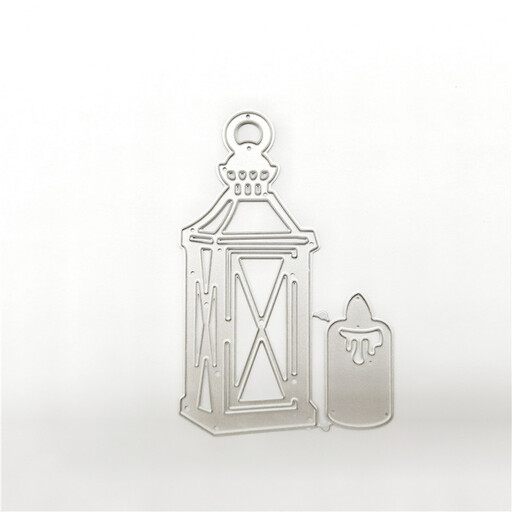
Why It's a Match: Enables the precise cutting of complex designs for card making, albums, and other paper projects. An indispensable tool for ambitious crafters.
Unlike simple cookie cutters or cutting by hand, these intricate cutting dies allow for professional and repeatable results that would otherwise require significant effort.
The die is made of durable metal for clean cutting edges. It is a versatile piece of scrapbooking accessory for paper, thin cardstock, and other craft materials.
We have compiled a complete, up-to-date list of products that fully meet these strict selection criteria and applicable regulations.
1. How do you clean silicone moulds properly to prevent them from becoming sticky? Rinse the mould with hot water and mild washing-up liquid after use. Avoid abrasive sponges. For stubborn grease residue, it can help to place the empty mould in the oven at 180°C for about 10 minutes. The grease will liquefy, making it easier to wash off afterwards.
2. Do you always need to grease and flour a springform pan? Even with a good non-stick coating, light greasing, optionally with flour or breadcrumbs, is recommended. This creates an additional barrier, ensures a better crust, and guarantees that the cake releases cleanly from the pan, especially with delicate batters.
3. What is the difference between cookie cutters and cutting dies?Cookie cutters are used manually to cut shapes from soft materials like cookie dough. Cutting dies are thin metal templates used in combination with a die-cutting and embossing machine. They allow for the cutting of very detailed and complex patterns from paper, cardstock, and other thin materials for craft projects like scrapbooking.