
Lieferung heute & morgen

Qualitätsgarantie

Willkommens-Angebote freischalten: KOSTENLOSE Lieferung | Bis zu 80 % RABATT | Kostenlose 30-Tage-JoyPlus-Testphase
App herunterladen
A quality baking pan is the foundation for every perfect cake, crusty loaf of bread, and savory casserole. But the market is crowded, and many products fail to live up to their promises. It's a familiar story: the cake sticks, the pan warps at high temperatures, or the coating starts to peel after just a few uses.
As a Joybuy Product Recommendation Officer, I analyse product information daily to help you avoid these disappointments. In this guide, I'll show you the three most common traps when buying bakeware and what you should look for instead to make a well-informed decision.
Marketing claims often sound tempting, but the devil is in the details. These three issues are the most common sources of frustration in the home kitchen:
To avoid a bad purchase, focus on objective and verifiable criteria. The following three aspects are crucial for the durability and performance of your new bakeware.
The material determines heat distribution, stability, and suitability for specific types of dough.
The type of coating directly impacts handling and care.
From a simple pound cake to an elaborate torte, there's a perfect pan for every bake. A solid starter kit could include a bakeware set with a loaf pan, springform pan, and Bundt pan. For more specific projects, a tart pan with a removable bottom, a perforated pizza pan, or a sturdy bread pan are worthwhile additions when you buy baking accessories.
Here are some product recommendations tailored to different needs and use cases.
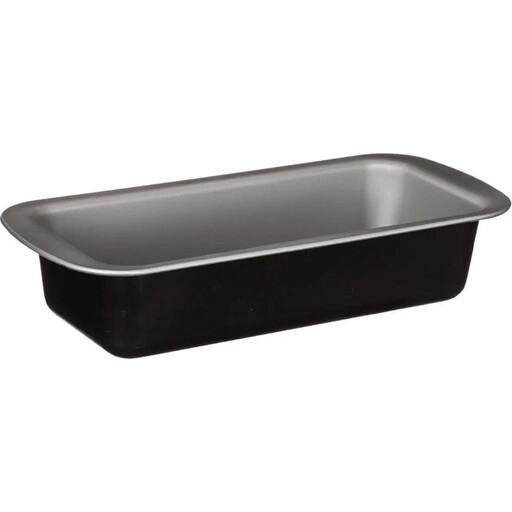
Why It's a Match: Ideal for hobby bakers who occasionally make a classic pound or sponge cake. The pan offers solid core functionality for simple recipes without breaking the bank.
The sturdy metal construction offers better structural integrity than many unbranded, low-cost products, minimising the risk of warping at standard baking temperatures.
A functional, entry-level model that offers great value for occasional use.
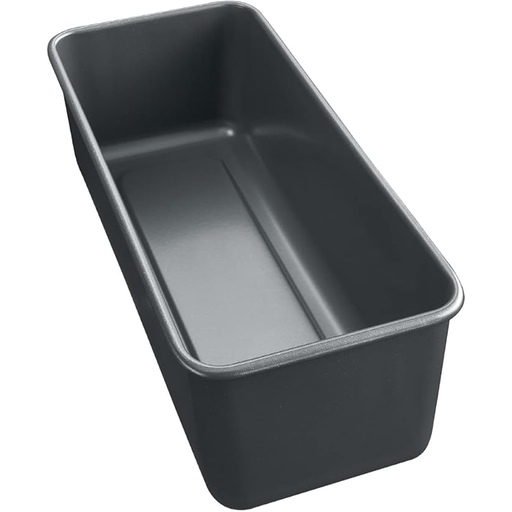
Why It's a Match: Specifically designed for the challenges of baking bread, especially with active sourdough. The material combination is engineered for durability and performance.
The glass-hard enamel base is explicitly sourdough-resistant and cut-resistant. This solves the problem of coatings peeling from acid and scratches from knives.
The combination of the KAIRAMIC non-stick coating on the sides and the robust enamel base offers superior functionality and a long lifespan.
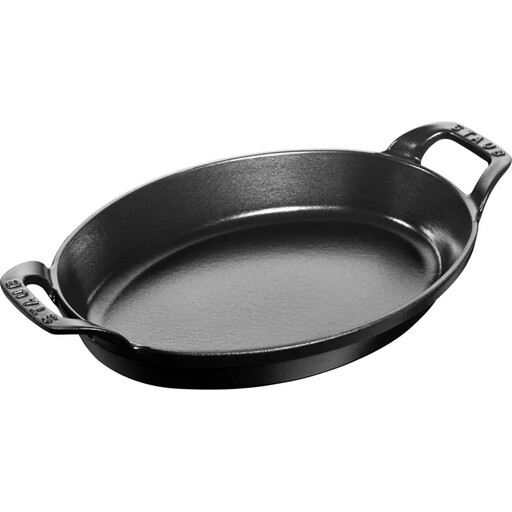
Why It's a Match: A versatile and extremely durable piece for anyone who values quality. Perfect for gratins, roasts, and savory casseroles that go straight from the oven to the table.
Enamelled cast iron provides superior, even heat distribution and retention. This eliminates hot spots and ensures consistent baking and roasting results. The material is extremely stable and will not warp.
Excellent thermal properties and versatility. The dish is suitable for all stovetops (including induction) and the oven, and is also elegant enough for serving.
We've compiled a complete, up-to-date list of products that meet these strict selection criteria and quality standards.
Proper care is crucial. After it has cooled, clean the pan by hand with warm water, mild dish soap, and a soft sponge. Avoid abrasive scouring pads and metal utensils like knives or forks in the pan. Most non-stick pans are not dishwasher-safe, as the harsh detergents can damage the coating.
For sourdough breads, a pan made from an acid-resistant material is the right choice. The acid in the dough can attack inferior coatings. Pans made from enamelled cast iron or steel with an enamel base are ideal. These materials are not only impervious to acid but also offer excellent heat retention for an even crust formation.
This problem occurs when the bakeware is made from metal that is too thin. The material expands at high temperatures in the oven. If it isn't thick and sturdy enough, it will deform permanently. To ensure structural integrity, look for a solid material thickness and high-quality construction. Products made from thicker steel or cast iron have a clear advantage here.