
Lieferung heute & morgen

Qualitätsgarantie

Willkommens-Angebote freischalten: KOSTENLOSE Lieferung | Bis zu 80 % RABATT | Kostenlose 30-Tage-JoyPlus-Testphase
App herunterladen
By a Joybuy Product Recommendation Officer, August 30, 2026
The selection of bakeware is vast, but not every product lives up to its promise. A pan that warps after just a few uses, a non-stick coating that flakes off, or a cake that refuses to release—these are problems familiar to many home bakers and cooks. A thoughtful choice not only saves you frustration but also ensures consistently better results, whether for a Sunday roast or a birthday cake.
This guide focuses on the objective features that define functional and durable bakeware and highlights common pitfalls you should avoid when making a purchase.
Before deciding on a model, it's helpful to know the typical weaknesses that often only become apparent in your home oven after the purchase.
To avoid a bad purchase, you should base your decision on three objective criteria: material, coating, and pan type.
The material is a key determinant of heat conductivity and stability. Metal oven pans, usually made of carbon steel, are widespread and offer excellent heat conduction. This ensures that cakes, bread, or casseroles cook and brown evenly. Pay attention to sufficient material thickness to prevent the warping mentioned in point 1. A solid cake pan or casserole dish feels sturdy and substantial for its size.
The non-stick property is a key convenience feature. Coatings like ILAG or PTFE (Teflon) reduce the need for excessive greasing and make it easier to turn out a cake. However, the longevity of this layer heavily depends on its care:
The shape is not a purely aesthetic feature but is functionally tailored to the specific dish.
Here are some product suggestions tailored to specific user profiles that meet the quality criteria mentioned.

Why this product is a great fit: Ideal for families who regularly prepare hearty oven dishes like lasagna, potato gratin, or roasts. The size is designed for multiple portions, and the pan is a versatile all-rounder in the kitchen.
The metal, described as robust, resists warping at high temperatures. The ILAG non-stick coating simplifies clean-up after use.
Its universal size (32 x 24 cm) and sufficiently high sides make it a functional casserole dish for a wide variety of recipes.
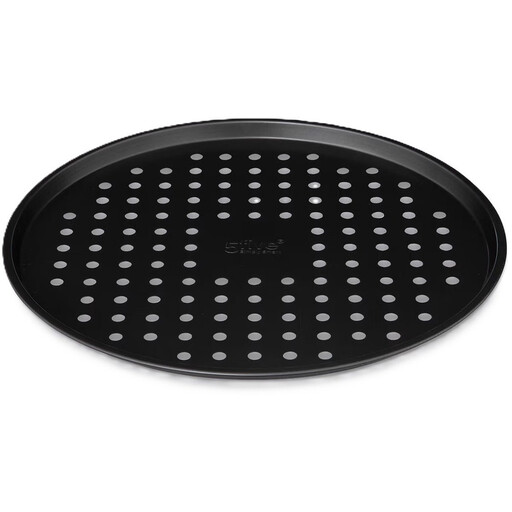
Why this product is a great fit: For anyone who bakes their own pizza at home and values a crispy crust. This special pizza tray is designed precisely for this purpose.
Instead of using an unsuitable all-purpose pan that results in a soft crust, this product relies on a purpose-built design that solves a specific problem.
The perforations in the steel base allow for optimal air circulation, which lets moisture escape and ensures the pizza crust becomes evenly crispy.
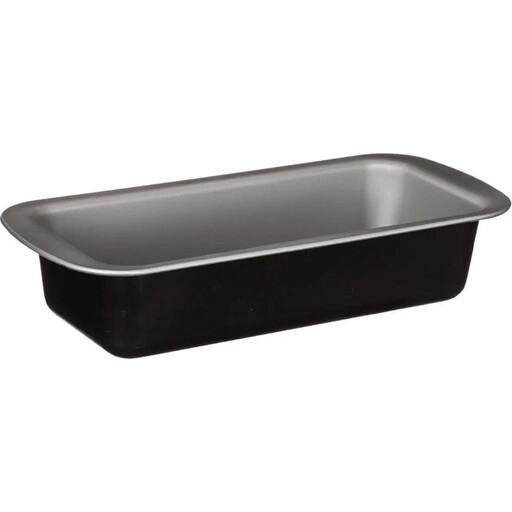
Why this product is a great fit: A classic loaf pan is a staple for any basic kit. It's perfect for simple quick breads, banana bread, or homemade sandwich bread, making it ideal for beginners or those who bake occasionally.
This model focuses on the core function without unnecessary frills. The sturdy metal provides stability, while the simple design ensures easy handling and cleaning.
The standard 25 cm size is compatible with most common recipes for loaf breads and cakes. A reliable piece of bakeware.
We have compiled a complete, up-to-date list of products that fully meet these strict selection criteria and safety standards.
To maximize the lifespan of a non-stick baking pan, hand washing with warm water, mild dish soap, and a soft sponge is recommended. Avoid steel wool or abrasive cleaners. Dry the pan thoroughly after washing. Do not use sharp-edged metal utensils in the pan when baking or serving.
Yes, especially thin-walled or very large sheets can temporarily or permanently warp when exposed to rapid, intense heat. This phenomenon is caused by thermal stress in the material. Greater material thickness and solid construction, as found in higher-quality metal oven pans, significantly minimize this risk.
A baking sheet is typically flat with a very low rim and is mainly used for cookies, pizza, or as a tray for roasted vegetables. A casserole dish has significantly higher sides (typically 4-7 cm) to hold liquids, sauces, and multiple layers of ingredients, as is the case with lasagna, gratins, or braises. It is designed for dishes with more volume and liquid.