
Lieferung heute & morgen

Qualitätsgarantie

Willkommens-Angebote freischalten: KOSTENLOSE Lieferung | Bis zu 80 % RABATT | Kostenlose 30-Tage-JoyPlus-Testphase
App herunterladen
A ruined cake is disappointing, especially when the cause is the wrong bakeware. The market is flooded with products that fail to live up to their promises in practice. As your Joybuy Product Recommendation Officer, I'll help you identify the common pitfalls and make an informed decision for your next baking project.
Many home bakers invest in bakeware that shows defects after only a short time. Three problems are particularly common:
To avoid these problems, it's important to look for a few fundamental quality indicators before you buy.
Selecting the right bakeware doesn't depend on marketing claims, but on material, construction, and its intended use. Two factors are crucial.
The material significantly influences heat conduction and the durability of your pan.
The stability and functionality of the pan are just as important as the material.
Here are some recommendations tailored to different needs and baking projects.
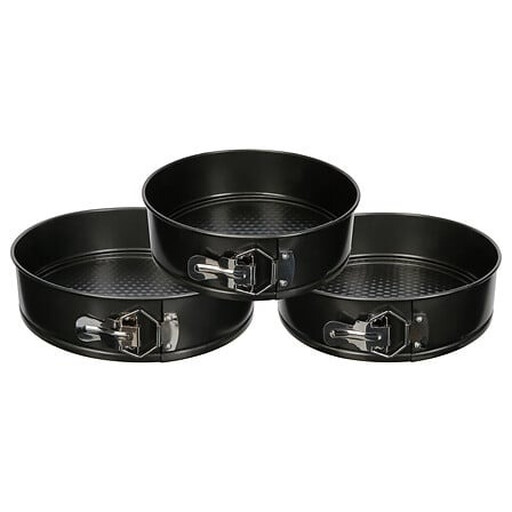
Why This Fits Their Persona: This baking set is ideal for anyone building their bakeware collection or looking for a reliable starter kit. With three common sizes, it covers most standard recipes for round cakes and tortes.
The steel construction provides good stability and prevents warping. The hinge mechanism is designed for reliable operation to minimize the typical problems of jamming or leaky springform pan latches.
Three graduated sizes (22 cm, 24.5 cm, 26 cm) offer high flexibility for different cake sizes. The set is stackable for space-saving storage.
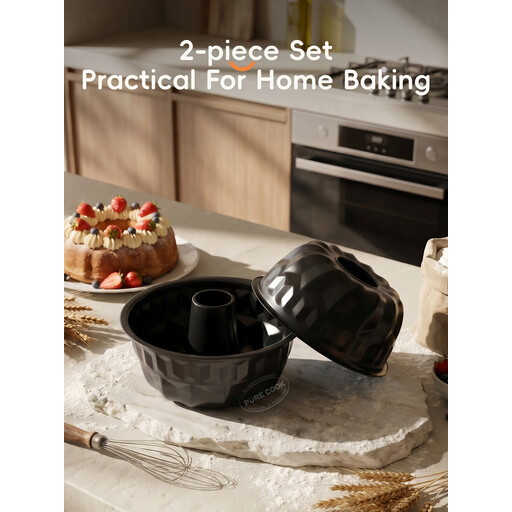
Why This Fits Their Persona: For bakers who enjoy themed baking and want to impress with special shapes. Perfect for autumnal occasions or simply as a creative showstopper on the coffee table.
The carbon steel construction ensures very even heat distribution, which is crucial for complex 3D shapes to prevent uneven baking. The non-stick coating is designed for batters rich in sugar and oil.
Creates a decorative cake shape without any extra carving or modeling. The curved design supports even rising and helps prevent cracks.
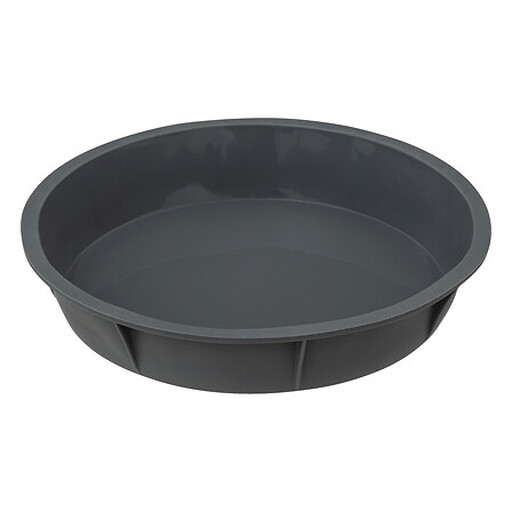
Why This Fits Their Persona: This silicone baking pan is designed for frequent bakers who value durability, easy cleaning, and effortless release. It is suitable for baked cakes as well as chilled desserts.
Since silicone is naturally non-stick, there is no coating that can peel off. The material is rust-proof and does not warp, which bypasses the most common flaws of metal pans. Cleaning is straightforward in the dishwasher.
Extreme temperature resistance for both oven and freezer. The flexible material allows for easy release of the cake by "peeling" the mold away, without damaging the edges.
We have compiled a complete, up-to-date list of products that fully meet these strict selection criteria and German safety regulations.
To extend the life of the non-stick coating, you should follow a few basic rules. Only use utensils made of wood, silicone, or plastic. Clean the pan by hand after it has cooled down, using a soft sponge and mild dish soap. Abrasive cleaners and dishwasher use can damage the coating over time. Dry the pan thoroughly after cleaning.
Both materials have their merits. Metal pans, especially those made of carbon steel, conduct heat very well and ensure even browning and crispy edges—ideal for classic pound cakes or a loaf pan for bread. A silicone baking pan excels with its flexibility, which simplifies release, cleaning, and storage. It is particularly suitable for detailed shapes or chilled desserts.
First, check that the base and ring are correctly seated and that the latch is securely fastened. For very runny batters, like those typical for cheesecakes, it's a proven method to carefully wrap the outside of the pan with two layers of aluminum foil before filling. This provides extra protection, especially if the pan is baked in a water bath. A high-quality springform pan with a precise locking mechanism reduces this risk from the outset.