
Lieferung heute & morgen

Qualitätsgarantie

Willkommens-Angebote freischalten: KOSTENLOSE Lieferung | Bis zu 80 % RABATT | Kostenlose 30-Tage-JoyPlus-Testphase
App herunterladen
A good baking pan is the foundation for countless successful dishes, from a moist birthday cake to a savoury lasagna. But the market is flooded with products whose quality only becomes apparent after a few uses. A peeling coating, a pan that warps in the oven, or corners that are nearly impossible to clean are common frustrations. This guide will help you identify the crucial features and make an informed choice that suits your baking habits.
Before we dive into the important features, let's look at three widespread problems that lead to frustration in the kitchen:
To avoid these problems, you should pay attention to a few fundamental parameters before buying. These are the primary determinants of the functionality and longevity of your baking tools.
The material is crucial to a baking pan's performance. Most models for home use are made of metal, typically steel or carbon steel. However, more important than the exact alloy is the material thickness. A thicker gauge not only ensures stability and prevents warping but also improves heat retention and distribution. The food bakes more evenly, without burning in some spots while remaining raw in others. A solid baking sheet or a sturdy loaf pan already feels more substantial when you lift it.
A high-quality non-stick surface is a huge convenience. It ensures that cakes and casseroles release effortlessly from the pan and significantly reduces cleaning time. Pay attention to details about the type of coating. Some manufacturers, as with the products featured here, use ILAG coatings, for example, which are known for their durability. Regardless of the brand, a good coating is multi-layered and resistant to abrasion. To maximise its lifespan, you should always avoid using metal utensils in the pan and opt for hand washing, even if the manufacturer states it is dishwasher-safe.
The selection of pans is vast, and each has its specific purpose. A basic set already covers many needs:
Investing in the right baking accessories for your favourite recipes pays off with better results and more enjoyment in baking.
Here are some recommendations tailored to specific user profiles that meet the quality criteria mentioned above.

Why this product is a great fit: This dish is a versatile tool for families. Its size and depth are perfect for dishes like lasagna, potato gratin, or a simple sheet cake—exactly the kinds of meals that are common in daily life.
The robust metal construction resists warping from heat. The simple, rectangular shape with no hard-to-reach corners makes cleaning straightforward and prevents stubborn residue.
The combination of a generous 3-litre capacity and a durable ILAG non-stick coating makes it a reliable workhorse for daily oven-baked meals.
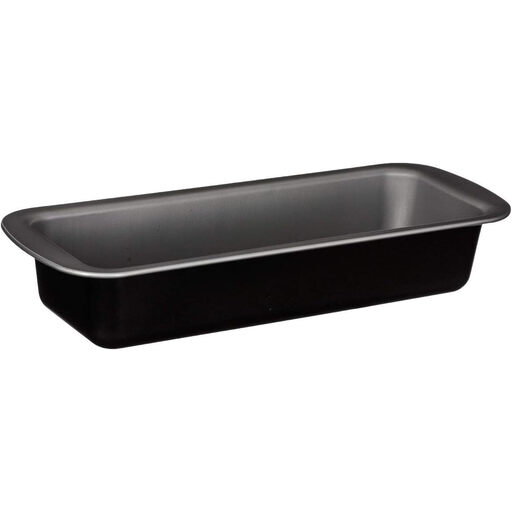
Why this product is a great fit: Ideal for home bakers who regularly make classic pound cakes, banana bread, or their own loaf bread. A reliable, standard pan that no kitchen should be without.
The non-stick coating ensures an effortless release, preventing the common frustration of a cake breaking when being turned out. The solid construction prevents warping.
The standard 30 cm size fits most common recipes for a loaf pan. Its 1.65-litre capacity is sufficient for most cake batters and bread doughs.
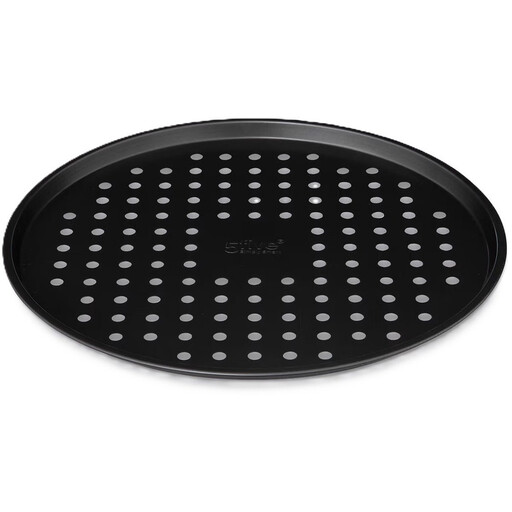
Why this product is a great fit: For anyone who wants to achieve a crispy, evenly baked pizza at home that tastes like it came from a stone oven. This special pizza tray delivers better results than a conventional baking sheet.
The perforations solve the problem of a soft or soggy bottom, as moisture can escape during baking—a crucial advantage over solid trays.
The holes in the steel tray ensure optimal air circulation and heat distribution directly to the base of the dough, resulting in an exceptionally crispy finish. The ILAG coating simplifies cleaning.
A well-chosen selection of bakeware makes kitchen tasks significantly easier. Discover more models that meet our criteria for functionality and durability.
How do you properly care for a non-stick baking pan? The longevity of a non-stick pan depends heavily on its care. It's best to clean the pan by hand with warm water, a little washing-up liquid, and a soft sponge. Avoid abrasive cleaners or steel wool. When baking, do not use sharp-edged metal utensils; instead, opt for tools made of wood, silicone, or plastic.
Why does my metal baking pan warp in the oven? This phenomenon, also known as "warping," usually occurs with pans made of thin metal. Rapid temperature changes, such as placing a cold pan in a hot oven, can amplify the effect. A pan made of thicker material is more dimensionally stable and less prone to deformation.
Do I still need to grease a non-stick pan? Although the coating is designed to prevent sticking, light greasing and possibly dusting with flour or breadcrumbs is still recommended. It provides an extra layer of protection for the coating, guarantees an even easier release of the baked goods, and can contribute to a more beautiful crust.
By the Joybuy Product Recommendation OfficerDate: August 29, 2026