
Lieferung heute & morgen

Qualitätsgarantie

Willkommens-Angebote freischalten: KOSTENLOSE Lieferung | Bis zu 80 % RABATT | Kostenlose 30-Tage-JoyPlus-Testphase
App herunterladen
Whether for a Sunday cake, homemade bread, or a savoury casserole, the right bakeware is the foundation of any successful oven-baked dish. But the market is overwhelming, and many products don't live up to their promises. Before you invest, it's important to know the common pitfalls that often lead to frustration in the kitchen.
This guide will help you separate the wheat from the chaff. We'll highlight the critical features you should look for and show you how to choose a durable and functional baking pan that suits your needs.
Many home bakers know the problem: a new pan looks promising but proves to be unusable after a short time. Watch out for these three common flaws to avoid making a poor investment.
To avoid these problems, you should check three key aspects before buying: the material, the surface finish, and the specific shape for its intended use.
The material is the primary factor determining your bakeware's heat conductivity, weight, and durability.
Choosing the right shape is crucial for success. A bakeware set can provide a good starter kit, but a dedicated pan is often the better choice for specific projects.
Here are some product recommendations tailored to the needs of different users, all of which meet the quality criteria mentioned.
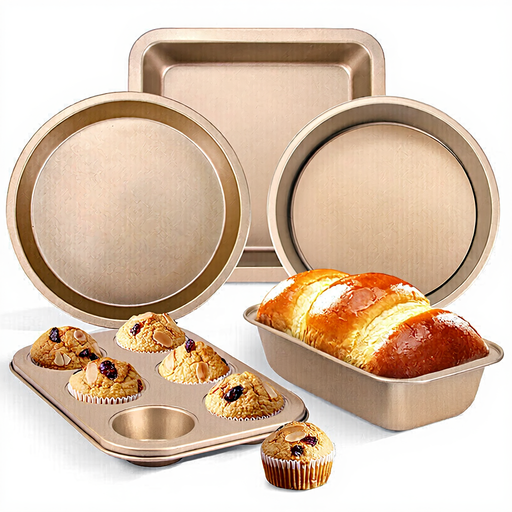
Why it's a good fit: This set offers a versatile starter kit for beginners. It includes the most essential pans for pizza, toast, bread, and muffins, allowing you to try various recipes without having to buy many individual pieces right away.
As a coordinated bakeware set, it prevents the hassle of buying mismatched individual pieces. The non-stick coating provides solid performance for beginners, provided it is cared for properly.
Comprehensive versatility for various baking projects in one package. The uniform gold finish adds an elegant touch to your kitchen equipment.
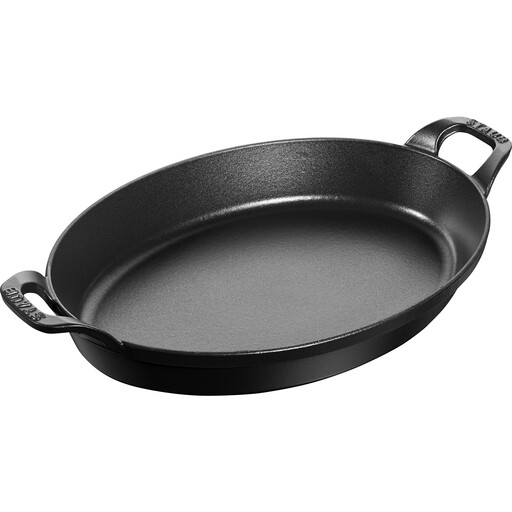
Why it's a good fit: Ideal for anyone looking for a robust, durable casserole dish for everyday use. Perfect for savoury dishes that go straight from the oven to the table. An investment that pays for itself over years of use.
This cast iron roaster directly counters the problem of warping. Cast iron is extremely stable and its superior heat retention ensures perfectly even cooking results.
Exceptional durability and heat retention. Suitable for all hobs, including induction, and stylish enough for serving at the table.

Why it's a good fit: Specifically designed to meet the demands of bread lovers. The pan is explicitly designated as sourdough-resistant, making it ideal for advanced bread recipes.
It addresses the problem of inferior coatings. The ceramic-reinforced KAIRAMIC coating and the cut-resistant enamel base are designed for longevity and the unique challenges posed by acidic sourdough.
Acid resistance and a robust, cut-proof base make this bread pan a reliable tool for serious home bakers.
We have compiled a complete, up-to-date list of products that fully meet these strict selection criteria and safety standards.
1. How long does a non-stick baking pan last? The lifespan of a non-stick pan depends heavily on the quality of the coating and how it's cared for. Inexpensive models often last only one to two years, while high-quality pans can last five years or more with proper care. To maximise their lifespan, you should avoid using metal utensils, never heat the pan while empty, and wash it by hand with a soft sponge.
2. Can I place a silicone mould directly on the oven rack? Although it is technically possible, it is not recommended. Due to its flexibility, a silicone mould can become unstable when filled with batter. To prevent spills and ensure safe transport, always place the silicone mould on a sturdy baking sheet before filling it and putting it in the oven.
3. Are glass baking dishes better than metal ones? Neither material is inherently "better"; they are suited for different purposes. A glass casserole dish heats up more slowly but retains heat very well and distributes it evenly. It is also non-reactive, which is an advantage with acidic ingredients. Metal pans heat up and cool down faster, which can be beneficial for certain types of cakes and pastries where quick browning is desired. The choice ultimately depends on the specific recipe.