
Lieferung heute & morgen

Qualitätsgarantie

Willkommens-Angebote freischalten: KOSTENLOSE Lieferung | Bis zu 80 % RABATT | Kostenlose 30-Tage-JoyPlus-Testphase
App herunterladen
A high-quality baking pan is the foundation for any successful baking project. But the market can be overwhelming, and many products don't live up to their promises. A warped baking sheet, a cake pan whose coating peels off after just a few uses, or a cake that won't come out of the pan—these problems can quickly ruin the joy of baking. As your Joybuy Product Recommendation Officer, I'll help you separate the wheat from the chaff and make an informed purchasing decision.
Before we dive into the important features, let's look at the three most common frustrations that lead to bad purchases.
To avoid these problems, you should check three central aspects before buying: the material, the shape, and the quality of construction.
The material has the biggest impact on your baking results and the longevity of your pan.
The shape of the pan determines its purpose. A basic set could include the following types:
Regardless of the material and shape, you should look for high-quality construction. Rounded edges, seamless construction (especially for loaf pans), and a sturdy locking mechanism on a springform pan are all signs of quality. Also, always read the manufacturer's care instructions: Is the pan dishwasher-safe? What is the maximum temperature the coating can withstand?
Based on these criteria, we have selected a few products from our range that are suitable for different needs.
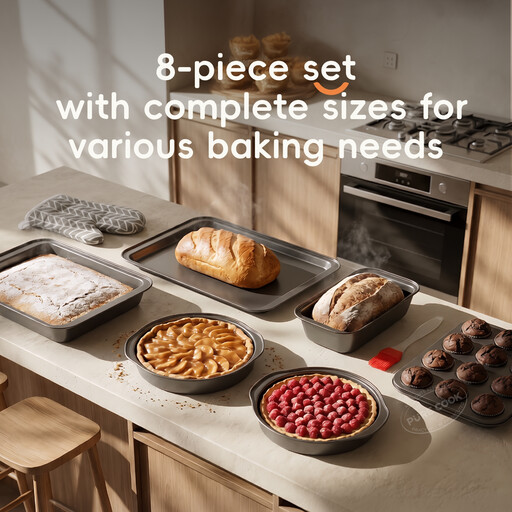
Why This Fits Their Persona: Ideal for those just discovering their passion for baking and who want to be equipped for various projects without investing in many individual pieces right away. This set covers many basics, from brownies and sheet cakes to muffins.
The set offers consistent quality, avoiding the problem of buying poorly matched individual pans. The non-stick coating is designed for beginners and simplifies release, which minimises a common source of frustration.
Versatility: The 8-piece set includes various square and rectangular pans for diverse baking projects. Even Heat Conduction: The carbon steel ensures consistent baking results.
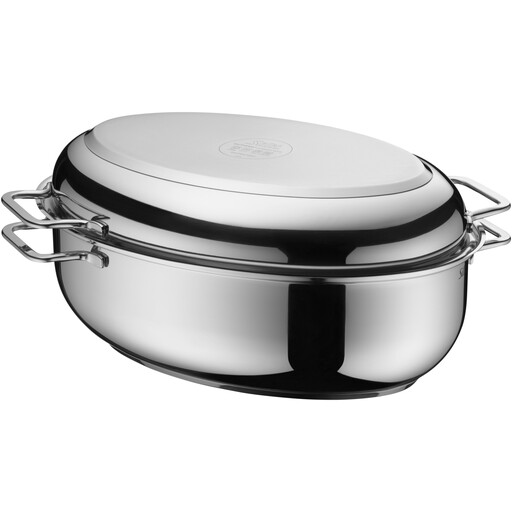
Why This Fits Their Persona: Perfect for ambitious home cooks who not only bake but also braise and roast. This product is an investment in durability and versatility for frequent use, from the Sunday roast to a large gratin.
This roaster, made of polished 18/10 stainless steel, resists warping and corrosion. Unlike coated pans, it is extremely durable and designed for long-term use. The Silitherm universal base ensures optimal heat distribution.
Multifunctionality: The lid can be inverted and used as a separate, shallow pan or casserole dish. Material Quality: Made from durable, acid-resistant stainless steel for use on all stovetops, including induction.
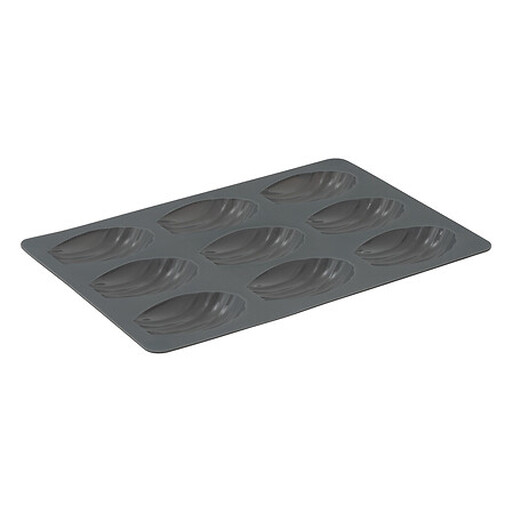
Why This Fits Their Persona: For bakers dedicated to perfecting classic French pastries. This mold is specifically designed for making the iconic, shell-shaped madeleines with their characteristic "hump".
This mold bypasses the cleaning trap of complex metal pans. Thanks to the flexible, non-porous silicone, the finished madeleines can be effortlessly popped out without breaking, and the mold is easy to clean afterwards.
Precise Shaping: The meticulously crafted shell cavities ensure an authentic appearance. Effortless Release: The highly flexible silicone allows for easy removal of the delicate pastries.
We have compiled a complete, up-to-date list of products that fully meet these strict selection criteria and comply with German safety regulations.
1. How do I properly care for a non-stick baking pan to extend its lifespan? Avoid using metal or sharp-edged utensils in the pan. Clean the pan by hand with a soft sponge and mild dish soap, even if the manufacturer states it is dishwasher-safe. The harsh detergents in dishwasher tablets can damage the coating over time. Dry the pan thoroughly after cleaning.
2. Can I place a silicone mold directly on the oven rack? Technically yes, but it is not recommended. Because a silicone mold is very flexible, it can bend when being filled and transported. Always place the silicone mold on a sturdy baking sheet before filling. This ensures safe transport to the oven and a stable, level surface during baking.
3. How can I identify a good loaf pan for bread? A good bread pan should be made from a material with good heat conduction, like carbon steel, to ensure an even crust. Look for a heavy, sturdy design that won't warp. Seamlessly drawn pans are preferable, as no dough residue can get stuck in corners and seams. A dark-colored pan also promotes better browning.