
Lieferung heute & morgen

Qualitätsgarantie

Willkommens-Angebote freischalten: KOSTENLOSE Lieferung | Bis zu 80 % RABATT | Kostenlose 30-Tage-JoyPlus-Testphase
App herunterladen
Whether it’s a family afternoon, a birthday cake or a small baking series, the right baking accessories often determine how smoothly the preparation goes. Many poor purchases happen not because of missing features, but because of unclear information. A coating may turn out unsuitable for its intended use, a tin might not fit in the oven, or decorating accessories are bought without checking the ingredients.
As a Joybuy Product Recommendation Officer, I filter product details by practical criteria and show what hobby bakers, beginners and small baking studios should look out for before buying.
With baking tins, it’s not just the diameter that matters. Height, rim shape and internal dimensions also affect the result. A springform tin that is 31 cm long needs more space than a classic round cake tin. So before you buy, check the inside of your oven, the shelf height and the rack you have.
For a baking tray or a rectangular cake tin, it’s also important whether the tin can be placed widthways or lengthways. Small ovens and air fryers often have different space requirements.
Non-stick baking tins make it easier to release cakes, but they don’t replace proper care. Metallic scouring pads, sharp kitchen tools and harsh cleaners can damage the surface. The stated temperature limit is just as important. Not every tin is suitable for a hob, open flame, microwave or grill.
So check the following:
For writing icing and frosting, allergens, colourings, storage and best-before dates are relevant buying criteria. According to the product details, the four-colour Dr. Oetker Sugar Writing Icing Pens contain milk and milk products, among other things. They should be stored in a cool, dry place; the specific best-before date is on the packaging.
For households with children, it’s also advisable to use decorating pens only under supervision and to follow the manufacturer’s instructions.
Carbon steel conducts heat relatively evenly and is lighter than cast iron. With coated tins, the surface should be protected from scratches. Hand washing with warm water and a soft sponge is explicitly recommended for several products.
Baking paper can create an extra separating layer. This reduces direct contact between the dough and the tin and can make cleaning the baking tray or cake tin easier. The width, length and stated heat resistance are crucial. A roll that is 30 cm wide and 10 m long can be portioned out for trays, loaf tins and certain air fryer uses.
A springform tin with a removable rim or a loose base is practical for delicate cakes, cheesecakes and multi-layered bakes. Look for a sturdy clasp and a suitable size. For small cakes, 6-inch tins can be enough, while family cakes need larger diameters.
With rectangular tins, you should also check whether the dimensions match your recipe. A tin measuring 31 × 12 cm is suitable for oblong cakes, brownies or compact desserts, for example, but it doesn’t replace a standard baking tin with a different volume.
For cakes, cupcakes and bakes, alongside piping bags, writing icing, cake toppers and cake stands are among the most commonly used baking utensils. A cupcake stand should be chosen based on its footprint, tier height and load capacity. For transport and cleaning, the material, stability and removable parts are relevant.
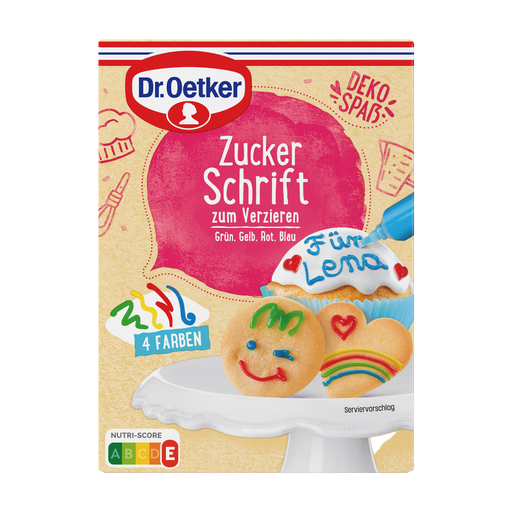
Why this product fits the profile: Four colours in one pack allow you to easily write on and decorate biscuits, cakes and gateaux without having to put together several individual decorating products.
The number of colours and individual quantities are clearly stated. Information about milk ingredients, storage and best-before date can be checked before purchase.
Four colours, 4 × 25 g and a clearly listed ingredients list for decorating baked goods.
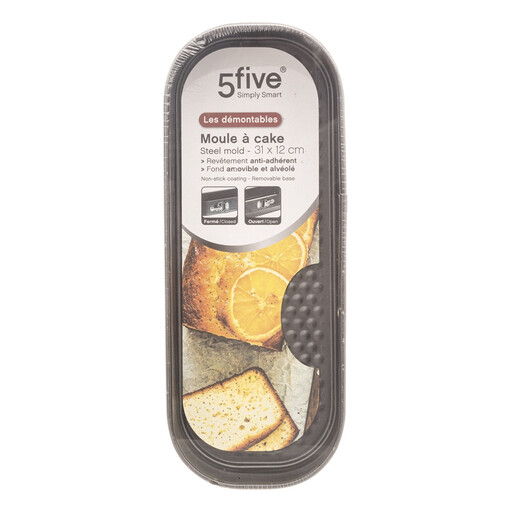
Why this product fits the profile: The rectangular tin measuring 31 × 12 cm is designed for oblong cakes, cheesecakes and brownies. The removable mechanism makes it easier to release delicate bakes.
The external dimensions and tin type are clearly stated. The care instructions – lightly grease and wash by hand – help protect the coating.
Rectangular format, removable springform mechanism and non-stick coating according to the product description.
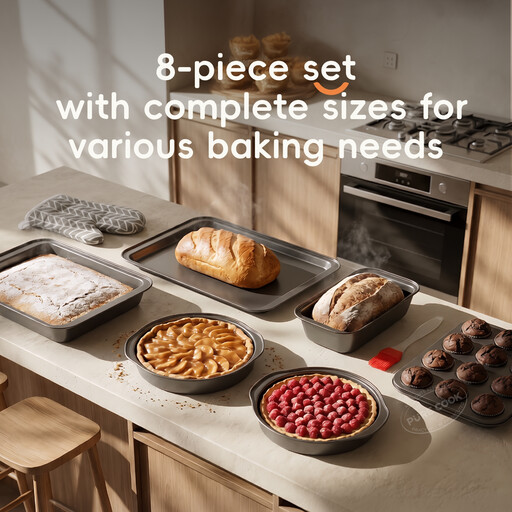
Why this product fits the profile: The eight-piece set covers various square and rectangular baking tasks and is interesting for larger households, baking courses or small baking studios.
The product description lists the tin types included, the intended oven use and clear exclusions: not suitable for microwave, hob, open flame or charcoal grill.
Carbon steel, multiple formats, stackable storage and suitability for both sweet and savoury oven dishes.
We have put together a complete, regularly updated list of products that fully meet these strict selection criteria and the safety regulations in force in the EU.
Baking paper is particularly practical for baking trays, loaf tins and certain cake tins. With non-stick baking tins, it isn’t always necessary. Whether it makes sense depends on the recipe, dough consistency and coating. The manufacturer’s instructions should take priority.
The lifespan depends on the material, temperature, cleaning and frequency of use. A coated tin can be damaged by metal cutlery or abrasive cleaners. Baking paper is a consumable item, while baking tins and cake stands can be used repeatedly with proper care.
A suitable cake tin, baking paper, a baking tray, measuring tools, a dough scraper and simple decorations like writing icing make up a practical basic set. If you bake regularly, you can then add a springform tin, extra cake tins, cake decorations or a cake stand as needed.