
Lieferung heute & morgen

Qualitätsgarantie

Willkommens-Angebote freischalten: KOSTENLOSE Lieferung | Bis zu 80 % RABATT | Kostenlose 30-Tage-JoyPlus-Testphase
App herunterladen
Choosing the right chocolate can make or break a recipe. Whether a cake turns out moist, a glaze shines, or a mousse achieves the perfect intensity—it all comes down to the quality and type of chocolate you use. But the selection is vast, from couverture and chocolate blocks to cocoa powder. This guide provides clear orientation and presents a selection of products suited for various baking projects.
To find the perfect product for your recipe, some basic knowledge is helpful. The following points summarise the most important distinguishing features.
The crucial difference lies in the cocoa butter content. Couverture, according to cocoa regulations, contains a higher percentage of cocoa butter (at least 31%). This higher fat content ensures that it becomes more fluid after melting chocolate and develops a fine gloss and a crisp snap upon cooling. This makes it the ideal chocolate glaze for cakes, pastries, and pralines. Anyone looking to buy high-quality couverture should pay attention to this aspect.
Regular dark chocolate often has a lower cocoa butter content. It can also be used for baking, but it is better suited as an ingredient within the dough itself, for instance in brownies or cookies, where a crisp snap is less important.
The cocoa percentage indicates the proportion of cocoa solids in the product. A dark couverture with a cocoa content between 50% and 60% is a great all-rounder for many recipes, offering a well-rounded balance between sweetness and bitter cocoa notes. Products with a cocoa content of 70% or more deliver a very intense, less sweet chocolate flavour, which is particularly suitable for mousse au chocolat or sophisticated cake fillings.
For recipes that require an intense cocoa colour and a deep flavour, baking cocoa is the right choice. Unlike drinking chocolate powder, pure baking cocoa is unsweetened and free of additives. It is ideal for batters, sponge cakes, or for making homemade hot cocoa. A distinction is made between high-fat and low-fat cocoa. Cocoa with a higher fat content (approx. 20% cocoa butter) is more aromatic and full-bodied, while low-fat cocoa (approx. 10% cocoa butter) has a darker colour and a more bitter taste.
Here you will find a selection of products suited for various applications in the kitchen.
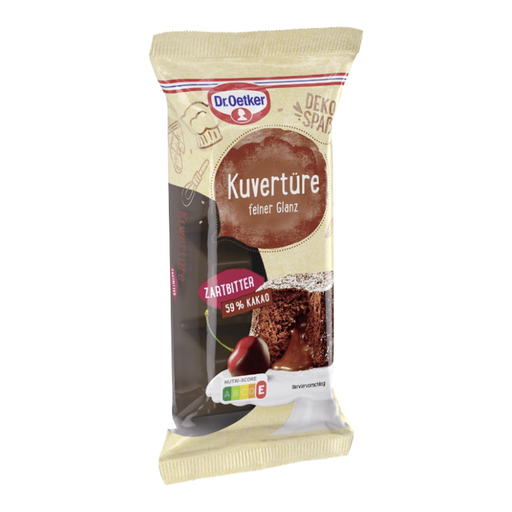
Why it stands out: This dark couverture was specifically developed for the demands of baking and decorating. With a cocoa content of at least 59%, it offers a full-bodied flavour. Its formula is designed to achieve a smooth consistency after melting and a high-gloss finish after setting, making it a reliable chocolate for cake glazes.
Pros:
Who is it for? This product is aimed at home bakers looking for a straightforward and reliable couverture for classic baking projects like glazing cakes, tortes, or biscuits.
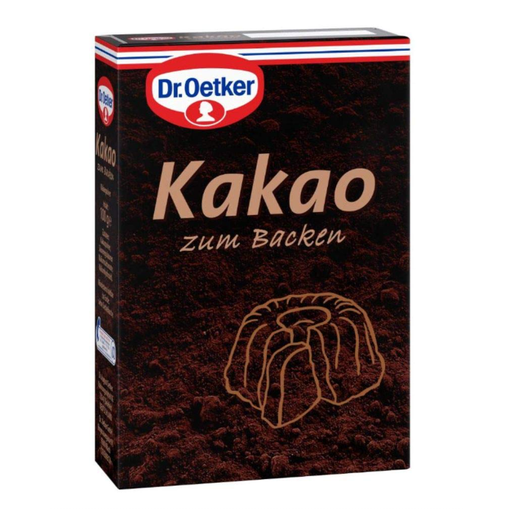
Why it stands out: Dr. Oetker's baking cocoa is a classic in many kitchens. It is characterised by its full-bodied aroma and its rich, dark colour, which gives baked goods an intense chocolatey note. The composition with acidity regulators ensures good solubility and a balanced flavour profile.
Pros:
Who is it for? Ideal for anyone who wants to prepare chocolate cakes, brownies, muffins, or desserts with a deep and authentic cocoa flavour. It is a staple ingredient that belongs in every baker's pantry.
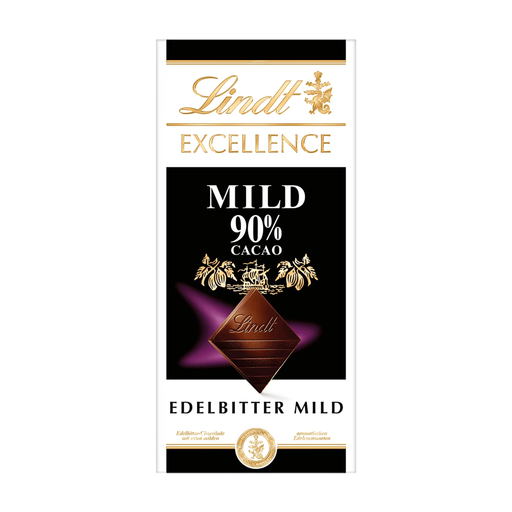
Why it stands out: With a 90% cocoa content, this chocolate offers an exceptionally intense and complex flavour experience. The sugar content is very low at 7g per 100g, allowing the pure, earthy notes of the cocoa to take centre stage. Although it is not a classic couverture, its high fat content (55g per 100g) makes it excellent for melting into fillings or mousses that require a powerful, bitter note.
Pros:
Who is it for? This product is the right choice for experienced bakers and chocolate lovers seeking a sophisticated and distinctive aroma for their creations, such as a connoisseur's mousse au chocolat or low-sugar baked goods.
Are you looking for a different variety, a specific cocoa percentage, or chocolate decorations? You can find more products for your next baking project in our wider selection.
Explore Our Full Range of Chocolate & Cocoa
Yes, regular chocolate bars can be used for baking, especially as an ingredient in the dough (e.g., chopped into cookies). However, for coatings, couverture is often the better choice because its higher cocoa butter content allows it to melt more smoothly, become more fluid, and yield a more beautiful shine.
The safest method for melting chocolate is using a double boiler. Chop the chocolate and place it in a heatproof bowl. Set the bowl over a pot of gently simmering water. The bottom of the bowl should not touch the water. Stir the chocolate slowly until it is completely melted. Be careful not to let any water or steam get into the chocolate, as this will cause it to seize.
Baking cocoa is pure, unsweetened cocoa powder that provides an intense chocolate flavour in baking recipes. Drinking chocolate powder, on the other hand, is a mix of cocoa, sugar, and often other additives like emulsifiers or milk powder. It is intended for preparing beverages and is unsuitable for most baking recipes due to its high sugar content, which would alter the balance of the ingredients.