
Lieferung heute & morgen

Qualitätsgarantie

Willkommens-Angebote freischalten: KOSTENLOSE Lieferung | Bis zu 80 % RABATT | Kostenlose 30-Tage-JoyPlus-Testphase
App herunterladen
A good baking dish is a staple in many kitchens. Whether for a creamy lasagna, a crispy gratin, or a juicy Sunday roast, the right dish cooks food evenly and presents it beautifully at the table. But the market is crowded and saturated with marketing claims. Choosing the wrong model often leads to uneven cooking results, tedious cleaning, or even cracks in the material. This guide will help you identify the crucial features and make an informed decision.
Before we dive into the important parameters, let's highlight the typical pitfalls that often lead to disappointment. Knowing these will help you search more effectively for durable and functional products.
To avoid these pitfalls, focus on three objective criteria: material, shape, and functionality.
The material is the primary factor determining the heat conductivity, heat retention, and durability of your baking dish.
The dimensions and shape are crucial for the intended use.
We have identified products that stand out for their material quality and thoughtful design, tailored to specific user profiles.
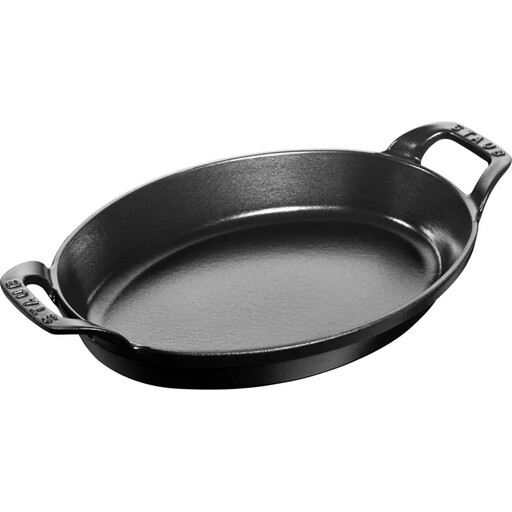
Why This Fits Their Persona: For those who want to bring dishes from the oven to the table in style, this is the ideal solution. The enamelled cast iron not only looks elegant but also has excellent heat retention, keeping food warm for guests for a long time.
This dish avoids the "style over substance" trap. Cast iron is renowned for its superior and even heat distribution, ensuring perfect cooking results—unlike purely decorative ceramic.
Excellent heat retention keeps food warm for longer. Suitable for all stovetops, including induction, and extremely durable.
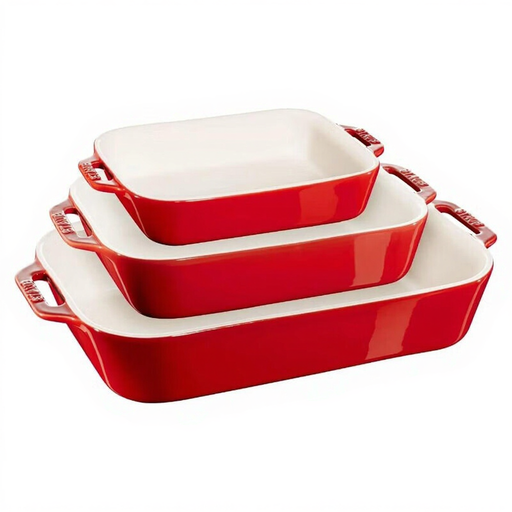
Why This Fits Their Persona: Families need flexibility. This set offers three different sizes that cover everything from side dishes to a large family lasagna. The dishes are also stackable, saving valuable cabinet space.
It solves the "wrong size" problem by providing a versatile selection. The high-quality ceramic is scratch-resistant and dishwasher-safe, thus avoiding the pitfall of delicate, hard-to-clean dishes.
Set of three versatile sizes, stackable for space-saving storage, durable and easy-to-clean enamel surface.
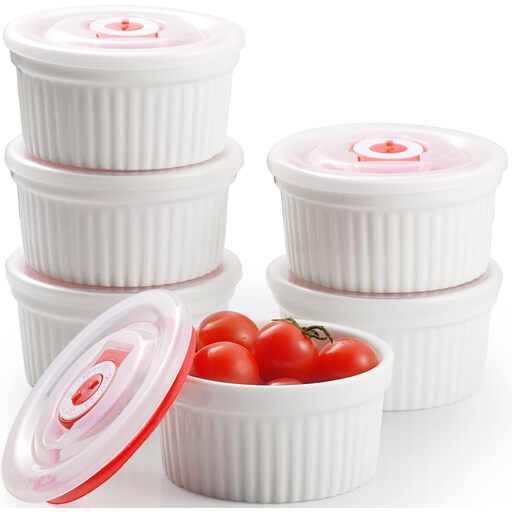
Why This Fits Their Persona: Ideal for preparing and serving individual portions of desserts like crème br?lée, soufflés, or even for dips and snacks. The included lids with a date dial are a practical bonus for refrigerator storage.
These ramekins are specifically designed for small portions, avoiding the inefficiency of using a large dish. The high-quality porcelain is genuinely suitable for high oven temperatures, unlike some purely decorative mini-dishes.
Set of 6 with practical lids for storage, versatile use (oven, microwave, freezer, dishwasher), made from non-toxic porcelain.
We have compiled a complete, up-to-date list of products that fully meet these strict selection criteria and German safety regulations.
1. Can a ceramic baking dish go directly from the fridge to the oven?
Generally, this is not recommended. Most ceramic dishes can crack due to the sudden temperature change (thermal shock). It is safer to let the dish come to room temperature before heating. High-quality stoneware, such as from Le Creuset, often specifies a wide temperature range, but avoiding extreme, sudden changes is always the safest practice.
2. What is the difference between a baking dish and a roaster?
A baking dish (or gratin dish) is typically shallower and made of ceramic, glass, or metal. It is designed for dishes like gratins or lasagna. A roaster, often made of cast iron, is usually deeper, heavier, and comes with a lid. It is designed for roasting and braising meat and poultry, both on the stovetop and in the oven.
3. How do I clean a badly burnt-on baking dish?
Avoid abrasive scouring pads, as they can damage the surface (especially enamel or non-stick coatings). For stubborn residue, fill the dish with warm water and a bit of dish soap and let it soak. Alternatively, you can briefly boil water in it on the stovetop to loosen burnt-on food. A soft brush or a wooden scraper can help with removal.