
Lieferung heute & morgen

Qualitätsgarantie

Willkommens-Angebote freischalten: KOSTENLOSE Lieferung | Bis zu 80 % RABATT | Kostenlose 30-Tage-JoyPlus-Testphase
App herunterladen
A high-quality baking dish is an indispensable tool in any kitchen. Whether for a hearty lasagna, a succulent roast, or freshly baked bread, the right oven dish is crucial for the success of your meals. However, the market offers a bewildering array of options, and not every product delivers on its promises. Before making a purchase, it's important to understand the common pitfalls that often lead to disappointment.
This guide will help you separate the wheat from the chaff. We'll highlight the critical features to look for and show you how to choose a durable and functional rectangular baking pan or loaf pan that meets your needs.
Many buyers rely on marketing promises that don't hold up in practice. Pay close attention to these three points to avoid a bad purchase:
To find the right baking dish, you should focus on objective criteria. The following three aspects are crucial for functionality and durability.
The material is a key factor in determining your oven dish's heat conduction, durability, and versatility.
A good non-stick surface makes it much easier to release food and simplifies cleanup.
The shape should match the dishes you prepare most often.
Here are a few recommendations tailored to different needs and applications.
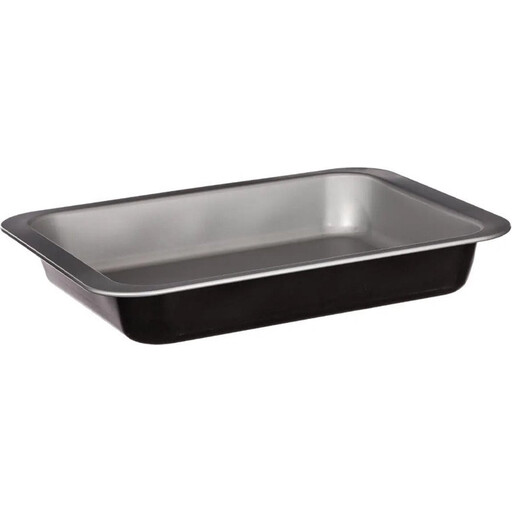
Why This Fits Their Persona: A solid and versatile oven dish for everyday use. Ideal for anyone looking for a functional solution for casseroles or potato gratins without a large budget.
The sturdy metal body resists warping with proper use, providing a solid base. The ILAG non-stick coating offers reliable performance for standard applications.
Excellent value for money. Universal size (28 x 22 cm) for many common oven dishes.

Why This Fits Their Persona: For home bakers who value perfect results, especially when baking sourdough bread. This pan is specifically designed for high demands.
The glass-hard enamel base is cut-resistant and sourdough-resistant, so the coating won't be damaged by acid—a common problem with standard pans. The thick steel material prevents warping.
Extremely durable thanks to the KAIRAMIC ceramic coating and enamel base. Heat-resistant up to 250°C (482°F) and retains its shape.
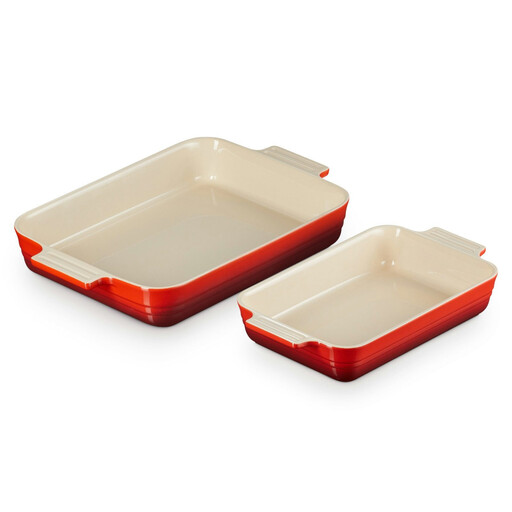
Why This Fits Their Persona: For cooks seeking a durable, versatile, and presentable solution. This casserole dish set made of stoneware is perfect for serving dishes stylishly, straight from the oven to the table.
Stoneware has no coating that can wear off. The enamel glaze is scratch-resistant, odour-neutral, and easy to clean. The material is naturally warp-resistant and provides excellent, even heat distribution.
Excellent heat retention. Temperature-resistant from -23°C to 260°C (-9°F to 500°F), making it suitable for the oven, microwave, and freezer. Very durable and easy to care for.
We have compiled a complete, up-to-date list of products that fully meet these strict selection criteria and German safety regulations.
A casserole dish is typically an open, rectangular pan used primarily for gratins, lasagna, or baked side dishes. A roaster is often oval, has deeper walls, and usually comes with a matching lid. It is specifically designed for braising and roasting larger cuts of meat or whole poultry, as the lid traps moisture inside, ensuring a succulent result.
To maximize the lifespan of a non-stick pan, you should follow a few basic rules. Avoid using metal utensils that could scratch the surface; instead, opt for tools made of wood, silicone, or plastic. Even though many pans are labeled as dishwasher-safe, hand washing with a soft sponge and mild dish soap is gentler and recommended for longer-lasting performance. Always let the pan cool completely before cleaning.
Yes, for regular sourdough baking, a sourdough-resistant pan is a worthwhile investment. Sourdough has a low pH value, meaning it is quite acidic. This acid can attack and damage conventional non-stick coatings and unprotected metals over time. Pans with an enamel coating or those made from materials like stoneware or cast iron are impervious to acid, ensuring a long lifespan and food safety.