
Lieferung heute & morgen

Qualitätsgarantie

Willkommens-Angebote freischalten: KOSTENLOSE Lieferung | Bis zu 80 % RABATT | Kostenlose 30-Tage-JoyPlus-Testphase
App herunterladen
By the Joybuy Product Recommendation Officer, July 28, 2026
Every home baker knows the disappointment: you follow a recipe to the letter, yet the cake turns out bland or the frosting isn't as vibrant as you'd hoped. Often, the culprit isn't the recipe, but the choice of baking ingredients. The market is flooded with products whose packaging promises more than the contents deliver. So, before you reach for flavourings or decorations again, it's worth knowing a few common pitfalls.
Making an informed choice based on objective criteria is the key to successful baking creations.
To avoid disappointment, it helps to focus on a few fundamental parameters rather than being swayed by marketing promises. These criteria will help you objectively evaluate the quality and suitability of baking ingredients.
A product's designation already offers clues about its quality. The order of the ingredient list is crucial, as ingredients are listed in descending order by weight.
The potency of an ingredient is a key factor. A highly concentrated flavour in a small bottle can be more economical than a large, heavily diluted product.
Good packaging protects the contents from light and air—the greatest enemies of flavour and colour. Resealable tubes, dark glass bottles, or individually wrapped sachets are often an indicator of a well-designed product that maintains its quality over time. This is especially relevant for cake decorations and for flavours that are used only occasionally.
Based on these objective criteria, we have identified several products suited for different requirement profiles.
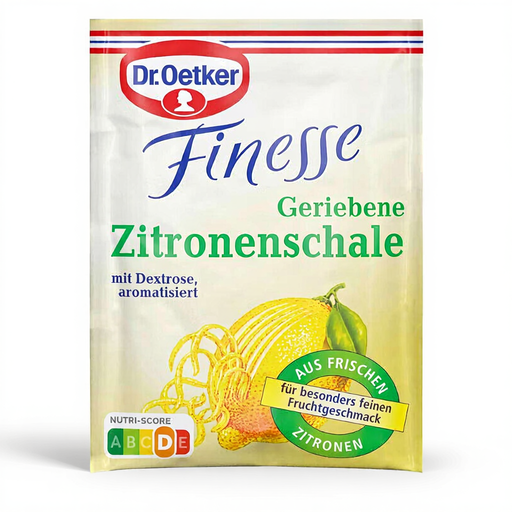
Why it's a match: Ideal for bakers looking for a quick and reliable alternative to grating fresh lemons. The pre-portioned sachets guarantee consistent flavour intensity and are always ready to use.
The individual sachet packaging prevents flavour loss (Pitfall 2). Although it contains dextrose (Pitfall 3), the amount is transparently declared, allowing for an informed choice.
Ready-to-use and easy to portion. Long shelf life and a consistent, fruity aroma for pastries and fillings.
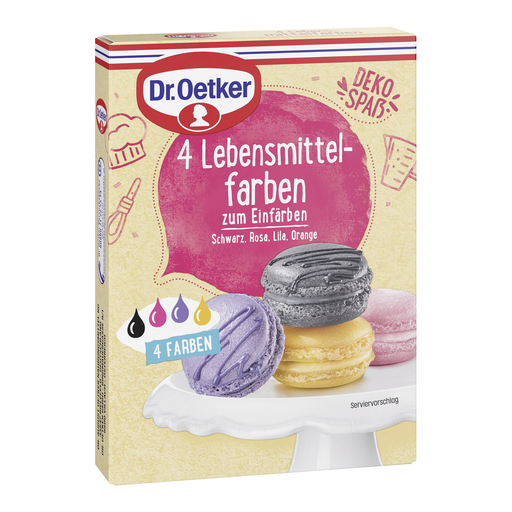
Why it's a match: For anyone wanting to visually enhance their baked creations. This set offers a modern colour palette for colouring dough, fondant, or buttercream for custom cake decorations.
The gel-like consistency in resealable tubes allows for very precise and clean dosing, preventing overuse and waste (Pitfall 2).
High colour intensity and easy to mix in without significantly altering the consistency of materials like fondant. The colours are intermixable.
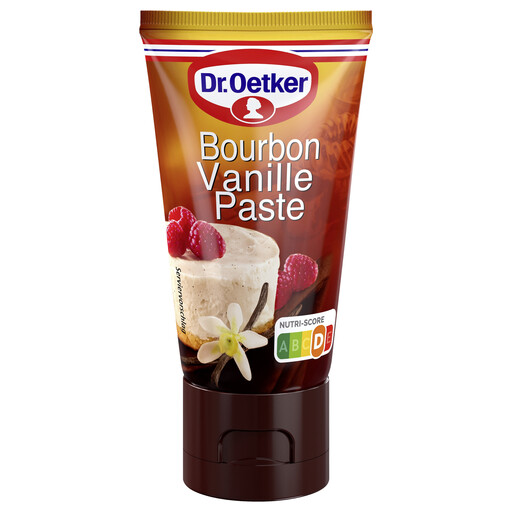
Why it's a match: For bakers who value authentic flavour and a high-quality appearance. The paste delivers the intense taste of Bourbon vanilla and the characteristic black vanilla specks.
According to the ingredient list, this product contains 13% Bourbon vanilla extract and 1.5% extracted vanilla seeds, clearly setting it apart from simple flavourings (Pitfall 1). The tube allows for clean, as-needed dispensing and protects the flavour (Pitfall 2).
Intense, authentic vanilla flavour. Easy to stir into doughs or creams. The resealable tube ensures long-lasting quality.
We've compiled a complete, up-to-date list of products that fully meet these strict selection criteria.
Baking flavours should always be stored in a cool, dry place, protected from direct sunlight. After opening, it's important to reseal the packaging tightly. Liquid flavours in glass bottles or tubes generally retain their intensity longer than products in simple plastic packaging.
Generally, yes, but the type of food colouring matters. Gel colours are highly concentrated and barely alter the consistency of the batter, making them ideal for delicate mixtures like macarons or meringue. Liquid colours are well-suited for simple batters or drinks. Powdered colours can be mixed directly into dry ingredients like flour to ensure even distribution without adding extra moisture.