
Lieferung heute & morgen

Qualitätsgarantie

Willkommens-Angebote freischalten: KOSTENLOSE Lieferung | Bis zu 80 % RABATT | Kostenlose 30-Tage-JoyPlus-Testphase
App herunterladen
The range of baking moulds stretches from classic cake tins to small dessert ramekins. However, this very variety can lead to costly mistakes: a mould doesn't fit in the baking tray, the coating loses its properties too soon, or the material isn't suitable for the method you have in mind.
"Heat-resistant" doesn't automatically mean a mould is suitable for every oven temperature. Before you buy, check the specific maximum temperature and the permitted uses: oven, microwave, freezer and hob are not interchangeable. A mould designed for the oven, for example, must not be used directly on a hob or over an open flame.
With non-stick baking moulds, it's not just the coating itself that matters. Metal knives, steel wool and harsh cleaning agents can damage the surface. Even if a mould is technically dishwasher-safe, hand washing coated models can help extend their lifespan. You should therefore consider the manufacturer's cleaning instructions before making a purchase.
A muffin tin with twelve wells is practical for batch baking, but it needs enough space in the oven. Small ramekins holding around 200 to 240 ml, on the other hand, are ideal for individual desserts, soufflés or side dishes. With a cake tin or tart tin, the diameter, height and volume need to match the recipe. If a mould is overfilled, the batter can spill over or cook unevenly.
Silicone baking moulds are flexible, lightweight and space-saving. Models like the 5FIVE moulds can be used for cakes, tarts, madeleines or cannelés, according to the product details. When filling them, it's still advisable to place them on a sturdy baking tray, as flexible moulds can give way when being moved with liquid batter.
Carbon steel conducts heat relatively directly and offers a rigid construction. With coated versions, it's sensible to use heat-resistant plastic, wooden or silicone utensils. The Ballarini muffin tin reportedly features twelve wells, a two-layer PFAS-free non-stick coating and is oven-safe up to 230 °C. It is intended for hand washing.
Stoneware and ceramic retain heat and are suitable for individual portions. However, they are heavier and more susceptible to knocks and rapid temperature changes. With ceramic ramekins, you should avoid moving them directly from the freezer into a hot oven, unless the manufacturer explicitly allows it.
Look for a specific temperature rating in degrees Celsius. With the products featured here, the ratings range from 230 °C for certain carbon steel moulds to 260 °C for selected stoneware ramekins. The respective product page is the definitive source.
You should also check whether the mould is suitable for other appliances. A silicone mould may be intended for the oven, microwave and freezer, according to the product details. A carbon steel mould, on the other hand, is typically not suitable for the microwave. Oven-safe baking moulds must not automatically be used on the hob, under the grill or over direct heat.
For households with limited storage space, stackable or foldable moulds are practical. Silicone baking moulds can often be rolled up or folded flat. Stoneware ramekins can be stackable, but they need a sturdy shelf due to their weight.
Check the care instructions: dishwasher-safe moulds make cleaning easier, while coated carbon steel models should often be washed by hand. Allow every mould to cool completely before cleaning it or turning out the contents.

Why this product fits the profile: The set contains six small silicone moulds, each measuring 8 x 7.5 x 3.1 cm. This allows you to portion individual cakes, cupcakes, jellies and frozen desserts without having to buy a large tin.
The stated dimensions and temperature range of -40 °C to 230 °C make the scope of use clear. According to the product details, the moulds are stackable and dishwasher-safe.
Six individual wells, lightweight and flexible silicone construction for space-saving storage.
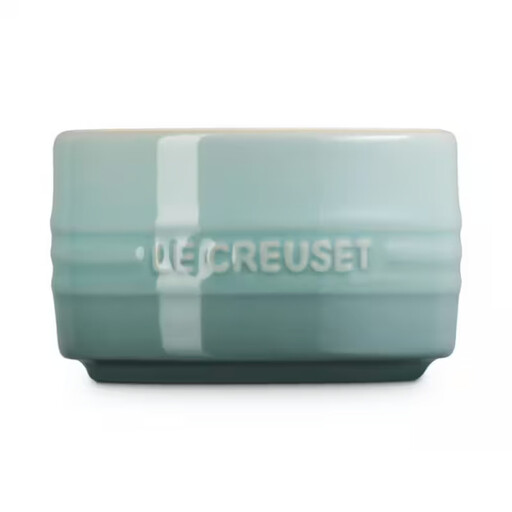
Why this product fits the profile: This stackable stoneware ramekin with a 200 ml capacity is ideal for crème brûlée, pudding, soufflé, tapas and small savoury bakes.
The product details state an oven safety rating of up to 260 °C, as well as freezer and dishwasher suitability. The advice to avoid thermal shock should still be followed.
200 ml capacity, stackable design and glazed stoneware for baking, serving and storing.
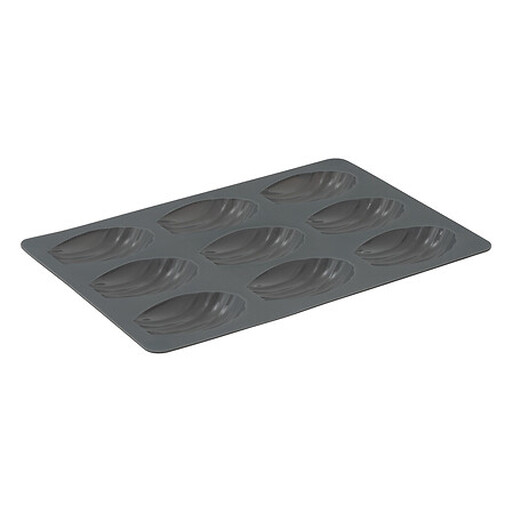
Why this product fits the profile: According to the product details, this madeleine baking mould has several shell-shaped wells and measures 36 x 21.5 x 2 cm. It is designed for small French sponge cakes, chocolate or portioned snacks.
The defined shape prevents you from buying a general muffin tin for a recipe that needs a shell structure. According to the product details, the silicone mould is suitable for the oven, freezer and dishwasher.
Specialist madeleine wells, lightweight and flexible silicone construction.
We have put together a complete, regularly updated list of products that fully meet these strict selection criteria and the safety regulations in force in the EU.
A baking mould set is worth it if you regularly make different portions and recipes. For families, a muffin tin, a classic cake tin and several ramekins can be more versatile than a single specialist mould. If you mainly bake layer cakes, however, you should focus carefully on the diameter, rim height and material of the cake tin.
For small desserts, soufflé dishes and crème brûlée dishes with the right capacity are a sensible choice. A tart tin is ideal for shallow cakes, quiches and fruit tarts; a madeleine mould or cupcake tin, on the other hand, is designed for clearly defined individual portions.
A flexible silicone mould or a coated carbon steel mould with a clear size specification is suitable for many standard recipes. With silicone, a sturdy baking tray is recommended as a base. Coated moulds should not be used with metal utensils.
That depends on the recipe and your personal use. Silicone is lightweight, flexible and space-saving. Carbon steel is rigid and offers direct heat conduction. What matters are the temperature range, shape stability, cleaning requirements and the specific manufacturer's instructions – not a general material comparison.
The lifespan depends on the material, coating, temperature and care. Avoid overheating, thermal shock and abrasive cleaning. Coated baking moulds should no longer be used for food preparation if visible scratches or peeling appear.