
Lieferung heute & morgen

Qualitätsgarantie

Willkommens-Angebote freischalten: KOSTENLOSE Lieferung | Bis zu 80 % RABATT | Kostenlose 30-Tage-JoyPlus-Testphase
App herunterladen
A high-quality baking pan is the foundation for every perfect cake. However, the market can be overwhelming, and many products don't live up to their promises. As your Joybuy Product Recommendation Officer, I'm here to help you navigate the options and make an informed decision, ensuring you'll enjoy your bakeware for years to come.
Before you buy a new cake pan, you should be aware of the typical flaws that often only become apparent after a few uses and can lead to frustration.
To avoid these problems, you should focus on a few fundamental, objective criteria. These factors define the quality and durability of a baking pan.
The material is a key factor in determining the pan's heat conduction and stability.
A high-quality non-stick surface is essential. Look for manufacturer claims about PFAS-free coatings to ensure you get a safe and durable solution.
The choice of pan depends on what you plan to bake. A basic set often includes a springform pan, a loaf pan, and a baking sheet.
Here are some product recommendations tailored to different needs and use cases, all of which meet the quality criteria mentioned above.

Why it's a great fit: Ideal for home bakers who value precision and durability. The 28cm springform pan is perfect for multi-layered cakes and demanding recipes where there's no room for error.
The SafeClick clasp and heavy-gauge steel quality ensure a leak-proof construction. According to the manufacturer, the KAIRAMIC non-stick coating is exceptionally resistant and durable.
Cut-resistant, enamelled base that allows you to cut and serve directly on it. Even heat distribution for consistent baking results.
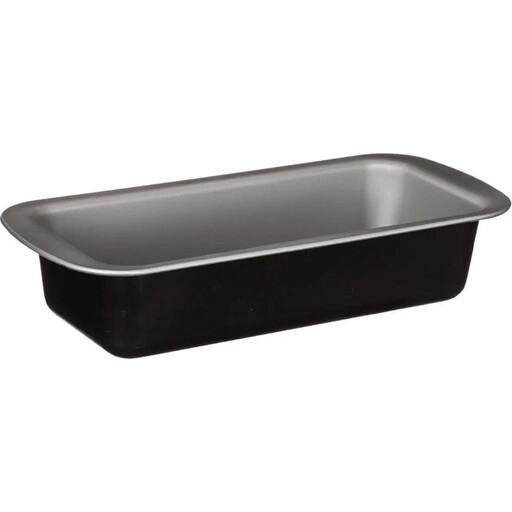
Why it's a great fit: A classic loaf pan is a must-have for any kitchen. It's ideal for simple pound cakes, moist banana bread, or homemade bread, offering excellent value for money.
This pan focuses on the essentials: a robust metal construction that won't warp from heat. It forgoes complex mechanisms in favour of solid, reliable functionality.
Versatile for both sweet and savory baked goods. The simple, one-piece construction is sturdy and easy to clean (hand washing recommended).
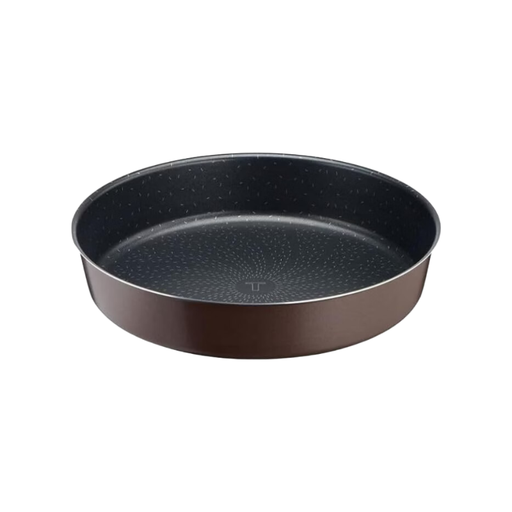
Why it's a great fit: A reliable round cake pan in the standard 26 cm size. It's a great choice for beginners looking for a straightforward pan for fruit tarts or sponge cake bases, while also prioritising sustainability.
Made from 100% recycled aluminium, which Tefal claims offers high stability and does not warp. The brand's proven non-stick coating ensures easy cake release.
Excellent and even heat distribution thanks to the aluminium. According to the manufacturer, the coating is free of PFOA, lead, and cadmium. The pan is dishwasher-safe.
We have compiled a complete, up-to-date list of products that fully meet these strict selection criteria and safety regulations.
1. How do you properly clean a non-stick baking pan? To ensure the longevity of the coating, we recommend cleaning by hand with warm water, a mild dish soap, and a soft sponge. Avoid abrasive scrubbers or harsh cleaning agents. Even if some bases are dishwasher-safe, hand washing is gentler on the ring's coating.
2. Why is my springform pan leaking and how can I prevent it? Leaking is usually a sign of an imprecise clasp or a warped ring. When buying, look for a sturdy construction and a tight-fitting locking mechanism. For very thin batters, it can help to line the bottom of the pan with parchment paper, clamping it in place with the ring.
3. What is the best material for a baking pan? The choice depends on your priorities. Sheet steel is very robust and ideal for frequent baking. Aluminium conducts heat particularly evenly, making it well-suited for delicate batters. Silicone pans are flexible and save space, but they don't offer the same stability or browning as metal pans. For most home bakers, a high-quality pan made of sheet steel or aluminium is an excellent choice.