
Lieferung heute & morgen

Qualitätsgarantie

Willkommens-Angebote freischalten: KOSTENLOSE Lieferung | Bis zu 80 % RABATT | Kostenlose 30-Tage-JoyPlus-Testphase
App herunterladen
By Joybuy Product Recommendation Officer, August 28, 2026
Choosing the right baking pan can be the difference between a perfectly baked cake and a disappointment. Yet, the market is filled with products whose marketing promises often suggest more than they deliver. Many home bakers invest in pans that prove to be impractical or short-lived. This guide will help you navigate the common pitfalls and make an informed decision.
Two common problems lead to frustration and unnecessary expense:
To avoid a bad buy, you should examine three core aspects that determine a baking pan's performance and longevity.
The material significantly influences how evenly heat is transferred to the batter.
The surface finish is crucial for functionality and care.
The choice of pan depends directly on what you plan to bake.
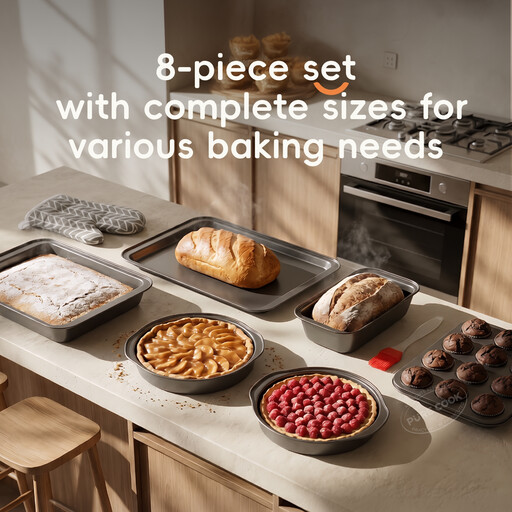
Why This Fits Their Persona: Ideal for anyone starting out with baking or looking to expand their equipment. This baking pan set covers a wide range of baking projects with various pans and trays, including a square cake pan and a muffin pan, without requiring a large individual investment.
The set is made of carbon steel, which ensures good dimensional stability and heat conduction, and it won't warp as easily as thin-walled budget products. The non-stick coating is functional for beginners and facilitates early baking successes.
High versatility with 8 different pieces for cakes, muffins, and sheet cakes. Good value for a comprehensive starter kit.
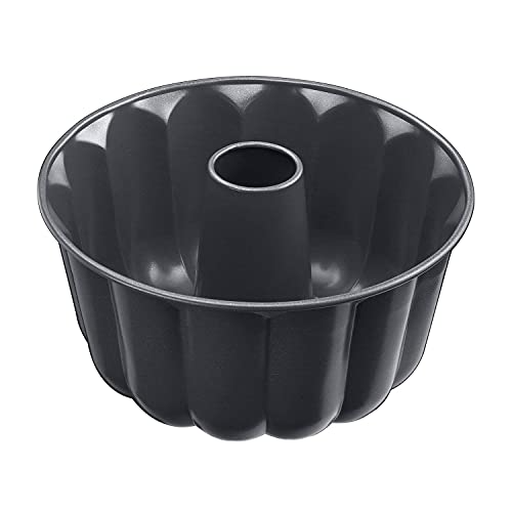
Why This Fits Their Persona: For ambitious bakers who bake regularly and value durability and reliable results. This Bundt pan is an investment in lasting quality.
It bypasses the trap of short-lived coatings with a cut-resistant enamel base and a robust, ceramic-reinforced KAIRAMIC non-stick coating. The thick steel material prevents warping and ensures excellent heat distribution.
Extremely durable and robust. The cake can be cut directly in the pan. Heat-resistant up to 250°C for professional baking results. According to the manufacturer, it comes with a 10-year warranty on the coating.
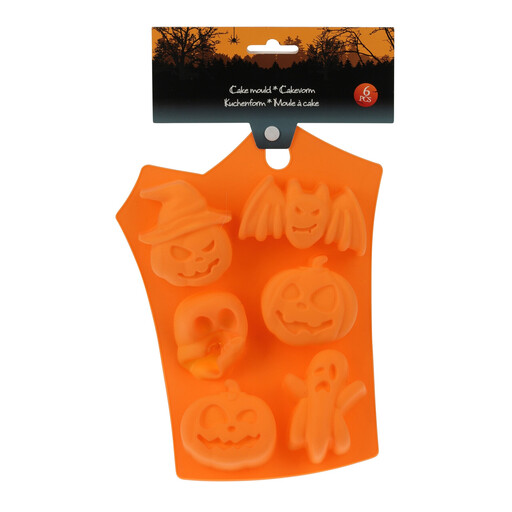
Why This Fits Their Persona: Perfect for bakers who want to create creative and themed treats for parties, holidays, or special occasions. This Halloween baking pan allows for detailed results without much effort.
The flexibility of high-quality silicone solves the problem of sticking in complex shapes. The details of the designs are preserved, and cleanup is straightforward as there are no hard-to-reach corners like in rigid metal pans.
Enables detailed novelty cakes. Very easy unmolding due to the material's flexibility. Dishwasher-safe and versatile for cakes, jellies, or even ice cream.
We've compiled a complete, up-to-date list of products that fully meet these strict selection criteria and German safety regulations.
After it has cooled, clean the pan by hand with warm water, a mild dish soap, and a soft sponge. Avoid abrasive scouring pads and metal kitchen utensils. Although some pans are declared dishwasher-safe, hand washing can significantly extend the life of the coating.
Yes, most high-quality silicone baking pans are rated for temperatures up to about 220–230°C (428–446°F), which is sufficient for most common recipes. Always check the manufacturer's specifications. Since silicone conducts heat differently than metal, the baking time may be slightly longer. For added stability, it's best to place the silicone pan on a baking sheet before filling it and putting it in the oven.
A good bread pan for sourdough should be made of a thick-walled material (e.g., carbon steel or cast iron) to provide stability for the dough and promote an even crust. Look for a coating that is explicitly labeled as sourdough-resistant, such as enamel. The acid in the dough can attack conventional non-stick coatings over time. A seamless construction without sharp edges also makes cleaning easier.