
Lieferung heute & morgen

Qualitätsgarantie

Willkommens-Angebote freischalten: KOSTENLOSE Lieferung | Bis zu 80 % RABATT | Kostenlose 30-Tage-JoyPlus-Testphase
App herunterladen
Choosing the right baking pan can often mean the difference between a recipe's success and failure. But the market is flooded with products whose quality only becomes apparent after purchase—usually when the cake sticks to the bottom or the pan warps in the oven. As your Joybuy Product Recommendation Officer, I'm here to help you identify the common pitfalls and make an informed decision that suits your baking habits.
Many home bakers invest in baking pans that don't live up to their promises. Watch out for these three common problems to avoid disappointment:
To avoid these issues, you should check three key features before buying. These define the durability and functionality of your future cake pan.
The material affects how evenly your cake bakes and how stable the pan is.
A good non-stick baking pan makes baking significantly easier. Pay attention to the type of coating and the care instructions.
There's a right pan for every type of baked good. The three most common types cover most needs:
Instead of presenting an overwhelming list, we've selected products that fit specific user profiles.
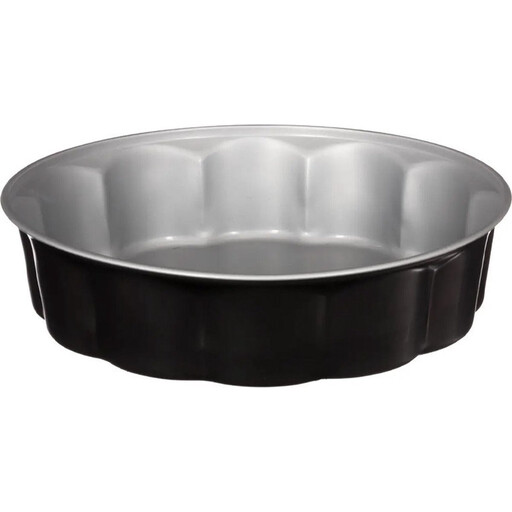
Why it's a great fit: This classic springform pan with a 26 cm diameter is the ideal starter piece. It's suitable for most standard recipes for cakes and cheesecakes, making it perfect for birthdays, family gatherings, or a Sunday coffee treat.
It avoids the pitfall of the wrong size, as it matches a common standard dimension. The metal material provides a solid foundation for even baking results without the risk of warping associated with very thin pans.
Versatile thanks to its standard 26 cm diameter. The non-stick coating makes for easy release and cleaning.
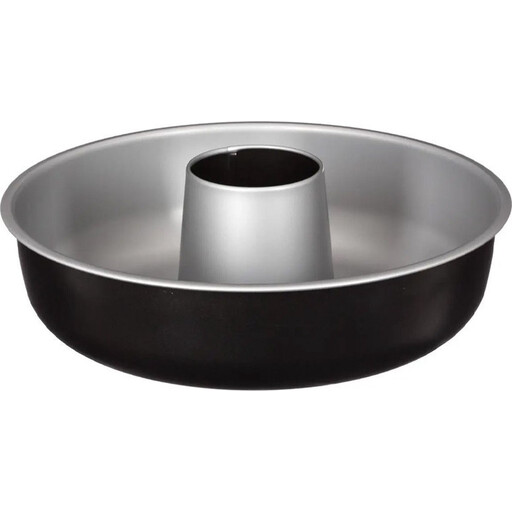
Why it's a great fit: For anyone who loves a classic marble or Bundt-style cake, a ring cake pan is essential. The chimney in the center ensures that even dense batters cook through evenly and don't stay doughy in the middle.
This specialty pan prevents unevenly baked cakes. Its sturdy metal construction provides the necessary stability and good heat conduction for an appetizing crust.
The classic ring shape ensures an even bake. Thanks to the non-stick coating, the cake is easy to invert after cooling.
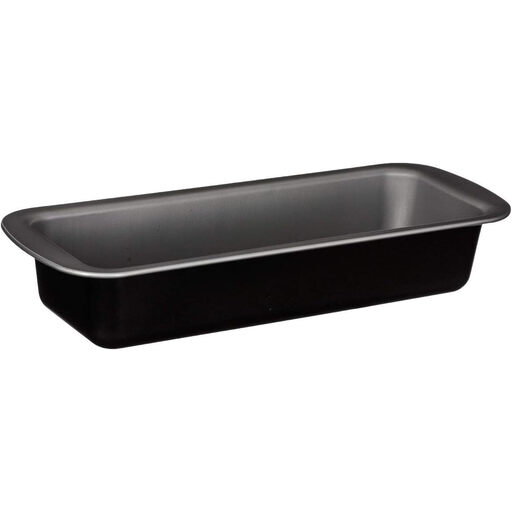
Why it's a great fit: Whether for a moist banana bread, a lemon loaf, or a homemade whole wheat bread, this loaf pan is a versatile tool. At 30 cm long, it offers enough space for recipes designed to feed the whole family.
This pan addresses the problem of inadequate size. Its 1.65-litre capacity is designed for many standard recipes for breads and large loaf cakes. The sturdy metal resists warping.
Its generous 30 cm length makes it a practical bread pan. The simple design is functional and built for durability.
We have compiled a complete, up-to-date list of products that fully meet these strict selection criteria and safety regulations.
To maximize the coating's lifespan, you should always wash the pan by hand with warm water, mild dish soap, and a soft cloth. Avoid metal utensils, knives, or abrasive sponges. Let the pan cool completely before cleaning.
Warping usually occurs with thin, low-quality materials exposed to rapid temperature changes. A thicker material gauge, especially in steel pans, provides more stability and prevents the pan from deforming under heat.
Theoretically, yes, but the results will vary greatly. A loaf pan is ideal because its high, straight sides give the dough support as it rises and create a classic loaf shape. In a springform pan, the dough would spread out sideways, resulting in a flat, unevenly baked bread.