
Lieferung heute & morgen

Qualitätsgarantie

Willkommens-Angebote freischalten: KOSTENLOSE Lieferung | Bis zu 80 % RABATT | Kostenlose 30-Tage-JoyPlus-Testphase
App herunterladen
A high-quality baking pan is the foundation for every perfect bake. But the market can be overwhelming, and grandiose marketing claims often lead to disappointment: the cake sticks, the pan warps, or the springform clasp leaks. As your Joybuy Product Recommendation Officer, I'll help you identify the crucial quality features and make an informed decision that suits your baking habits.
Before we dive into the solutions, it's important to understand the typical problems that can lead to a bad purchase. Pay close attention to these three points:
To avoid these pitfalls, you should base your choice on objective criteria. The following three aspects are crucial for the durability and functionality of your new baking pan.
The material affects the pan's heat conduction, stability, and maintenance.
Choosing the right type of pan is essential for your recipe's success.
A high-quality non-stick coating is a key quality feature. Look for the PFOA-free, lead-free, and cadmium-free label. These standards indicate that the manufacturer uses modern, health-conscious materials. A good coating not only makes baking easier but also simplifies hand washing, which is often recommended to maximize the coating's lifespan.
Here are some recommendations tailored to different needs and use cases.
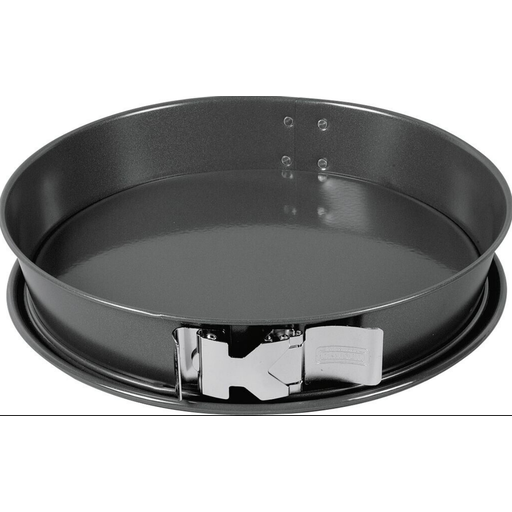
Why it's a great fit: Ideal for bakers who value precision and durability. The conical shape and large diameter are perfect for multi-layered cakes and sophisticated creations that depend on a reliable mechanism.
The SafeClick clasp is known for its tight seal and easy handling, preventing batter from leaking. The robust material quality prevents warping from heat.
Reliable clasp mechanism; cut-resistant, leak-proof base; heat-resistant up to 250°C.
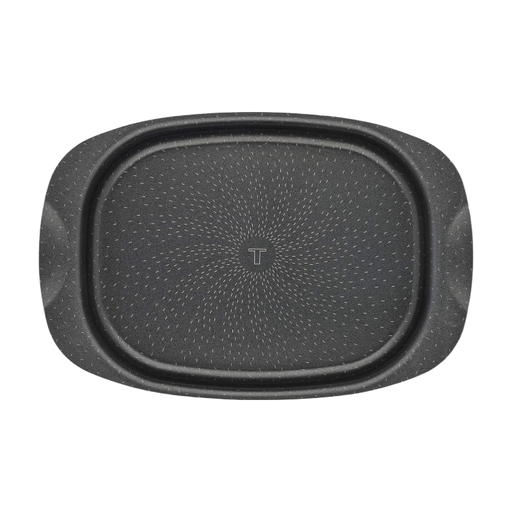
Why it's a great fit: This versatile baking dish is perfect for everyday family use. It's suitable for lasagnas and gratins as well as large sheet cakes. The included lid is practical for transport or storage.
Made from 100% recycled aluminium, which the manufacturer claims is up to twice as durable as classic aluminium and does not warp. The PFOA-free non-stick coating makes cleaning easier.
Large capacity (4.75 litres); even heat distribution; includes a matching lid.
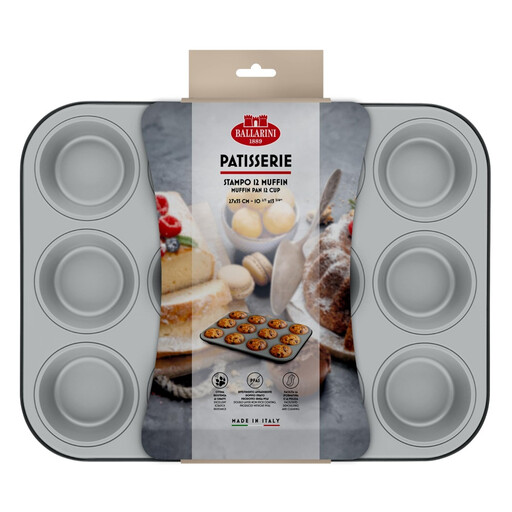
Why it's a great fit: For anyone who loves baking muffins or cupcakes, a dedicated muffin tin is essential. This carbon steel model ensures even heat distribution in each of the 12 cups.
According to the manufacturer, the dual-layer non-stick coating is PFAS-free and ensures easy release and simple cleaning. The sturdy carbon steel construction prevents the pan from warping.
Even baking results for 12 muffins; PFAS-free non-stick coating; heat-resistant up to 230°C.
We have curated a current selection of products that meet our criteria for material quality, functionality, and safe handling.
1. How do I properly care for a non-stick baking pan to extend its lifespan? To preserve the non-stick properties, we recommend washing by hand with warm water, mild dish soap, and a soft sponge. Avoid abrasive scouring pads or harsh cleaners. Dry the pan thoroughly after cleaning. Even if some pans are labelled as dishwasher-safe, hand washing can significantly extend the coating's lifespan.
2. Can I use metal utensils in my baking pan? As a general rule, you should not use knives or other sharp metal objects in a non-stick pan, as this can scratch and damage the surface. An exception is pans with a specially hardened, enamelled, or cut-resistant base, as found in some high-quality springform pans. Always check the manufacturer's instructions for this.
3. What does PFOA-free mean, and why is it important for a cake pan? PFOA (Perfluorooctanoic acid) is a chemical formerly used in the production of non-stick coatings like Teflon. Due to health and environmental concerns, it is no longer used by most reputable manufacturers. A cake pan labelled as 'PFOA-free' meets modern manufacturing and safety standards.