
Lieferung heute & morgen

Qualitätsgarantie

Willkommens-Angebote freischalten: KOSTENLOSE Lieferung | Bis zu 80 % RABATT | Kostenlose 30-Tage-JoyPlus-Testphase
App herunterladen
The right baking pan is the foundation for any successful bake. However, the market is crowded, and not every product lives up to its promise. A peeling coating, a warping base, or cumbersome cleaning can quickly dampen the joy of baking. This guide will help you identify the crucial features and make an informed decision that suits your baking habits.
Before investing in new bakeware, it's wise to know the typical weak points that often only become apparent after a few uses.
To avoid a bad purchase, you should focus on three objective criteria: the material, the pan type, and the build quality.
The material directly impacts a pan's baking performance and longevity.
The shape determines the appearance and type of the baked good. The most fundamental types are:
Look for smoothly finished edges and a sturdy locking mechanism on a springform pan. The manufacturer's care instructions are also crucial. Many non-stick pans are not dishwasher-safe, as harsh detergents can damage the coating. Hand washing with a soft sponge ensures a long lifespan.
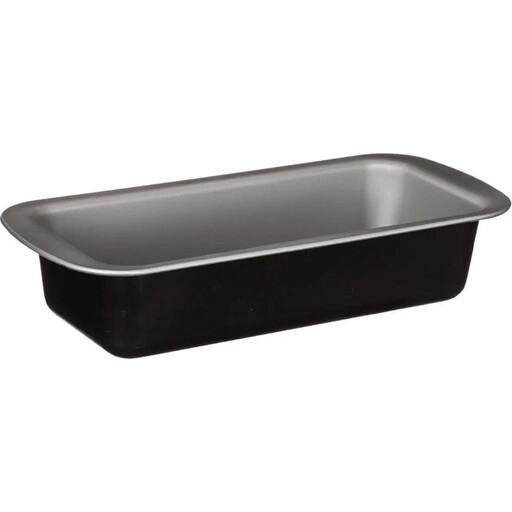
Why This Fits Their Persona: Ideal for anyone looking for a reliable and straightforward basic setup. This loaf pan is perfect for baking your first loaves of bread or a simple pound cake without requiring a large budget.
The sturdy metal is warp-resistant and won't deform even at higher temperatures, avoiding a common problem found in very cheap pans.
Classic loaf pan with a 1.3-litre capacity. Easy to handle and suitable for a wide variety of recipes.
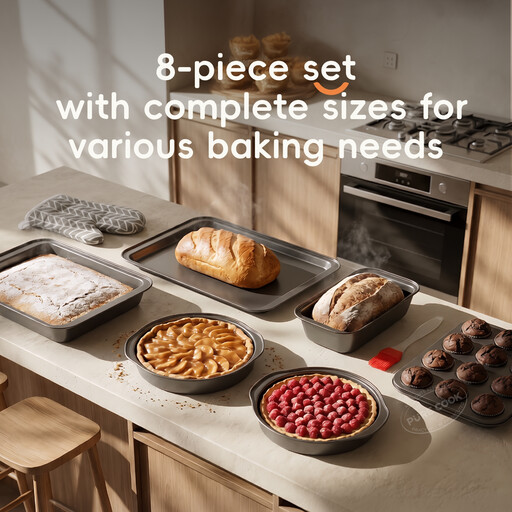
Why This Fits Their Persona: Those who bake often and with passion need flexibility. This carbon steel set offers various pans and sheets for brownies, muffins, sheet cakes, and more. Ideal for baking enthusiasts or families who enjoy baking together.
Instead of buying many individual pieces of varying quality, this set provides consistent material and coating quality across the board. The non-stick coating makes releasing bakes and cleaning easy for all items.
8-Piece Bakeware Set made of carbon steel for excellent heat conduction. Includes various square pans, sheets, and a muffin tin.
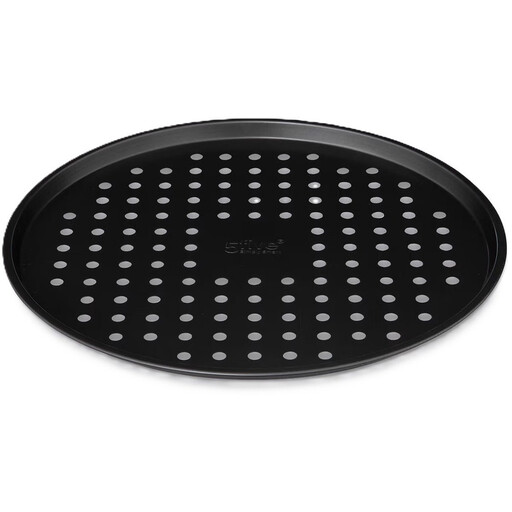
Why This Fits Their Persona: For lovers of homemade pizza with a crispy crust, a perforated tray is the right choice. This model is specifically designed to let moisture escape, achieving a result worthy of a stone oven.
Unlike a standard baking sheet where the pizza base often remains soft, the perforations specifically provide the necessary air circulation and prevent a "soggy" dough.
Perforated Pizza Pan made of steel with a 33 cm diameter. The ILAG non-stick coating makes it easy to release the finished pizza.
We have compiled a complete, up-to-date list of products that fully meet these strict selection criteria and comply with current EU regulations.
1. How do you properly clean a non-stick baking pan? It's best to clean a non-stick pan by hand with warm water, mild dish soap, and a soft sponge or cloth. Avoid steel wool, abrasive scouring pads, and harsh detergents, as these can damage the coating. Dry the pan thoroughly after cleaning.
2. Can a steel baking pan be cleaned in the dishwasher? Although steel itself is durable, hand washing is almost always recommended for coated pans. The high temperatures and aggressive salts in a dishwasher can significantly shorten the life of the non-stick layer. Always check the specific manufacturer's instructions for your product.
3. Which material conducts heat best for an evenly browned cake? Materials like carbon steel and aluminium are known for their excellent and even heat conduction. They help ensure the batter receives heat uniformly from all sides, resulting in a consistent browning without burnt edges or a raw centre. Dark-coloured pans tend to absorb more heat and can lead to faster browning.