
Lieferung heute & morgen

Qualitätsgarantie

Willkommens-Angebote freischalten: KOSTENLOSE Lieferung | Bis zu 80 % RABATT | Kostenlose 30-Tage-JoyPlus-Testphase
App herunterladen
The right baking pan is the foundation for every successful cake and every crusty loaf of bread. But the market is confusing, and many products don't live up to the promises on their packaging. As your Joybuy Product Recommendation Officer, I'll help you identify the crucial features and avoid marketing traps, ensuring your next investment in a baking pan is a durable and worthwhile one.
Before you add a new cake pan or loaf pan to your cart, you should be aware of three common problems that often only become apparent after a few uses.
To avoid these problems, you should pay attention to a few objective criteria when buying a baking pan. These define a product's quality and longevity far better than any advertising slogan.
The material is decisive for the baking result. Each material has specific properties:
The shape determines the function. A basic set covers most needs:
Here are some recommendations tailored to specific user profiles and the quality criteria mentioned above.
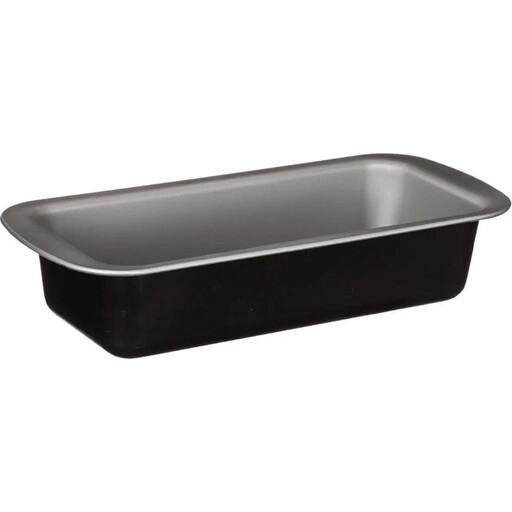
Why This Fits Their Persona: Ideal for anyone starting their first baking adventures with simple cakes or breads. This pan offers solid basic functionality without a high initial investment and is perfect for occasional baking.
It avoids the trap of overpaying for superfluous features. The sturdy metal construction is more warp-resistant than many competing products in the same price range. The care instructions (hand wash) are clear to maximise the coating's lifespan.
Solid metal construction for good heat distribution. Classic 25 cm size, suitable for most standard recipes.

Why This Fits Their Persona: For those who bake regularly and value reliable, long-lasting equipment. Ideal for multi-layered cakes and delicate cheesecakes where a leak-proof base is crucial.
Directly counters the "warping" and "short-lived coating" traps. The heavy-gauge steel construction ensures stability, while the KAIRAMIC non-stick coating and cut-proof enamel base stand for durability. The SafeClick latch is designed for a tight seal and easy handling.
Leak-proof latch and a cut-proof, enamelled base. Excellent heat conduction for even baking results. Made in Germany according to the manufacturer.

Why This Fits Their Persona: Specifically for bakers who regularly make bread, especially sourdough. The acidity of sourdough places high demands on the material, which this pan is built to handle.
Specifically addresses the trap of damaged coatings from acidity. The enamelled base is, according to the manufacturer, explicitly sourdough-resistant and cut-proof. The thick steel material prevents the pan from warping, which is crucial for an even crumb and crust when baking bread.
Acid-resistant and cut-proof enamel base. High dimensional stability and excellent heat conduction for professional bread results.
The classic loaf pan is an excellent choice, especially for breads. We have compiled a current selection of products that meet our criteria for material quality and durability.
1. How do I properly care for a non-stick baking pan to extend its life? The longevity of a non-stick coating heavily depends on its care. As a rule, avoid cleaning it in the dishwasher, even if the manufacturer permits it—the aggressive salts attack the coating. Clean the pan by hand with warm water, mild dish soap, and a soft sponge. Never use metallic or sharp-edged objects (knives, forks, steel wool) in the pan.
2. Are silicone baking pans a good alternative to metal pans?Silicone baking pans have clear advantages: baked goods release extremely easily, they are unbreakable, and they can be stored to save space. Their disadvantage lies in their lower stability (liquid batter can cause the pan to bulge) and poorer heat conduction, which leads to a paler and less crispy crust. They are often a good choice for cakes, but for bread, many bakers prefer metal. A compromise is hybrid pans like the 5five Silitop Silicone Loaf Pan, which have a stabilising steel frame.
3. How can I identify a high-quality loaf pan for bread? You can recognise a good loaf pan by several features. It should have a noticeable weight, which indicates high material thickness and good dimensional stability. The corners should be cleanly finished and easy to clean. For sourdough breads, an enamel base or a high-quality ceramic coating declared as acid-resistant is a sensible feature to protect the pan from corrosion.