
Lieferung heute & morgen

Qualitätsgarantie

Willkommens-Angebote freischalten: KOSTENLOSE Lieferung | Bis zu 80 % RABATT | Kostenlose 30-Tage-JoyPlus-Testphase
App herunterladen
A failed cake is frustrating—but often, the problem isn't the recipe, it's the wrong baking pan. A pan that warps in the oven, a coating that wears off after just a few uses, or a cake that refuses to release can quickly ruin the joy of baking. Before you buy a new cake pan, it's helpful to know the common pitfalls that often only become apparent after your purchase.
This guide will show you what to look for to find a durable and functional baking pan that suits your baking projects.
Many baking pans look promising on the shelf but reveal their flaws only with use. Pay attention to these three critical points to make an informed decision:
To avoid these pitfalls, you should focus on the objective characteristics of a baking pan. The material, construction, and pan type are crucial for your baking results and the pan's longevity.
The material largely determines the pan's heat conduction and stability.
The shape should match your primary baking projects.
A good non-stick surface should be robust and durable. Pay attention to the maximum heat resistance specified by the manufacturer—higher values (e.g., up to 230°C or 250°C) often indicate a more resilient coating. To maximize its lifespan, always avoid using metal utensils in the pan and opt for hand washing with a soft sponge, even if some parts are declared dishwasher-safe.
Here are some recommendations tailored to different needs and baking habits.
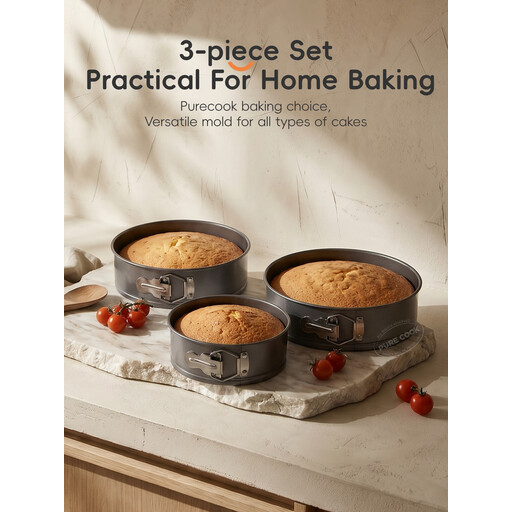
Why This Fits Their Persona: This set is ideal for anyone starting out with baking or looking to expand their basic equipment. With three different sizes (18, 20, and 24 cm), it offers the flexibility for small and large cakes without needing to buy multiple individual pans.
The adjustable metal latch ensures a tight seal, minimizing the risk of batter leakage—a common problem with cheaper springform pans.
The set of three sizes covers most common recipes. The quick-release latch allows for easy demolding without tools, preserving the cake's structure.
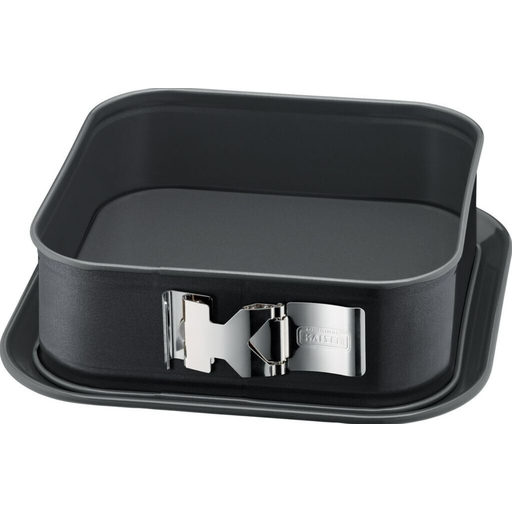
Why This Fits Their Persona: For bakers who value durability and precise results. Made in Germany, its robust steel construction is designed for long-term use. The square shape is excellent for brownies, sheet cakes, or multi-layered tortes.
The high-quality steel construction is warp-resistant and heat-proof up to 250°C, which prevents warping. The durable non-stick coating ensures effortless release of baked goods and easy cleaning.
The square shape maximizes oven space and ensures even baking. The robust craftsmanship and high-performance coating stand for reliability and lasting baking enjoyment.
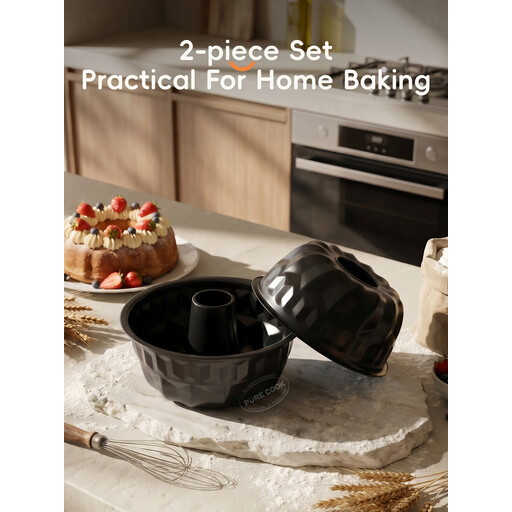
Why This Fits Their Persona: Perfect for hobby bakers who want to create a visually appealing cake for seasonal occasions like Halloween or autumn festivals without elaborate decorating. The pan does the shaping for you.
The non-stick coating is designed for batters with high sugar and fat content and can withstand temperatures up to 230°C. This prevents sticking in the detailed crevices of the mold.
Creates a decorative pumpkin shape directly during baking. The even heat distribution of the carbon steel ensures that even this complex shape bakes through without burning at the edges.
We've compiled a complete, up-to-date list of products that fully meet these strict selection criteria and German safety regulations.
To extend the life of the coating, the pan should be cleaned by hand with warm water, mild dish soap, and a soft sponge after it has cooled down. Avoid abrasive scouring pads or harsh cleaning agents. Stubborn residues can be loosened by soaking the pan briefly.
A regular cake pan (e.g., a loaf pan or a simple round pan) is made from a single piece. The cake must be inverted to be removed from the pan after baking. A springform pan has a removable ring that is opened with a latch. This allows the cake to remain on the base of the pan and does not need to be inverted, which is ideal for delicate baked goods like tortes and cheesecakes.
Essentially, yes, but there are minor differences. A silicone mold must be placed on a stable baking sheet before filling due to its flexibility. The baking time may change slightly, as silicone conducts heat differently than metal. Cakes in silicone molds tend to brown less on the edges. The major advantage is the easy release of the cake, often without any greasing.